Health & Fitness
Rabies Concerns Rise as Warmer Temperatures Arrive
Spring is also the time of year when people may come into contact with bats or baby wild animals, Putnam health officials warn.


BREWSTER, NY— With warmer temperatures and more hours of daylight, people are spending more time outdoors and the potential for contact with wildlife increases, Putnam health officials say.
Raccoons, skunks, foxes and bats, as well as feral cats, can carry the rabies virus, which is found in the saliva and nervous tissue of an infected animal. Transmission can occur through an animal bite, or if saliva comes in contact with an open wound, or a person's eyes, nose or mouth.
“While wildlife and feral cats may account for a significant number of required rabies treatments, the number-one reason for treatments in Putnam County remains bats,” states Michael Nesheiwat, M.D., Interim Commissioner of Health.
Find out what's happening in Southeast-Brewsterfor free with the latest updates from Patch.
As the weather warms, bats return to the local area and are more active and likely to get into homes.
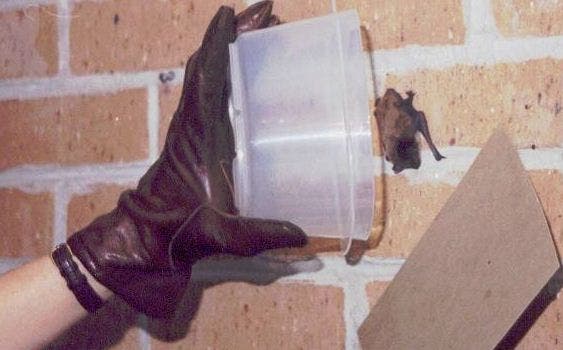
“A bat found in the home should be captured since testing it for rabies is the only way to avoid unnecessary treatment, a two week series of shots. Since 2014, over 200 bats have been brought to the Putnam County Department of Health for testing, a sign that the capture-the-bat message is getting out,” added Dr. Nesheiwat.
Find out what's happening in Southeast-Brewsterfor free with the latest updates from Patch.
To safely capture a bat, watch the popular demo from the New York State Department of Health, available on the Putnam County website.
Spring is also the time of year when individuals may come into contact with baby wild animals, believing them to have been abandoned by their mother. Abandonment by the mother is unlikely, and baby animals, while often adorable, may have been exposed to the rabies virus and can pass it through a simple scratch or small bite. Every year well intentioned residents “rescue” wild babies, later becoming concerned about rabies exposure. The babies must be euthanized to determine if rabies exposure occurred. However, wildlife rehabilitators can be called to determine if the babies need to be “rescued.”
To educate children about the risk of rabies, health officials say you should teach them to:
- Avoid wild animals, including new litters of baby animals in spring. (Everyone should resist the urge to touch or pet a wild animal or unfamiliar pet.)
- Tell an adult about any contact with a wild animal or unfamiliar pet.
- Never touch a bat. If a bat is found indoors, call the Health Department immediately.
All animal bites and/or contact with wild animals should be reported promptly to the Department of Health at 845-808-1390. After hours or on weekends/holidays report the incident by calling the Environmental Health Hotline at 845-808-1390 and press “3.” A Health Department representative will promptly return your call. The Health Department will test a wild animal for possible rabies after an incident involving human or pet contact. If a family pet encounters a wild animal, avoid immediate handling of your pet, or use rubber gloves and call the Health Department.
The Feral Cat Task Force, initiated by the Putnam County Department of Health, works to reduce the risk of rabies exposure by decreasing the population of feral cats in our community. Since its inception in 2012, this program has captured, neutered, vaccinated and returned 485 cats and adopted or fostered 88 of them in Putnam County. If you are interested in volunteering or making a donation in support of this program, please contact the Health Department at 845-808-1390 ext. 43160.
Get more local news delivered straight to your inbox. Sign up for free Patch newsletters and alerts.