Politics & Government
Freezing Brooklyn Jail Wasn't Caused By Power Outage, DOJ Finds
Heat issues blamed on a fire were actually common at the Sunset Park jail, where temperatures ranged from 58 to 80 degrees, officials found.


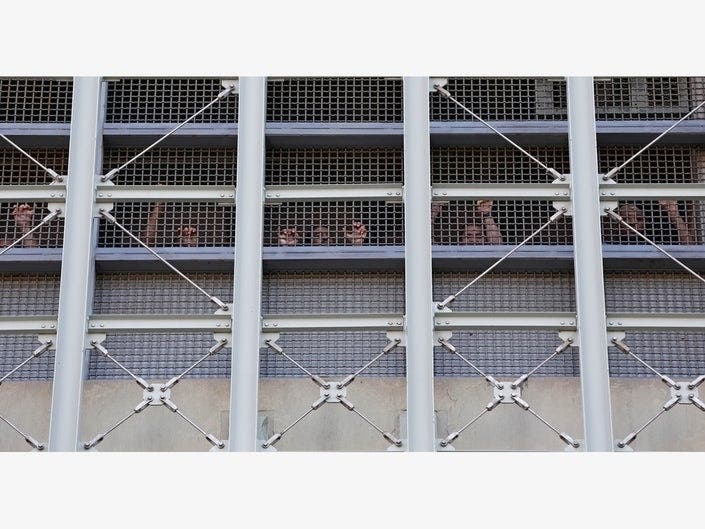
SUNSET PARK, BROOKLYN — A Brooklyn jail power outage that sparked national protests for inmates left freezing in their cells actually wasn't the cause of the heat problems, which officials had known about but not fixed before and after the outcry, a new investigation found.
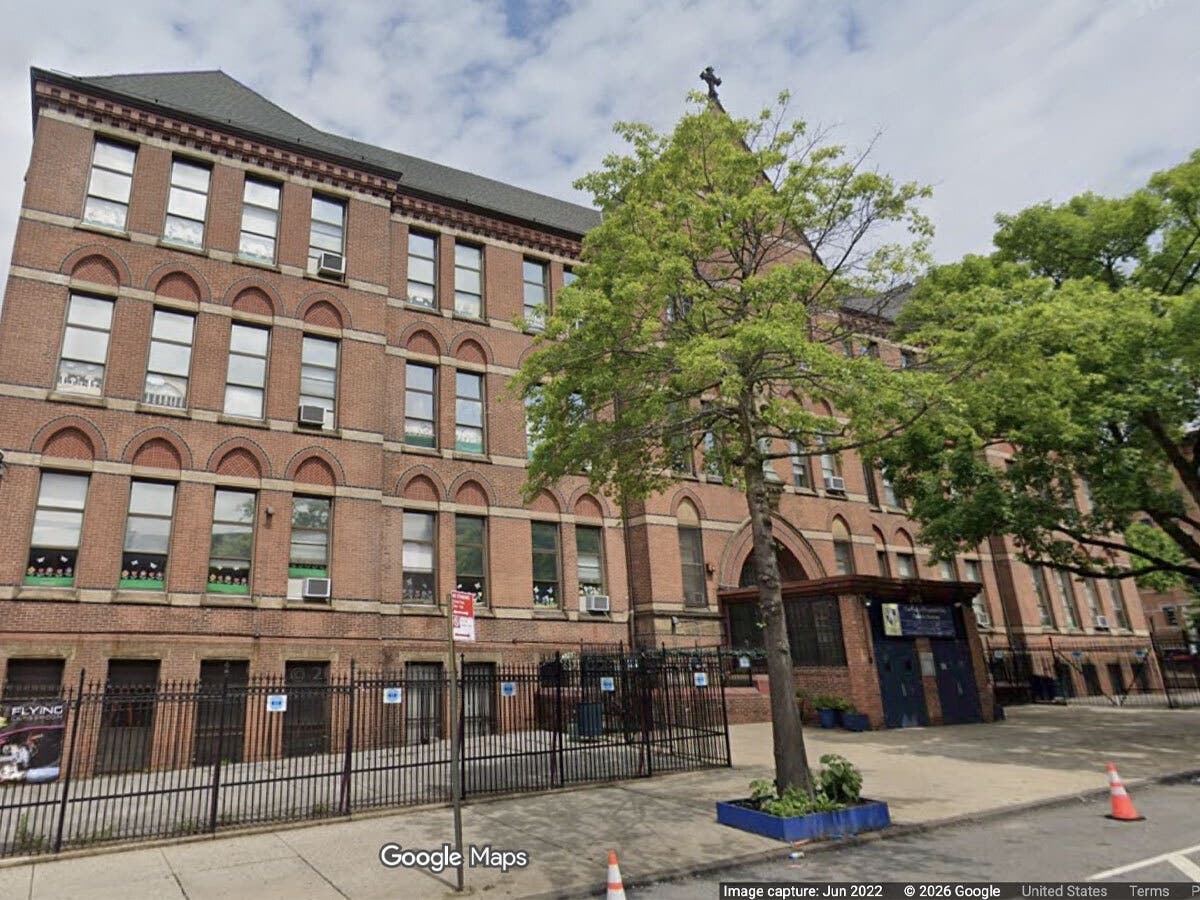
Heat issues at the Metropolitan Detention Center had been a longstanding problem well before the January 2018 fire that caused a partial power outage at the jail and brought hundreds of people to protest outside the building in Sunset Park, the U.S. Department of Justice's Inspector General announced Thursday.
The heat problems were actually because of a lack of equipment to monitor temperatures in the jail, which reached as low as 59 degrees a week before the power outage and often went above 80 degrees even in the winter months, the report found.
Find out what's happening in Sunset Parkfor free with the latest updates from Patch.
"Heating issues have been a longstanding problem at the jail that existed before, during and after the power outage," Inspector General Michael E. Horowitz said in his announcement. "They were the result of the facility's lack of proper equipment to continuously monitor temperatures with the [Bureau of Prisons] was aware of and had not addressed."
Investigators found that several common areas and cells had temperatures above 80 degrees throughout February and that inmates made three times as many complaints about hot temperatures than cold temperatures during the winter, Horowitz said.
Find out what's happening in Sunset Parkfor free with the latest updates from Patch.
The investigation also found that prison officials mishandled the power outage.
As half a dozen judges and advocates suspected in the days after the outage, inmates were left trapped inside without access to their lawyers or information about why they couldn't visit with family members, the report found.
"This is particularly problematic in view of the facility's population of pre-trial detainees, some of whom may have required daily access to counsel to prepare for trial," Horowitz said.
Prison officials also didn't communicate with the legal counsel, relatives and the public and mismanaged two medical issues that happened during the outage, the report said.
In the days after the power outage, elected officials, the media and lawyers were continually told that the heating issues had been resolved despite what inmates were telling their families or advocates from inside.
“The new report from the Department of Justice’s Office of the Inspector General paints a troubling picture of systemic problems at the facility that differs significantly from explanations we received at the time," Brooklyn Borough President Eric Adams said Friday. "The lack of communication and transparency from the Federal Bureau of Prisons only compounds the issue."
Adams said he hopes the Bureau of Prisons will take the recommendations the Inspector General outlined in the report, which include upgrading the heating equipment, giving out cold-weather clothing and come up with a plan so inmates can still visit with counsel even after "disruptive event."
Get more local news delivered straight to your inbox. Sign up for free Patch newsletters and alerts.