Business & Tech
In Bid for Hotel Tax, Town and Village Officials Looking to Appease Industry
Officials from the town of Greenburgh and its six constituent villages are looking to pass a tax on hotel rooms. To placate the hotel industry, the town has offered to use some of the revenue to boost tourism.
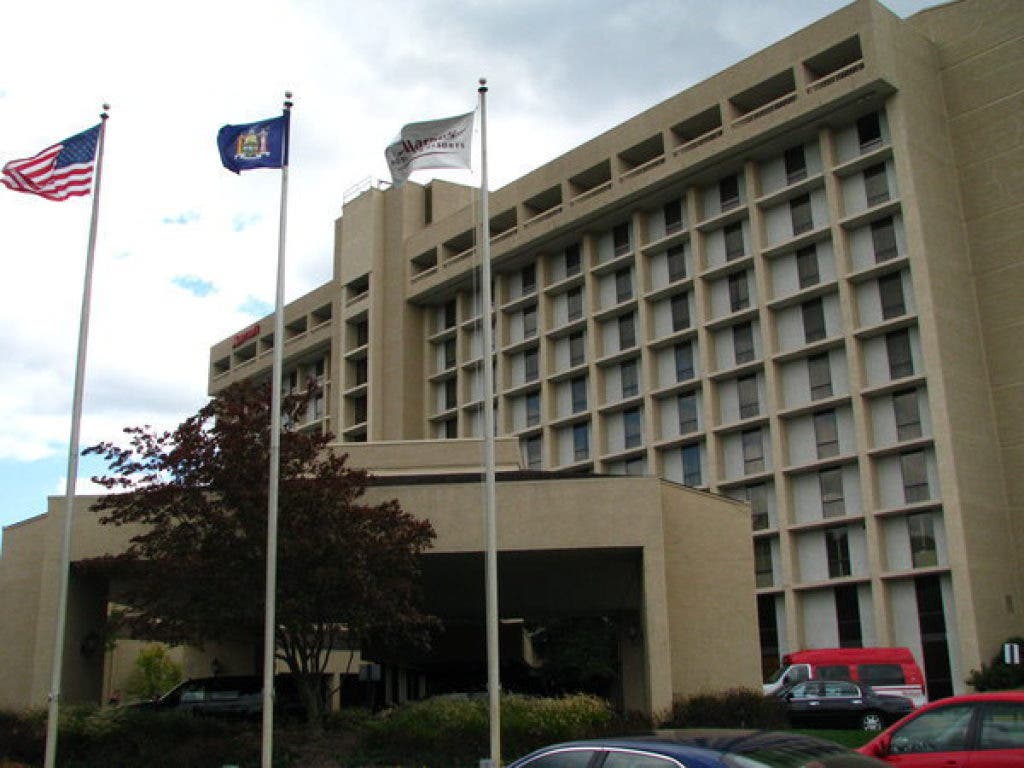
Officials from the town of Greenburgh and local hotels have reached a tentative agreement on imposing a tax on hotel rooms.
Under the deal, the town would charge a 2-percent occupancy tax and use one-quarter of the proceeds to promote tourism in the area. That could include listing local hotels on the town's website, putting up signs and other measures.
The town had originally lobbied for a three-percent tax, which was introduced in the state legislature earlier this year. But that proposal sparked an outcry, as hotel officials claimed that it would chase customers -- particularly large parties -- into neighboring areas.
Find out what's happening in Tarrytown-Sleepy Hollowfor free with the latest updates from Patch.
"I'd rather have something than nothing," Greenburgh Town Supervisor Paul Feiner said.
The tax would be a political win for local officials, as it allows them to plug budget shortfalls without raising property taxes or fees paid by town residents. Feiner said the tax could generate a one-percent decrease in the town's property tax levy.
Find out what's happening in Tarrytown-Sleepy Hollowfor free with the latest updates from Patch.
Dan Conte, the manager of the Westchester Marriott on Route 119 and the president of the Westchester Hotel Association, had previously said the tax would chase customers away and put a damper on the industry's comeback from the recession.
"The last two years have been very challenging for all of us due to recession-related cutbacks in business travel and corporate meetings," he said. "We’re finally seeing some signs of a comeback, but it is still far from robust."
The hotel tax is already in place in Rye, White Plains, Peekskill and New Rochelle, and Feiner said allowing the tax in Greenburgh would simply be fair. Further, he said, the fact that other local municipalities already levy the tax counters the industry's argument that it would chase customers to neighboring areas.
At issue now is whether some or all of the town's six villages will support Feiner's deal with the hotels. Local representatives in the state legislature are unlikely to introduce a new proposal unless village officials agree to it, Feiner said.
Tarrytown Mayor Drew Fixell said that the villages are still seeking a tax of up to 3 percent, but they're open to the idea of diverting some of the revenue to boost tourism.
"The tax would help to directly align the muncipalities' interests with those of the hotels," Fixell said, adding there is currently no way for the villages "to get any financial return" from giving a boost to the local hotel industry.
The mayors of Greenburgh's five other villages did not respond to requests for comment.
A bill to impose a 3-percent hotel tax has already been introduced by Assemblyman Tom Abinanti (D-Greenburgh) and Sen. Andrea Stewart-Cousins (D-Yonkers). The Senate version would divert one-third of the revenue to local school districts, but Fixell and Feiner said they do not support that provision.