Politics & Government
Plan to Disband the Architectural Review Board Meets Mixed Reception
The controversial proposal will be debated over the next two weeks.

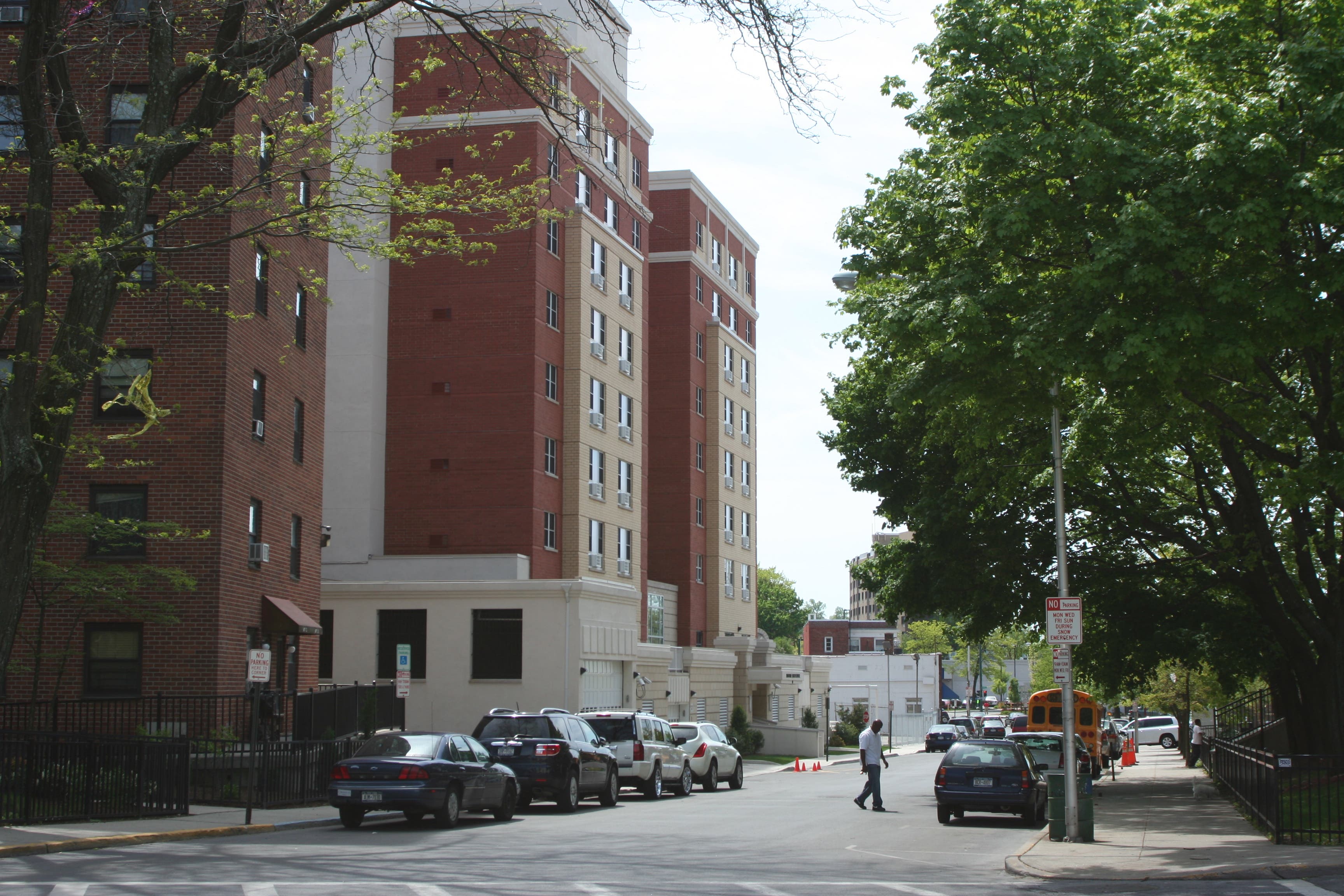
Is the village's Architectural Review Board important to preserving Sleepy Hollow's character, or does it meddle in property matters that should be private?
Sentiments on both sides have begun to emerge after the Sleepy Hollow Board of Trustees announced a motion to discontinue the ARB.
The Architectural Review Board was founded by the Board of Trustees with a 1997 code amendment. The ARB was given the purpose of preventing "excessive uniformity, dissimilarity, inappropriateness or poor quality of design or visual offensiveness in the exterior appearance of buildings or other structures reconstructed or altered" in Sleepy Hollow.
Find out what's happening in Tarrytown-Sleepy Hollowfor free with the latest updates from Patch.
There are five members, appointed by the mayor for a three year term, based on having a background in architecture or a similar building related profession.
"They're generally involved in aesthetics," said Town Administrator Anthony Giaccio. "Most projects come in front of the ARB if they have external impact, like signs and fences."
Find out what's happening in Tarrytown-Sleepy Hollowfor free with the latest updates from Patch.
The ARB is not required by state statute, and some residents believe that the group is superfluous.
"We have zoning codes and we have building codes," said Don Caetano, a 53-year Sleepy Hollow resident and former board member. "It's just another board of politically appointed people, making people waste time and money."
Trustees have been discussing discontinuing the board in committee meetings for some time, but only began raising the issue at board meetings and work session this month. On Tuesday, the first public hearing on disbanding the ARB was opened.
What will happen to the ARB's responsibilities has not been clearly determined, although there is speculation that some of its duties would wall fall on the village's Planning Board.
"I don't know what they're doing as far as the effect on the planning board," said Planning Board member Nicholas Cicchetti. "That would depend on the Board of Trustees and whether they want to revise the responsibilities into the planning board. I don't know what they have in mind."
Another planning board member, Gary Malunis added that he was waiting to find more information until drawing any conclusion.
"At this point, I don't have an opinion I just found out about it. I'd like to find out more," he said.
According to ARB Chairman David Pysh, ARBs are typically utilized in places with a distinct historical character. He believes that the board is about larger, longer term development issues.
"The idea that an ARB is dominantly about imposing aesthetic opinions is uninformed. When it is about this, I disagree with it as well," he explained. "My perspective is to deal with the quality of the planning and decisions, and if appropriate time and energy was spent thinking about the proposed project. I have no problems insisting that someone spend a few more hours thinking about how to build what will be there for decades. Usually, that benefits those whose project it is the most."
Pysh cited the example of new high-rise residences on Valley Street that are not built directly adjacent to the sidewalk because of the ARB's intervention, although most of the work the ARB deals with is on a smaller scale.
Currently, some feel that the ARB serves the purpose of enabling residents to be aware and have input into construction and work that will affect their neighborhood. Anyone looking to do work on the exterior of their home is required to inform their neighbors with a certified letter, making them aware that the plans are going before the ARB.
Resident Christine Garcia was present on Tuesday's hearing. She recently dealt with the ARB due to construction on her house. She feels it may be cumbersome, but serves a useful purpose.
"I think they might it's superfluous and that there are too many boards, but it serves a different purpose than the planning and zoning board," she said.
When she recently brought up changes before the ARB, they suggested she do things differently.
"I thought what they suggested was a good idea," she said. "They're all architects on the board, so they had good ideas."
Still, Caetano believes that the character and quality of Sleepy Hollow can be retained without the ARB.
"We have a building inspector who is an architect, who knows his job" he said. "He's not going to let something come across his table that's going to disturb people."
Trustees will discuss the issue at next Tuesday's 7 p.m. work session. They will hold another public hearing on the matter on Tuesday, May 11.