Politics & Government
Here's Where The Upper East Side Candidates Stand On Your Issues
Patch asked the Upper East Side City Council candidates to respond to the issues raised in our neighborhood survey. Here's where they stand.


UPPER EAST SIDE, NY — In February, four months before the June 22 City Council primary elections, Patch asked Upper East Siders to weigh in about which neighborhood issues mattered to them.
All told, 320 people filled out our survey, shedding light on what the neighborhood is looking for from the seven Democrats running to succeed Ben Kallos in District 5.
Among the takeaways: public safety, policing and crime emerged as a key issue, with 36 percent of respondents naming it as their most important topic. It was followed by urban quality of life (public transit, street safety, bike lanes, parks) at 24 percent and housing and homelessness at 9 percent.
Find out what's happening in Upper East Sidefor free with the latest updates from Patch.
Now, with less than three weeks remaining until the election, we asked all seven candidates — Billy Freeland, Rebecca Lamorte, Julie Menin, Kim Moscaritolo, Tricia Shimamura, Christopher Sosa and Marco Tamayo — to respond to those issues, plus others raised by survey respondents including the Blood Center rezoning, the Safe Haven shelter and new bike lanes.
Here's each question we asked, with excerpts of each candidates' response:
Find out what's happening in Upper East Sidefor free with the latest updates from Patch.
1. While police statistics show crime mostly dropping on the Upper East Side, many residents report feeling less safe in the neighborhood than they used to. Why do you think this is, and is adding more police the way to solve it?
Moscaritolo, Sosa and Freeland all tied residents' safety fears to the pandemic and the economic recession it wrought. All three said they did not believe adding more police would improve things — Moscaritolo said she supported more community policing, Sosa said the city should increase funding for social services, and Freeland called for improving police clearance rates and funding violence-prevention programs.
Lamorte also said she opposes adding more police and would focus instead on social services.
Shimamura said she shares the safety concerns as an Asian American woman whose family is Jewish, and called for addressing "broader systems of inequity and hatred." She did not say whether she supports adding police, but said NYPD should "adopt a community-centered approach to public safety" while still addressing violent crime.
Menin said she supports increasing police in the subway system, noting that citywide crimes including murders, shootings and hate crimes have risen, contrary to the Upper East Side trends. She added that criminal justice reform and public safety are not mutually exclusive.
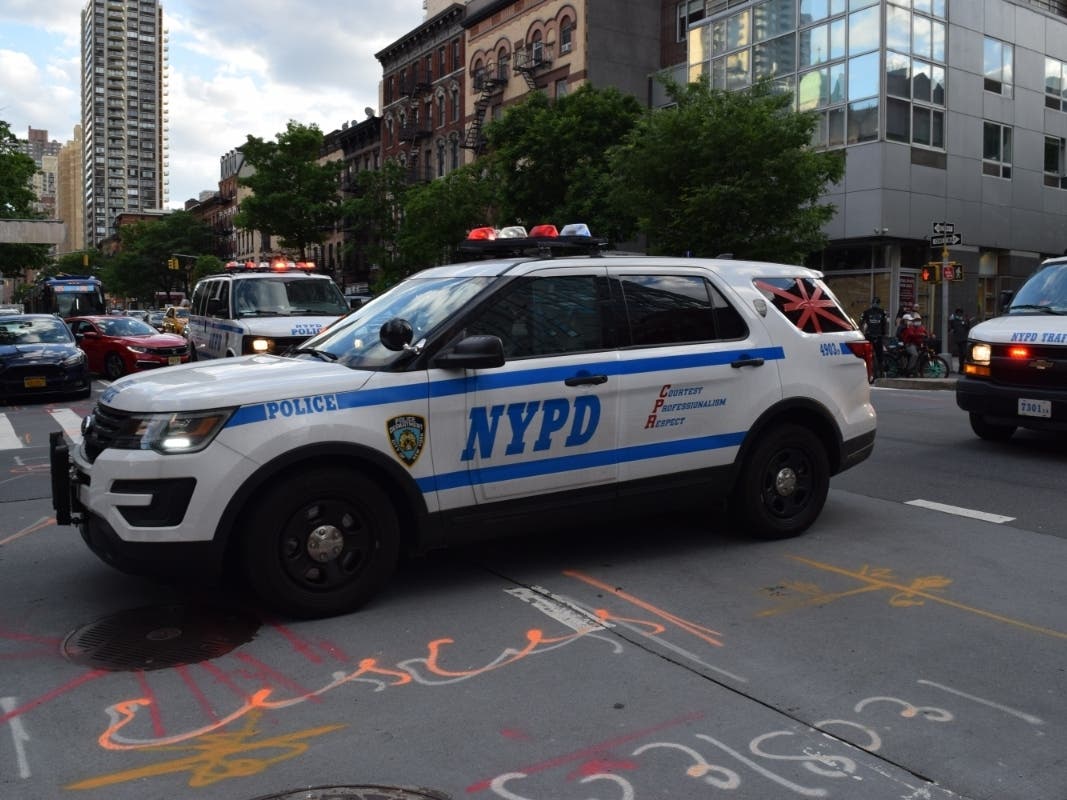
Tamayo blasted other candidates for "radical anti-police rhetoric" and for supporting the movement to defund the NYPD. He called for officer headcounts to be increased to reduce shootings and subway crimes.
2. Ben Kallos worked to bring a Safe Haven shelter to the district — would you have done the same, and would you do so again for another shelter, if elected?
Six candidates said they supported the Safe Haven, while Menin did not answer directly — though she has previously spoken positively about it.
Menin said the Upper East Side "must build supportive housing for the homeless," but "must also constantly engage the surrounding community in these decisions," adding that she would commit to "a collaborative community-centered process" when addressing homelessness in the future.
Moscaritolo noted that the Safe Haven is on her own block and committed to pushing for more supportive housing, as did Sosa and Freeland.
Lamorte also called for building more deeply affordable housing, while Shimamura suggested focusing on other root causes of homelessness by expanding mental health treatments and creating permanent housing and workforce development programs.
3. Do you support or oppose the New York Blood Center’s proposed tower and rezoning? If you oppose it, should it be scrapped entirely, or just revised?
All candidates said they opposed the current plan, which calls for rezoning the Blood Center's mid-block home on East 67th Street to build a 334-foot tower.
Lamorte and Shimamura both said they wanted the Blood Center to scrap the plan and made no mention of alternate proposals.
Others said they were open to revised, smaller proposals by the Blood Center. Moscaritolo called for more community input; Sosa, Menin and Freeland suggested they could support a plan that required no rezoning; and Tamayo explicitly called for the Blood Center to build its alternate plan: a 75-foot building that would not need zoning changes.
4. What single policy would you advocate for to make housing more affordable on the Upper East Side?
Sosa said he would work to expand the city's rent voucher program "to cover all residents in need," not just those who are homeless or at immediate risk.
Freeland wants to change zoning laws to require affordable housing in all new developments.
Tamayo wants to raise the housing vacancy rate to increase supply, which he would achieve by stopping demolitions and building more affordable housing in NYCHA developments.
Menin wants to reform the ULURP process for new developments.
Lamorte would push for a citywide and community-based housing plan with more stringent affordability standards — though she noted no single policy would solve the affordability crisis.
Moscaritolo advocates for building more affordable housing, passing Good Cause Eviction to stop exorbitant rent increases and expanding the right to counsel for tenants facing eviction.
Shimamura likewise said no one policy could solve things, but vowed to "dramatically increase" the district's rent-stabilized housing stock, expand the right to counsel, push for rent forgiveness at the state level and reform the Mandatory Inclusionary Housing program, among other changes.
5. Would you push to add more bike lanes in the district?
Lamorte, Moscaritolo, Sosa and Freeland all voiced unqualified support for expanding bike lanes. Lamorte and Mosaritolo said lanes would improve safety for everyone, not just cyclists; Freeland said they would help address climate change and equity; and Sosa said he would also support expanding CitiBike and e-bike infrastructure.
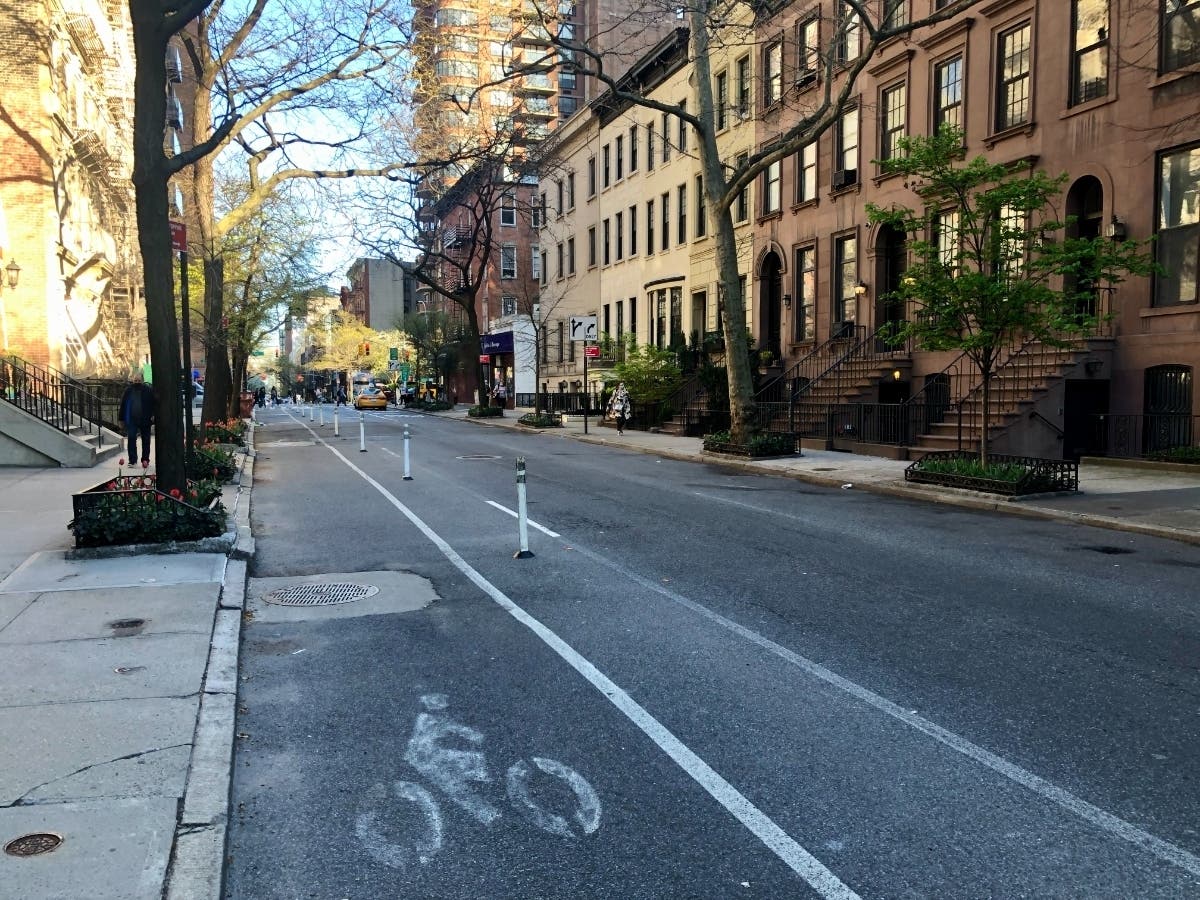
Others qualified their support. Menin called for building protected bike lanes but also increasing enforcement of bike and traffic laws, and Shimamura said the city should implement a community-driven model to design bike lanes, rather than a "top-down approach from the Department of Transportation."
Tamayo said bike lanes should only be built in areas with less traffic and where they do not "compete with the business development."
Where things stand
With less than four weeks to go until the June 22 primary, the District 5 race is among the city's most competitive.
Menin holds the overall fundraising lead, while Shimamura, Moscaritolo and Lamorte have received the highest numbers of total donations. Moscaritolo and Shimamura have the highest percentages of donors from within the district.
Menin on Friday announced several new neighborhood endorsements: Valerie Mason and Cameron Koffman, leaders of the East 72nd Street Neighborhood Association; Charles Coutinho, President of the Sutton Area Community; and the East River Fifties Alliance.
Lamorte and Freeland were both recently backed by Our Revolution and the New York Progressive Action Network, while Freeland was endorsed by StreetsPac. (Find fuller endorsement run-downs in our previous coverage.)
In the coming days, Patch will publish individual profiles of each candidate including their full answers to these five questions, plus others.
Previous coverage:
Get more local news delivered straight to your inbox. Sign up for free Patch newsletters and alerts.