Politics & Government
Pesticides Sprayed In UES Playground Are Banned By City
The city banned the pesticides this week after a study found they had been used at dozens of parks, including one on the Upper East Side.


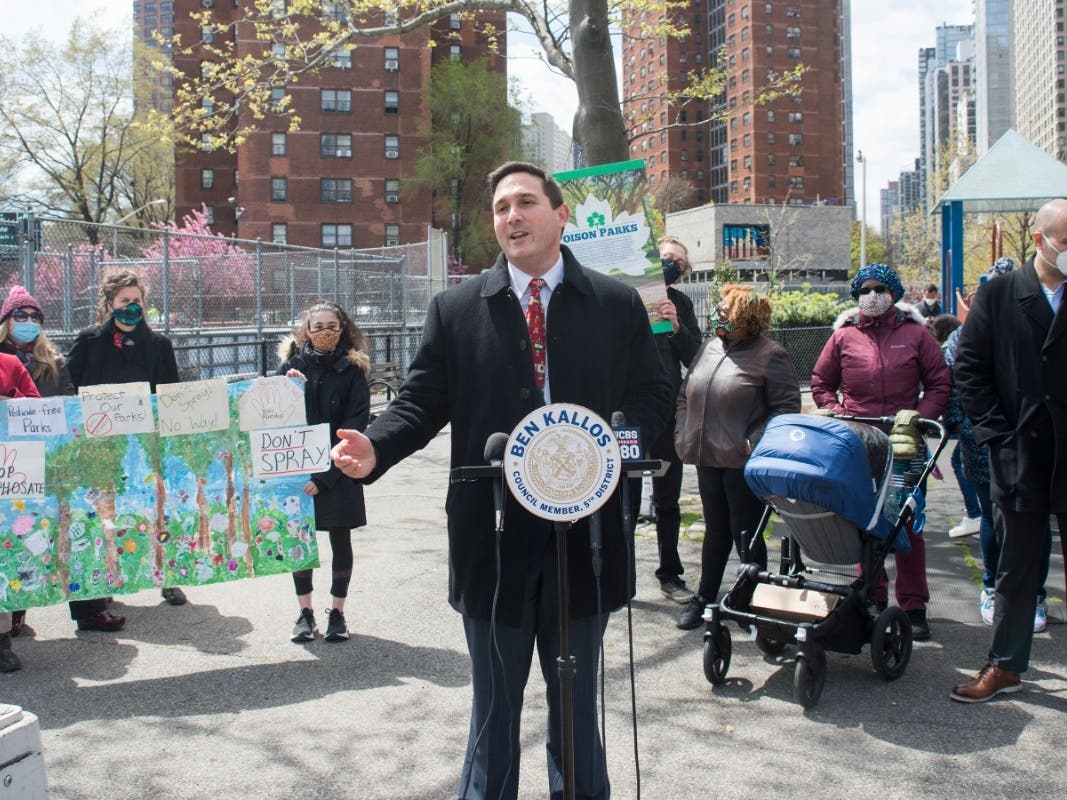

UPPER EAST SIDE, NY — City leaders this week hailed the passage of a new law restricting the use of certain pesticides in city parks, celebrating in an Upper East Side playground where one such chemical had previously been sprayed.
The new law, which passed the City Council on Thursday, prohibits the city from spraying non-biological pesticides in playgrounds and parks.
The banned chemicals include glyphosates, which were found to be possible carcinogens by World Health Organization researchers. (Other studies have not found such a link.)
Find out what's happening in Upper East Sidefor free with the latest updates from Patch.
For years, advocates called on the city to halt the use of such pesticides, especially after reports found that they had been sprayed disproportionately in neighborhoods of color. A map of glyphosate use in the city through 2015, compiled by advocates through a Freedom of Information Law request, found hundreds of documented uses — including at the Stanley Isaacs Playground.
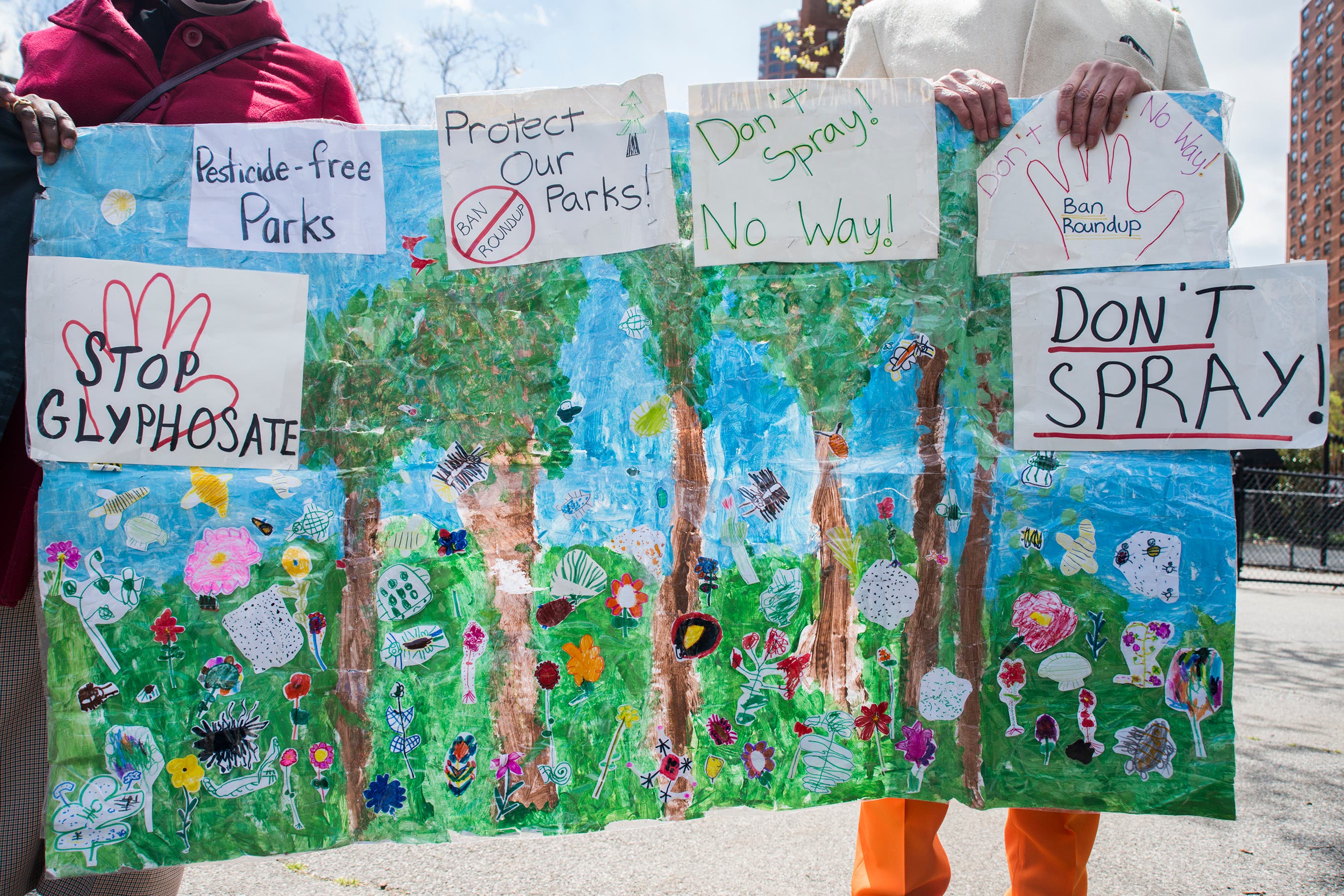
The city has disputed some of the past reports, saying it has greatly decreased its use of glyphosates since 2014.
Find out what's happening in Upper East Sidefor free with the latest updates from Patch.
The Isaacs playground, which serves the Isaacs Houses on First Avenue near East 96th Street, was the site of Thursday's news conference — convened by City Councilmember Ben Kallos, who sponsored the pesticide ban.
"Every New York City family should be able to enjoy our city parks without having to worry that they are being exposed to hazardous pesticides that have been linked to cancer," Kallos said in a statement. "We have worked on passing this bill for years, working to get it right and we finally have."
Kallos was joined at the playground by City Council Speaker Corey Johnson; Paula Rogovin, a retired teacher at P.S. 290 who first urged Kallos to pursue the legislation; and representatives from the Black Institute and Beyond Pesticides, which both pushed for the ban.
Previous coverage:
- Use Of Toxic Pesticide In Harlem Is Environmental Racism: Study
- UES Councilman Proposes Pesticide Ban In City Parks
Get more local news delivered straight to your inbox. Sign up for free Patch newsletters and alerts.