Traffic & Transit
UES Board Rejects ‘Low-Traffic Neighborhoods’ Study
The resolution was voted down 26-15 with two members abstaining.


UPPER EAST SIDE, NY — A proposal to study whether a "low traffic" neighborhood redesign could work on the Upper East Side was shot down by the local community board this week, effectively halting the idea before it could move forward.
The resolution, which asked the New York City Department of Transportation to explore ways to reduce cut-through traffic on residential streets, was voted down 26-15, with two members abstaining on Wednesday night.
Low-traffic neighborhood redesigns are meant to limit through traffic on select blocks while still allowing local access for residents, deliveries and emergency vehicles, according to Craig Lader and Charles Warren, the chairs of the community board's transportation committee.
Find out what's happening in Upper East Sidefor free with the latest updates from Patch.
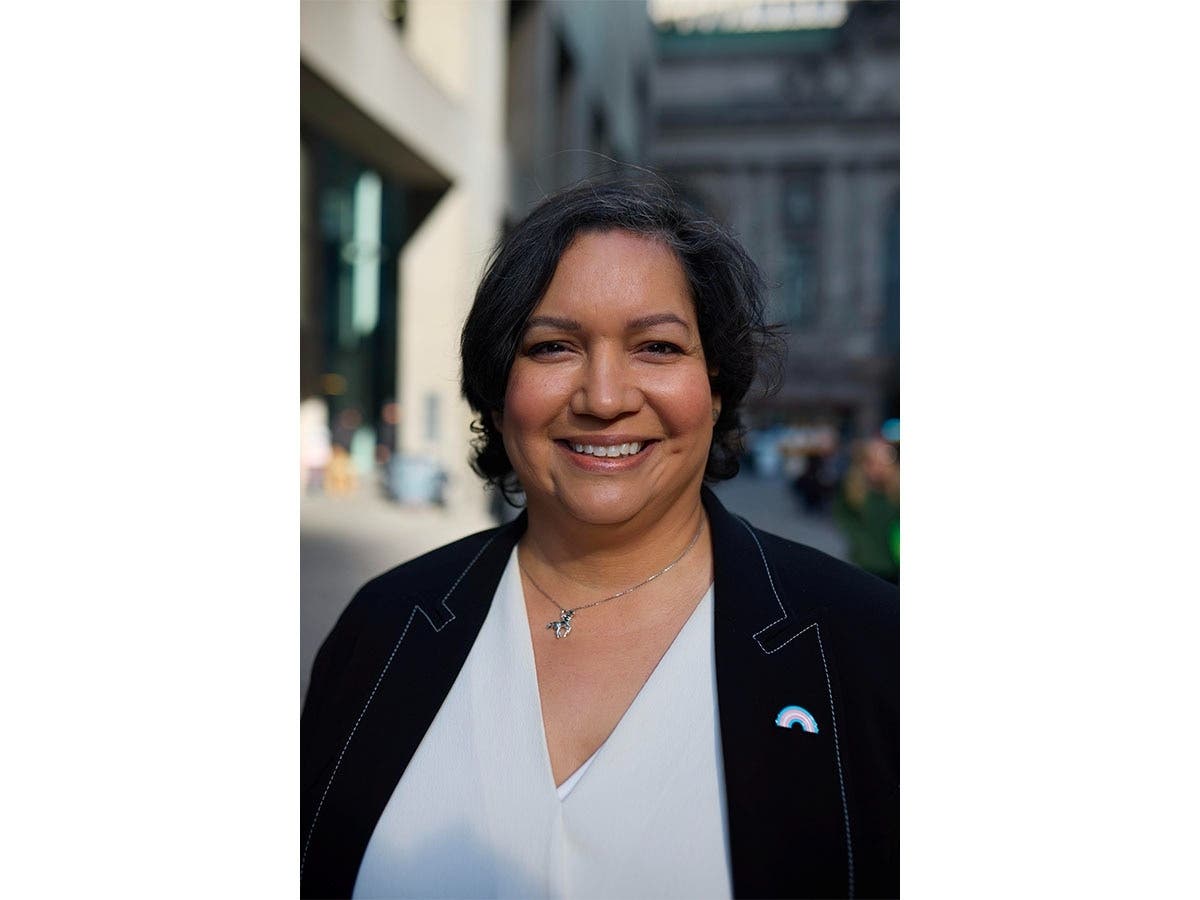
The vote followed a presentation earlier in the month by Emily Chingay of a nonprofit called Open Plans about low-traffic neighborhoods.
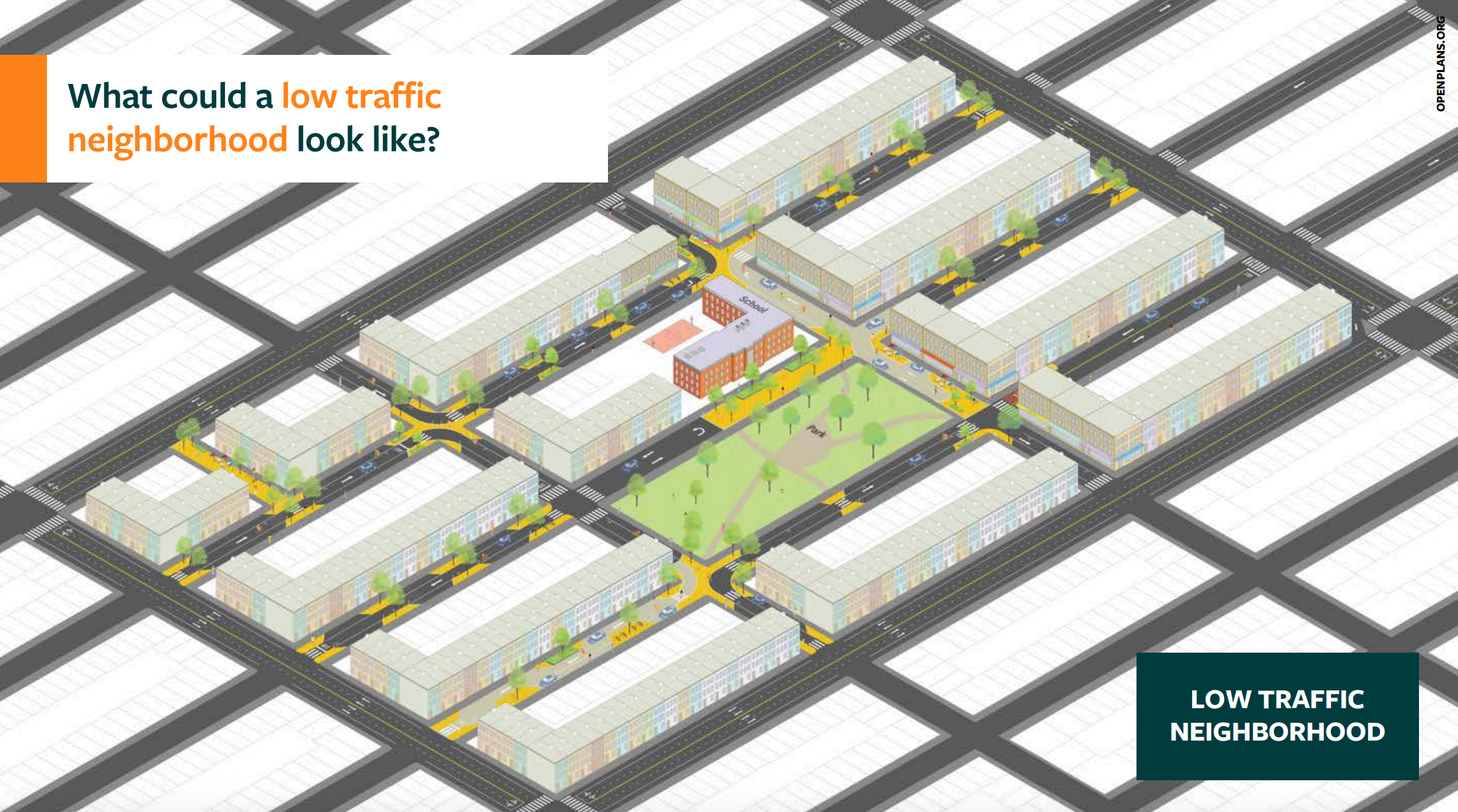
She said the low traffic model redirects drivers to main roads while maintaining local access, using tools like planters, pedestrian islands and bollards to slow traffic on smaller streets.
Find out what's happening in Upper East Sidefor free with the latest updates from Patch.
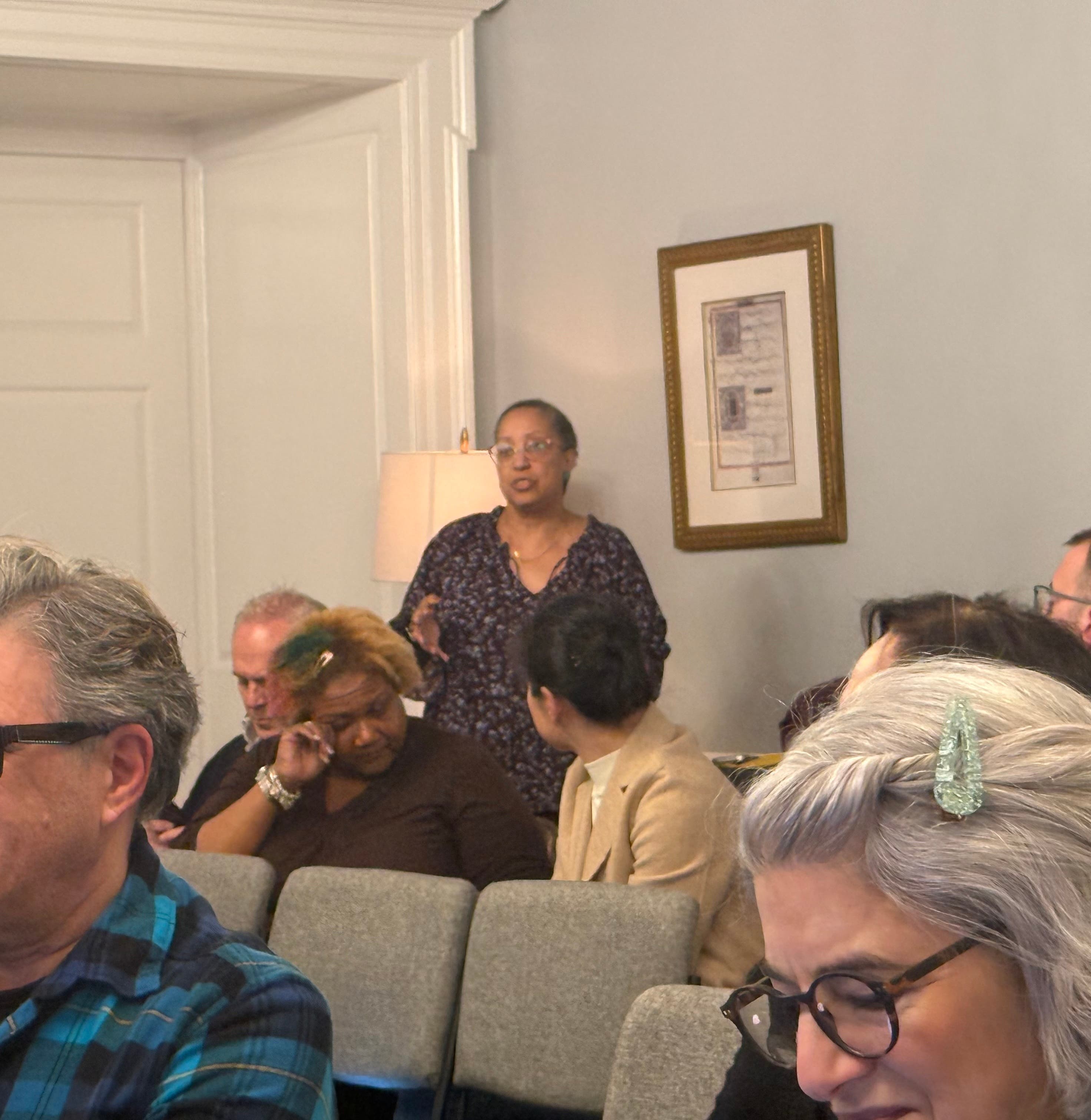
But during the Wednesday meeting, board members were divided over whether the concept was worth studying at all.
Supporters said the approach could improve pedestrian safety, reduce noise and air pollution and stressed that the resolution did not call for immediate changes, but simply for a DOT study to determine if such measures could be effective.
"We don't know what the actual outcome of this will be, and I don't think there's anything wrong with simply studying the problem," Sharon Pope-Marshall, a member of the board, said.
Opponents, however, argued that restricting traffic on certain streets would push congestion onto surrounding blocks, worsen driving conditions, and create unintended consequences in an already dense neighborhood.
"There's a disconnect here with the aim of what we're supposed to be trying to do and what the proposed solution is," board member Russell Squire said. "The whole way it's contemplated to work is it's going to make it so difficult to drive on most streets that people are basically going to have no choice but to go elsewhere. But, it doesn't actually solve the problem of the traffic that you already have on these existing external edge routes that people potentially could take."
Some also questioned whether the Department of Transportation would adequately incorporate community input.
"I don't really see that this makes any sense at all," Michele Birnbaum said. "I also question, knowing how the DOT functions and how their studies function, that if they were to propose what they think are appropriate sites for this, I have a lot of doubt that the community board would have the input that it would like to have on making that final decision."
With the resolution failing, the board will not move forward with a formal request for a DOT study, leaving the idea of a low-traffic neighborhood on the Upper East Side off the table — at least for now.
While Community Boards provide recommendations, their approval is not always binding, though they heavily influence project implementation.
See the full meeting here.
For questions, email Miranda.Levingston@Patch.com.
Get more local news delivered straight to your inbox. Sign up for free Patch newsletters and alerts.