Politics & Government
The Upper East Side Has A New Voice In City Hall
Councilmember Virginia Maloney outlines her priorities for her first term.


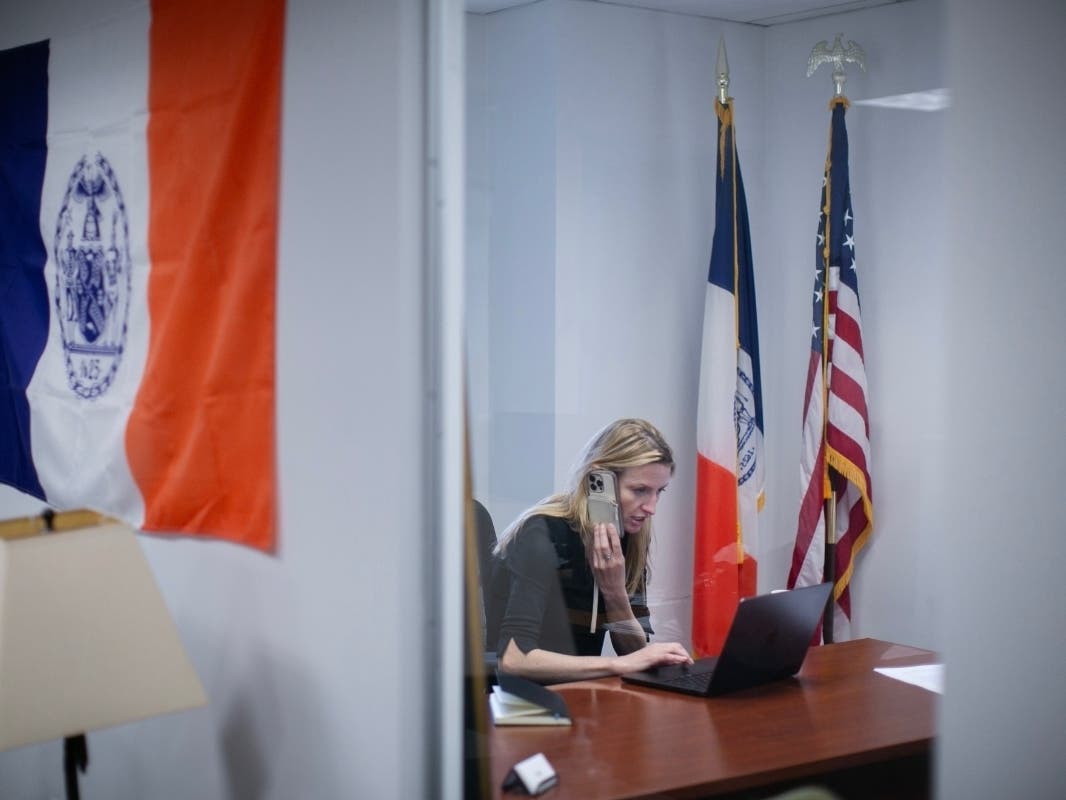
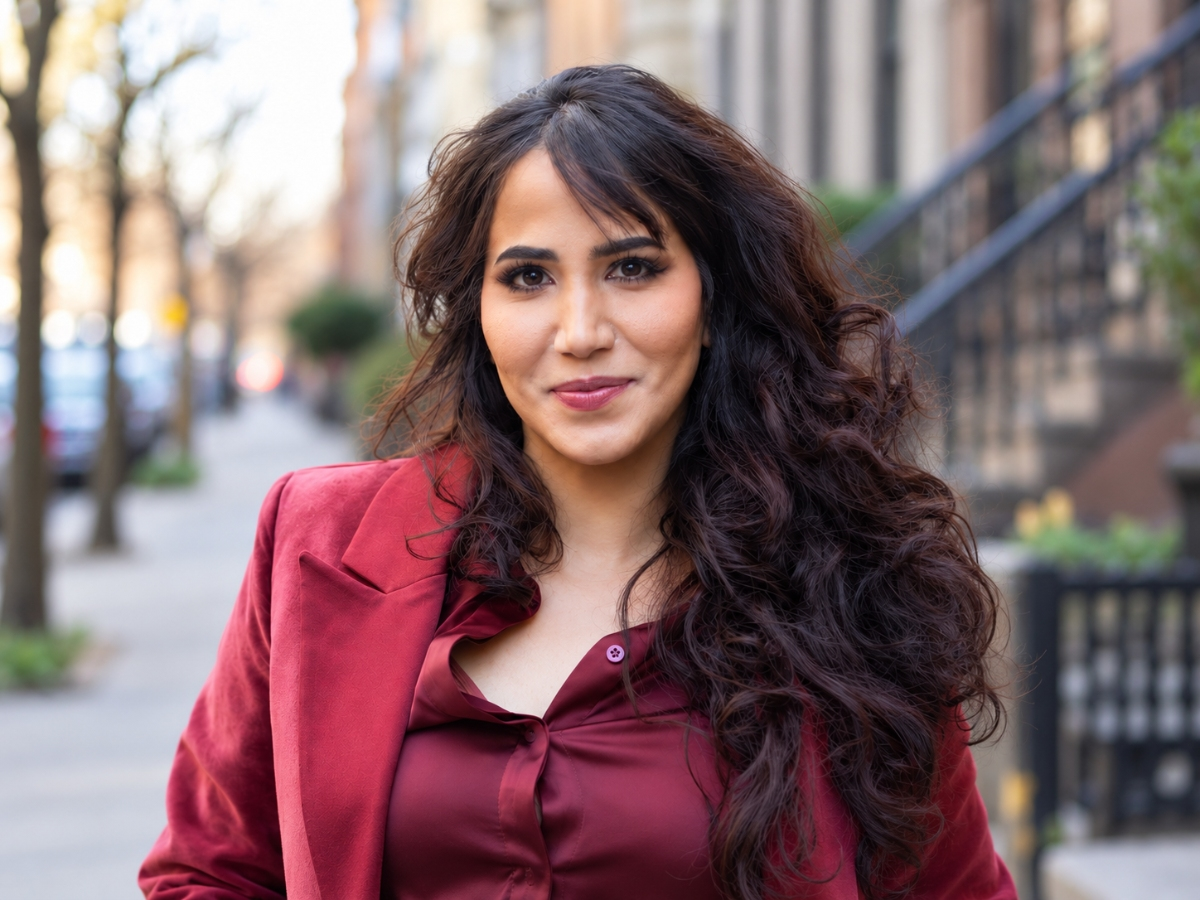
UPPER EAST SIDE, NY — For the first time in eight years, District 4, which includes a large swath of the Upper East Side, has a new leader — with new priorities — in City Council.
Councilmember Virginia Maloney is replacing Keith Powers, who won an Assembly seat in lower Manhattan on Tuesday's special election.
In the first four weeks she's been in office, Maloney has published a bill about helping religious institutions prepare for security emergencies — like the recent car-ramming at Chabad's headquarters in Crown Heights — and shoveled a few people's cars out during the snowstorm.
Find out what's happening in Upper East Sidefor free with the latest updates from Patch.
Speaker of the City Council Julie Menin, who also represents the Upper East Side, has assigned Maloney to eight committees: the Committee on Small Business, the Committee on Cultural Affairs and Libraries, the Committee on Finance, the Committee on Fire and Emergency Management, the Committee on Higher Education, the Committee on Housing & Buildings, the Committee on Sanitation and Solid Waste Management, and the Committee on Economic Development, which she chairs.
This Thursday, she was also chosen to co-chair the Manhattan Delegation, which advocates collectively for the borough's shared priorities at City Hall.
Find out what's happening in Upper East Sidefor free with the latest updates from Patch.
"So, if you need to find me, I'll be at City Hall," she said.
She spoke with Patch this week to share her main priorities for her district.
Increasing affordable housing
"I ran on a campaign for a more affordable city, an accessible city, and one that is grounded in government accountability," she told Patch, when asked about what she feels the most pressure to deliver on. "Those themes are something that I bring to bear every day when I go to work."
During her term, she told Patch she would preserve existing affordable housing in her district and support "pro-growth policies" that encourage more affordable housing development. One example she said she supports is turning unused office space in Midtown into affordable housing as part of the Midtown South Mixed-Use rezoning plan.
She also said her office is already taking on casework, like helping older adults stay in their homes by filing the proper Senior Citizen Rent Increase Exemption paperwork, known as SCRIE, and a similar program for New Yorkers with disabilities.
"Rental assistance programs need to continue to be supported and, in my opinion, expanded," Maloney told Patch. "So we have programs like SCRIE for seniors, and DRIE for folks with disabilities, that we need to expand because the income thresholds are quite low for what it takes to live in New York City. So I'm interested in expanding those programs, and that would be part of the budget conversation."
Curbing reckless e-bikes
During her term, Maloney said she wants to focus on street safety, calling reckless e‑bike and delivery wagon drivers "life‑threatening" for pedestrians.
She told Patch she is exploring legislation to add license plates or other identifiers for commercial delivery bikes. She also told Patch she's looking at "more stringent" speed limits for e-bikes.
"I do think [e-bikes] really hindered livability on the Upper East Side and in large commercial corridors and really all across the district," Maloney said. "People are going the wrong way, people are speeding, and it's creating unsafe conditions that can be life-threatening in some cases."
However, Maloney said she's proudly "pro-bike" and is mainly focused on pressing the big corporations — like Amazon, Seamless and Citi Bike, to name a few — to incentivize safer riding.
On the Upper East Side, she wants to see more continuous bike lanes.
"People are using bikes for commuting, and I don't want to do anything to hinder that," Maloney said. "The use of bikes is great — I'm pro-bike. It would be great if we could have better infrastructure on the East Side to support bikes, like more continuous bike lanes."
Connecting the East River Esplanade
One of the continuous bike lanes Maloney hopes to see fully realized is the East River Esplanade, which, though partly in Menin's district, impacts everyone on the Upper East Side and the East Side of Manhattan, she said.
At the moment, the Esplanade's infrastructure is crumbling, and parts of the pathway are blocked off, making it impossible to bike along the waterfront for its entire length.
"I'm very excited about investing in the East Side waterfront," Maloney said. "The amount of investment that's come in on the West Side for infrastructure, like you have a bike lane going all the way down on the West Side Highway, and we need comparable investments here on the East Side."
Accessible, accountable government
She wants her first weeks in office to be about hyper‑local fixes as much as big policy: On the Sunday after the snowstorm, she and her partner were out shoveling cars and clearing entrances, she told Patch.
She is urging residents to call her office in addition to 311 so staff can push agencies to move faster on quality-of-life issues, like a co‑op in the East 60s, where her office succeeded in getting Con Edison to move a work site so residents could keep full building access.
She said that whether it’s helping a New Yorker file an application in time to keep their home, or responding to snow complaints, everyday quality‑of‑life and safety issues are her top focuses throughout her term.
"City Council is the closest layer of government to the people," Maloney said. "These quality-of-life issues may seem small, but when you add them up, that's the fabric of our neighborhood, and those daily issues are extremely meaningful to people. So being responsive to them is the bread and butter of a council office."
Want Patch to feature a newsworthy New Yorker? Email Miranda.Levingston@Patch.com.
Get more local news delivered straight to your inbox. Sign up for free Patch newsletters and alerts.