Community Corner
Greenwich Village Kids Are Least 'At Risk' In NYC, Study Finds
Parents with high incomes and teens who stay in school or have jobs mean Village kids have less obstacles to their wellbeing, a study found.


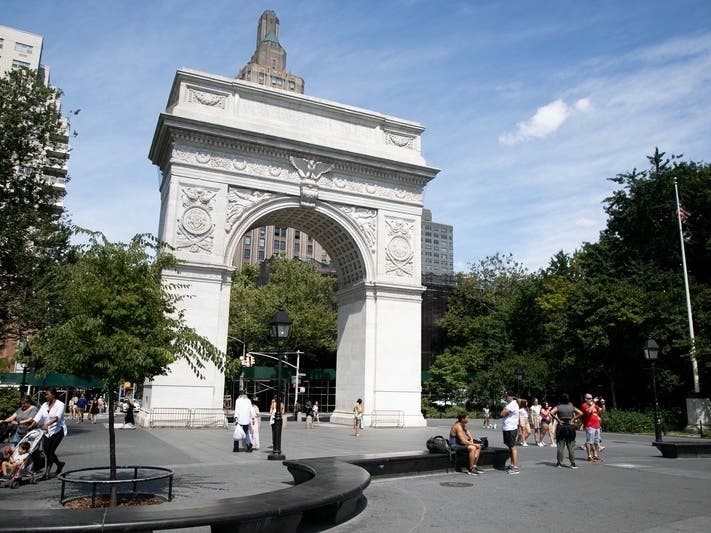
GREENWICH VILLAGE, MANHATTAN — Kids who grow up in the Village have the least obstacles to a healthy and self-sufficient life than any other neighborhood in New York City, according to a new study.
High parent incomes and the tendency for kids to stay in school or have jobs landed Greenwich Village with the lowest overall score in the Citizens' Committee For Children's latest ranking of high or low risk New York City neighborhoods.
The study — which analyzes kids' obstacles to being healthy, housed, educated, safe and economically self-sufficient — is meant to reveal where resources should be pooled to help children in need, researcher said.
Find out what's happening in West Villagefor free with the latest updates from Patch.
"This does not mean one community is inherently better or worse, or that these obstacles cannot be overcome," the report reads. "However, the 18 indicators on their own and together as an index help identify where such factors cluster, enabling individuals, organizations, and government to take informed action through program development, budget decisions, and legislation to address social determinants of health andto reduce the likelihood of adverse childhood experiences."
Greenwich Village's low overall score was because of its high economic security and low risks for teens.
Find out what's happening in West Villagefor free with the latest updates from Patch.
The neighborhood only has a 3.2 percent poverty rate and an median income for families with children of about $234,000, more than 10 times higher than the median income for families in the most at-risk neighborhood, Mott Haven in the Bronx.
Parents in Greenwich Village also almost always had a full-time job in the last year at the time of the study, meaning the neighborhood clocked in with the lowest rate of "parental employment instability." Only 11.8 percent of households in Greenwich Village had neither spouse worked full-time in the last year, compared to about 61 percent of households in Mott Haven, according to the study.
The neighborhood also ranked the lowest risk for the time between childhood and adulthood, the ranking showed.
Teen girls were 52 times less likely to have a baby in Greenwich Village than in the highest risk neighborhood and zero percent of Greenwich Village teens were "idle," meaning they weren't in school and didn't have a job. Teens were three times less likely to be unemployed in Greenwich Village than Mott Haven.
These and other factors led Greenwich Village to have an overall .11 risk rate, putting it at the bottom of the "lowest risk" category. By comparison, the neighborhood with the highest risk, Mott Haven in the Bronx, had an overall .8 score.
The overall score is a combination of 18 factors broken down into economic security, housing, health, education, youth and family and community categories.
To read the full CCC Child & Family Well-Being in New York City report, click here.
Get more local news delivered straight to your inbox. Sign up for free Patch newsletters and alerts.