Community Corner
Israel Trauma Coalition Director Shares Stories of Resilience with Westchester Social Workers
Fifteen WJCS staff hear best practices for treating severe distress, anxiety, and suffering.
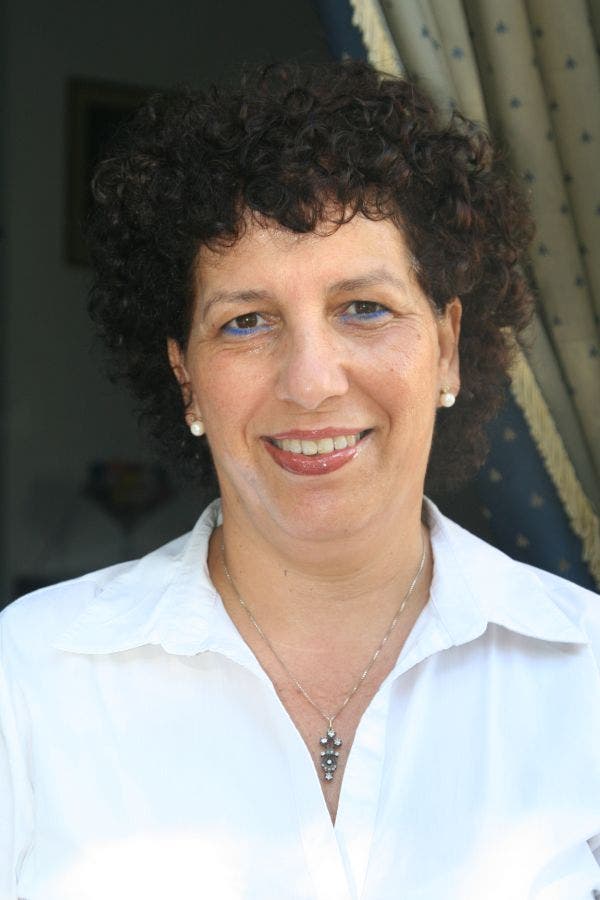
Fifteen social workers sit around a table in UJA-Federation of New York’s White Plains office. Listening intently, the staff from Westchester Jewish Community Services (WJCS) seems to literally absorb the information from Talia Levanon, executive director of the Israel Trauma Coalition, as she shares details about new, innovative models of treating severe distress, anxiety, and suffering.
Established by UJA-Federation of New York in 2001 in response to the trauma caused by the Second Intifada, the Israel Trauma Coalition (ITC) is today an internationally recognized authority in the field of disaster relief and trauma response. This coalition of more than 40 organizations care for those facing ongoing violence and trauma in Israel and has trained workers everywhere — including post-earthquake Haiti, Mumbai, Japan, the Philippines, and the U.S. ITC staff trained staff in Paris after the 2015 attacks there and is currently in Germany, training teams that administer to Syrian refugees, and working in collaboration with the Ukrainian Ministry of Health to support those impacted by war in that region.
As the go-to leader in trauma response, the ITC is well equipped to speak about best practices to staff at WJCS, a UJA beneficiary agency that offers a wide range of clinical and community-based mental health, counseling, and specialty programs in Westchester County. While the WJCS social workers aren’t forced to wear vests and helmets when they go into the field like their Israeli counterparts, they deal with trauma treatment in their work every day.
Find out what's happening in White Plainsfor free with the latest updates from Patch.
The goal, according to Levanon, goes beyond clinical therapy and branches out into building community resilience and preparedness.
“New scenarios have forced us to look at communities in a new ways,” she said. In years past, Israelis focused their trauma counseling on soldiers. But with the advent of the Gulf War in 1991, which forced civilians to secure their homes and have gas masks at the ready, the need for mental-health counseling and support grew to include entire communities. And today, with very real threats of infiltrations in Israel from the sea, on the ground, and through underground tunnels, preparedness — both physical and psychological — requires a different approach.”
Find out what's happening in White Plainsfor free with the latest updates from Patch.
That’s why the ITC is preparing communities in the north for immediate evacuation if necessary and recipient communities for their arrival.
“We’ve had to train teams of social workers to deliver tragic news and we’ve had to train municipalities how to respond to emergencies,” she continued. “In many cases, the communities are small so everyone in them can be impacted.”
The most effective response is to create models within the community to teach people to respond to the needs of their neighbors or others in need. This type of intervention, according to Levanon, builds strength among peer groups and provides everyone with a role in the face of crisis. In addition, the ITC creates specific protocols depending on the specific needs and culture of the community, resulting in models for children, the elderly, caretakers, ultra-Orthodox, Bedouins, and more.
“The models we’ve created in Israel are attractive beyond our borders because these approaches are quite innovative and unique. Resilience training is rare in other parts of the world,” she said, pointing to mind-body work art therapy, and animal-assisted therapy as useful techniques for communication and stress relief.
Ultimately, she concluded, it’s about intervention and being proactive. “Giving people the tools to deal with crisis situations in advance builds resilience,” Levanon stated.
Photo: Talia Levanon