Politics & Government
Latimer Signs Immigrant Protection Act
The new law is backed by law Enforcement and passed Board of Legislators with bi-partisan votes.



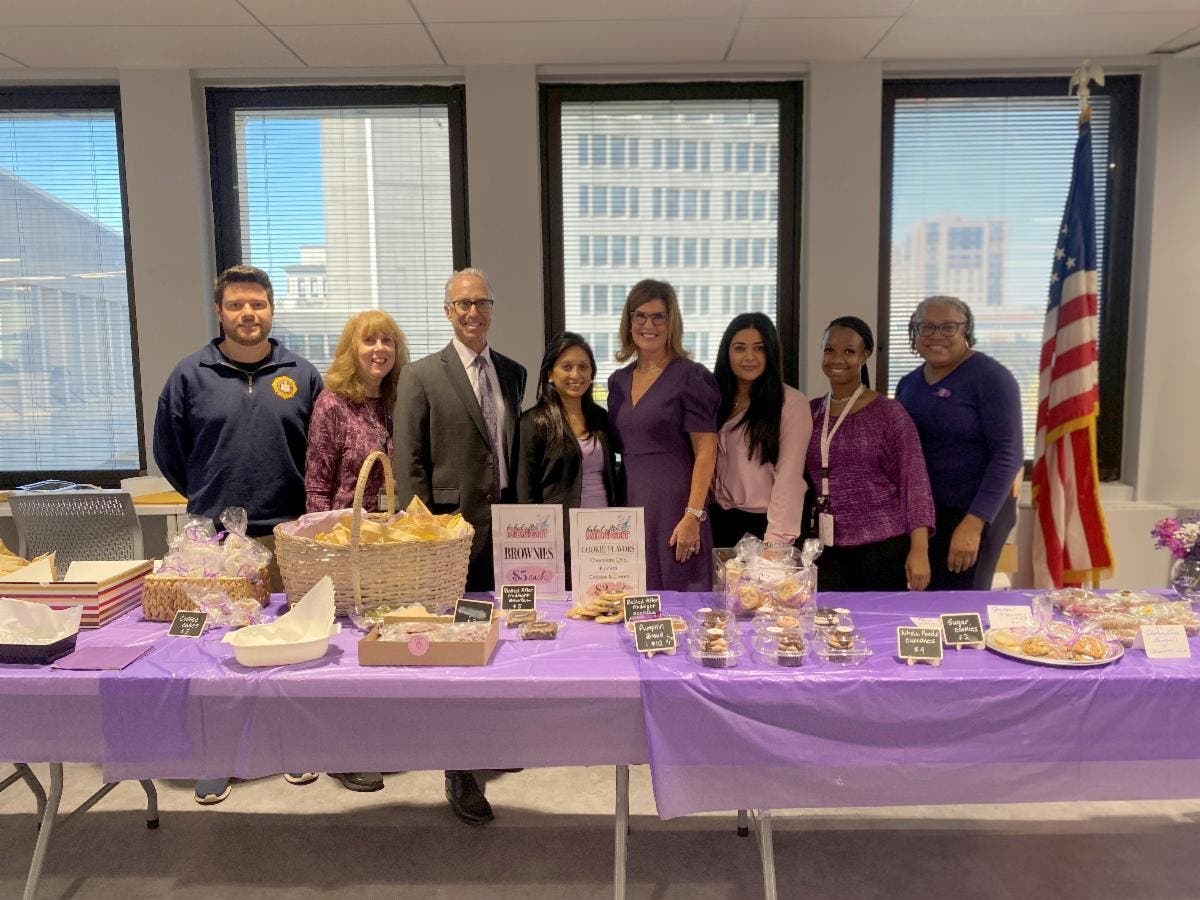
WHITE PLAINS, NY — Westchester County Executive George Latimer signed the bi-partisan Immigrant Protection Act flanked by law enforcement, immigration advocates, legislators and Westchester County residents. The measure, which passed the Board of Legislators on March 12, aims to increase trust and cooperation between all Westchester residents and law enforcement.
Latimer said the Board of Legislators came together in a bi-partisan way, with the assistance of law enforcement and immigration advocates alike, to craft a law which fully complies with federal law while offering humane peace of mind to our immigrant brothers and sisters.
”This law makes all Westchester residents safer by increasing trust between communities and allowing Westchester law enforcement officials to focus on their job – not the federal governments,” he said.
Find out what's happening in White Plainsfor free with the latest updates from Patch.
The Immigrant Protection Act outlines what information County law enforcement will require from those they interact with and how this information is shared with all levels of law enforcement.
The Act holds that:
Find out what's happening in White Plainsfor free with the latest updates from Patch.
- Detainees must be made aware of various immigration status issues;
- Detainees may not be held without a criminal warrant;
- County agencies and employees shall not perform the duties of Federal Immigration Authorities, engage in the enforcement of federal immigration law, or accept requests by Federal Immigration Authorities to assist in the enforcement of federal immigration laws.
The measure is supported by the County Departments of Public Safety, Corrections and Probation, according to a spokesman.
A study done by the University of Illinois at Chicago entitled “Insecure Communities: Latino Perceptions of Police Involvement in Immigration Enforcement,” found that 45 percent of Latinos stated that they are less likely to voluntarily offer information about crimes, and 45 percent are less likely to report a crime because they are afraid the police will ask them or people they know about their immigration status. Additionally, fear of police contact is not confined to immigrants. For example, 28 percent of US-born Latinos said they are less likely to contact police officers if they have been the victim of a crime because they fear that police officers will use this interaction as an opportunity to inquire into their immigration status or that of people they know.
Image via Shutterstock.
Get more local news delivered straight to your inbox. Sign up for free Patch newsletters and alerts.