Neighbor News
Westchester Women’s Agenda Releases Report on the Status of Women in Westchester
Study Reveals Key Challenges Facing Women
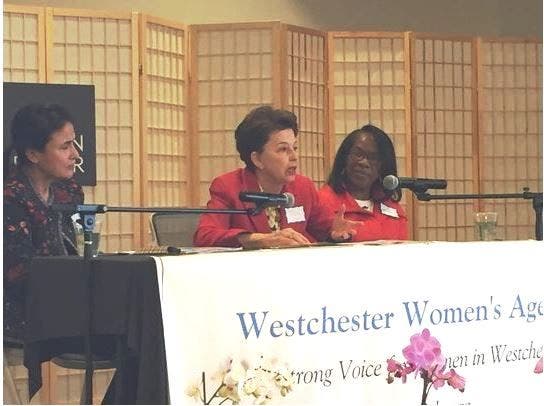
The Westchester Women’s Agenda released a 2016 Report on the Status of Women in Westchester that documents changes affecting women’s current well-being and challenges for the future.
The report paints a portrait of women squeezed between the high cost of child care, worsening poverty, a growing elderly population with strained resources, and wage disparities which -- despite the higher educational levels of women -- continue to favor men. These trends negatively impact the ability of women to remain in the work force and contribute to the productivity and well-being of Westchester County.
“The goal of the Report is to create a baseline on issues of concern to women,” says Antoinette Klatzky, co-chair of the Westchester Women’s Agenda, “and to lay the foundation for data-based and research-informed efforts to pursue progress and improve the quality of life for women and for everyone in Westchester County. The report also seeks to inspire the public to join in these efforts.”
Find out what's happening in White Plainsfor free with the latest updates from Patch.
Among the key findings in the Report, which was produced with co-sponsorship support from EILEEN FISHER:
- The high cost of child care. Nearly half of the respondents in a survey by the Child Care Council indicated that they had trouble paying for child care in the last six months. To deal with these high child care costs, nearly half of the parents borrowed money from their families, a third moved their children from regulated to informal child care and over a quarter reduced their working hours.
- The lack of affordable housing. The U.S. Department of Housing (HUD) defines affordable housing as that which costs less than 30% of household income. By that standard, half or more of Westchester County’s renters live in housing they cannot afford. Women in domestic violence situations are particularly impacted by the lack of access to decent and affordable housing, as are older women.
- The rise in poverty. More than 10% of Westchester families live in poverty, and that percentage has increased over the last five years. Blacks and Hispanics are far more likely to live in poverty. Women ages 45-54 represent the highest demographic living in poverty and does 12% of children.
- Pay disparities between women and men. While the educational levels of women now exceed those of men, at all levels of education, women in Westchester still make less money than men. Even in comparable full-time jobs with full-time hours, women make less money than men. Given current trends, women in New York State will not achieve equal pay until 2049.
- The growing demand for elder care. In Westchester, residents over 60 years old represent 20% of the population or one in five people. They will represent 25% -- or one in four people — by 2030. And in the entire Hudson Valley Region, the number of people over 60 is already twice as large as the national average.
The WWA is a feminist organization that serves as a strong voice for women in Westchester on legislative policy and program issues affecting women in Westchester County. In recent years the WWA has sponsored a variety of events including the 2013 and 2014 Westchester Women’s Summits, Women’s Cafes in various communities, Legislative Breakfasts and ongoing efforts to broaden and deepen the conversation about women’s issues in Westchester County. For more information, visit wwagenda.org.