Community Corner
Sun and Water Safety Guide
Make this Fourth of July a safe and happy one with these valuable tips.


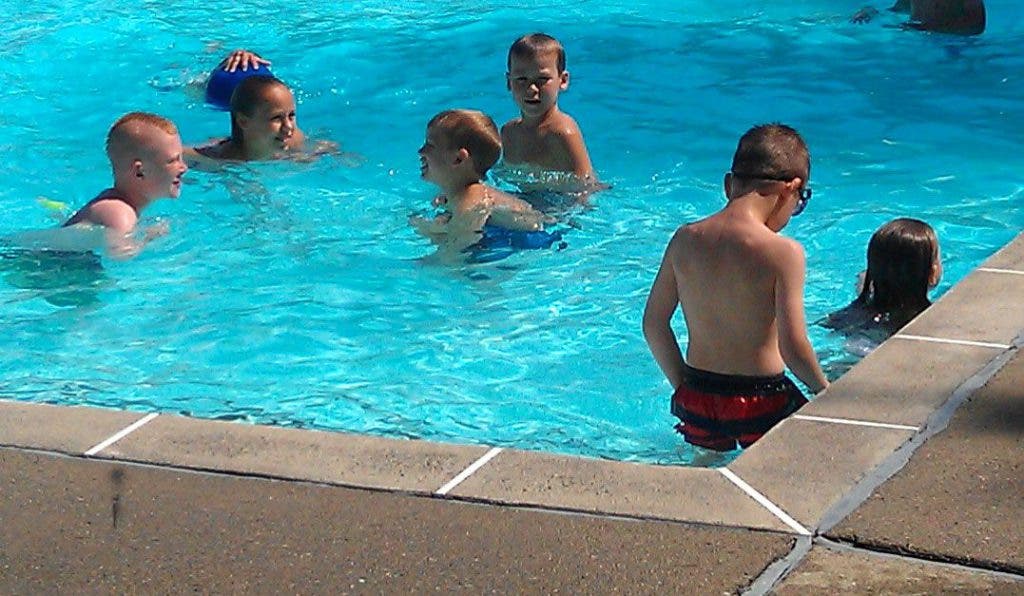
With temperatures expected to climb above 90 degrees this Fourth of July holiday New Yorkers will be heading outside to play and taking to the water to cool off.
So to make sure your holiday is as safe and stress-free as possible, here is a list of water and sun exposure safety tips compiled from the New York City departments of Health, and Parks and Recreation.
Heat Safety
Hydrate
Drink lots of fluids to avoid dehydration. Water and diluted juices are the best. Avoid alcohol, because it can lessen one's ability to cool oneself. Anyone on fluid-restricting diets or taking diuretics (water pills) should consult their doctors.
Find out what's happening in Windsor Terrace-Kensingtonfor free with the latest updates from Patch.
Keep cool
If possible, stay in air-conditioned areas. This is particularly important during the sun's peak hours of 11 A.M. to 4 P.M.
Dress cool
Wear lightweight, light colored, loose fitting clothing.
Find out what's happening in Windsor Terrace-Kensingtonfor free with the latest updates from Patch.
Bring kids and pets with you at all times
Do not leave children or pets in an enclosed automobile.
Look out for each other
Check on neighbors and relatives, especially the elderly, who are at a high risk for heat-related conditions.
Use sunscreen
Sunscreen protects against the sun's ultraviolet rays, which can lead to sunburn, sun poisoning, and increases the risk of skin cancer. Use sunscreen with at least a Sun Protection Factor (SPF) 15. Apply the sunscreen 30 minutes before going into the sun to avoid it washing off quickly. When putting on the sunscreen, apply liberally and reapply frequently, especially after swimming or rigorous activity that causes you to sweat. It is particularly important to use sunscreen if you have fair or sensitive skin.
Water Safety
The beach is a great place to beat the heat and enjoy the great outdoors. To be safe while having fun always take the following precautions:
Learn to swim
Swimming is an important personal safety skill and a great way to stay in shape. Call 311 or visit our Swim Programs page to learn about our Free Learn to Swim program.
Swim only when lifeguards are present
Lifeguards are there for your protection. Follow their directions and all rules.
Swim with a friend
Drowning often involves single swimmers. A friend can signal for help if a problem develops.
Swim sober
Alcohol impairs swimming ability and is a major factor in drowning.
Supervise children
Watch children closely even when lifeguards are present.
Sun Safety
A day in the sun can take its toll. The following tips will protect you from overexposure.
Drink water
Your body needs plenty of water to prevent dehydration on hot summer days. Pay special attention to children. They can become dehydrated more quickly than adults.
Use sunscreen
Sunburn is painful and unhealthy. Use sunscreen with an SPF of 15 or higher and reapply frequently.
Protect your eyes
Wear sunglasses to protect your eyes from the sun?s ultraviolet rays.
Wear appropriate clothing
Wear light loose flitting clothing to keep cool and a hat to keep you shaded.
Be aware
Read and obey all rules and posted signs.
Watch out for the dangerous “too’s”
Too tired, too cold, too far from safety, too much sun, too much strenuous activity.
Set water safety rules for the family
Base the rules on swimming abilities (for example, inexperienced swimmers should stay in water less than chest deep).
Be knowledgeable of potential hazards
Make sure all swimmers know about dangers such as deep and shallow areas, currents, depth changes, obstructions and where the entry and exit points from the water are located.
Watch the sky
Pay attention to local weather conditions and forecasts. Stop swimming at the first indication of bad weather.
Don't dive in head-first
Use a feet-first entry when entering the water. Enter head-first only when the area is clearly marked for diving and has no obstructions.
Swimming Pool Safety
The American Red Cross recommends the following safety tips for swimming pool owners.
Keep kids safe
Never leave a child unobserved around water. Your eyes must be on the child at all times. Adult supervision is recommended.
Have an emergency phone
Install a phone by the pool or keep a cordless phone nearby so that you can call 9-1-1 in an emergency.
Learn CPR
Learn Red Cross CPR and insist that babysitters, grandparents, and others who care for your child know CPR. The NYC Fire Dept. offers free CPR classes.
Emergency information
Post CPR instructions and 9-1-1 or your local emergency number in the pool area.
Restrict pool access
Enclose the pool completely with a self-locking, self-closing fence with vertical bars. Openings in the fence should be no more than four inches wide. The house should not be included as a part of the barrier. The gate should be constructed so that it is self-latching and self-closing. Never leave furniture near the fence that would enable a child to climb over the fence.
Rescue equipment
Always keep basic lifesaving equipment by the pool and know how to use it. Pole, rope, and personal flotation devices (PFDs) are recommended.
Put toys away
Keep toys away from the pool when it is not in use. Toys can attract young children into the pool.
Uncover pool before use
Pool covers should always be completely removed prior to pool use.
Check pool first
If a child is missing, check the pool first. Go to the edge of the pool and scan the entire pool, bottom, and surface, as well as the surrounding pool area.
Get more local news delivered straight to your inbox. Sign up for free Patch newsletters and alerts.