Weather
Black Ice Likely During Thursday Morning Commute: NWS
If you have to venture out Thursday morning, be careful. Black ice is likely, say government forecasters.


For every gorgeous snow day in the Carolinas, there seems to always be an inevitable icy aftermath. Thursday morning will be no exception, according to forecasters. A Winter Weather Advisory is in effect for portions of western North Carolina, including Mecklenburg and Iredell Counties, which means snow showers will end with no more significant accumulation and black ice is likely.
Wednesday’s snowstorm surpassed original accumulation predictions for the Charlotte metro region, resulting in snowfall totals of almost 4 inches in Charlotte, 5 inches in Cornelius and Huntersville and 6 inches in Mooresville, according to National Weather Service spotter reports.
Wednesday night, however, those totals will become treacherous as temperatures are expected to plunge into the single digits and low teens in the piedmont of North Carolina, the forecasting service said.
Find out what's happening in Charlottefor free with the latest updates from Patch.
“With temperatures below freezing early Thursday morning, any residual water on roadways and elevated surfaces will likely refreeze, affecting travel conditions for Thursday’s morning commute,” the National Weather Service said Wednesday.
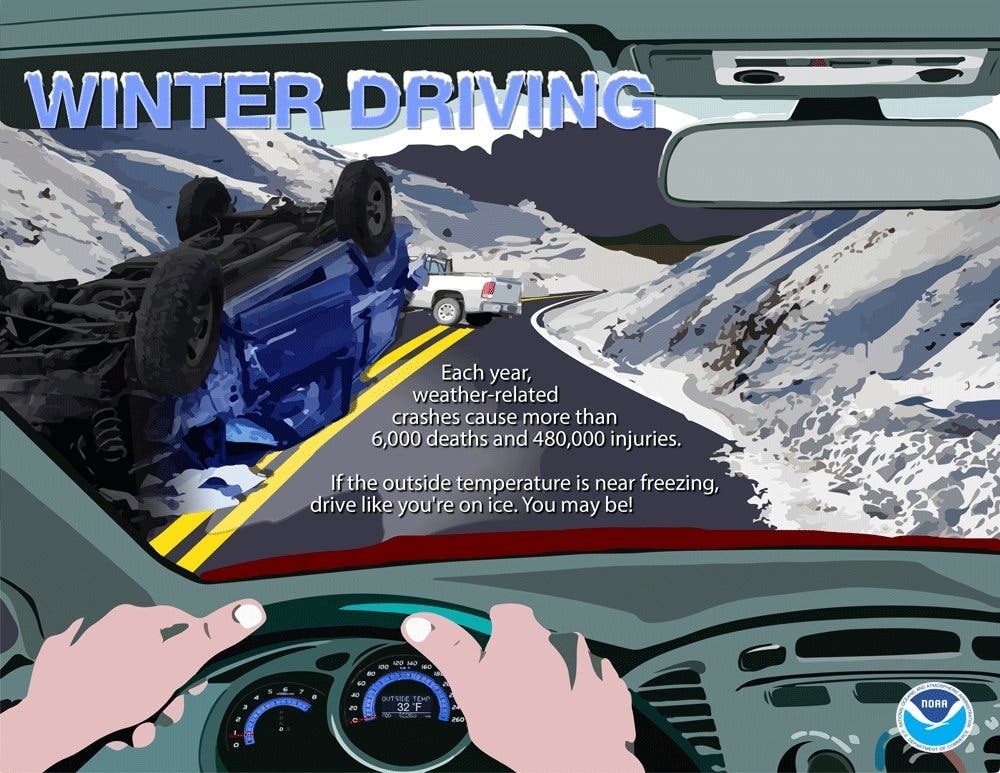
“A Winter Weather Advisory for Black Ice means that refreezing of roads will occur, resulting in the development of widespread black ice. Be prepared for very slippery roadways. Some roads that appear clear may be covered by a thin layer of ice,” NWS said.
Find out what's happening in Charlottefor free with the latest updates from Patch.
Local government offices, such as the City of Charlotte and Mecklenburg County, will be opening up on a delay Thursday, while Charlotte-Mecklenburg Schools will remain closed for the entire day.
If you have to venture out Thursday, remember these driving tips for driving in the snow from AAA:
- Accelerate and decelerate slowly. Applying the gas slowly to accelerate is the best method for regaining traction and avoiding skids. Don’t try to get moving in a hurry. And take time to slow down for a stoplight. Remember: It takes longer to slow down on icy roads.
- Drive slowly. Everything takes longer on snow-covered roads. Accelerating, stopping, turning – nothing happens as quickly as on dry pavement. Give yourself time to maneuver by driving slowly.
- The normal dry pavement following distance of three to four seconds should be increased to eight to ten seconds. This increased margin of safety will provide the longer distance needed if you have to stop.
- Know your brakes. Whether you have antilock brakes or not, the best way to stop is threshold breaking. Keep the heel of your foot on the floor and use the ball of your foot to apply firm, steady pressure on the brake pedal.
- Don’t stop if you can avoid it. There’s a big difference in the amount of inertia it takes to start moving from a full stop versus how much it takes to get moving while still rolling. If you can slow down enough to keep rolling until a traffic light changes, do it.
- Don’t power up hills. Applying extra gas on snow-covered roads just starts your wheels spinning. Try to get a little inertia going before you reach the hill and let that inertia carry you to the top. As you reach the crest of the hill, reduce your speed and proceed down hill as slowly as possible.
- Don’t stop going up a hill. There’s nothing worse than trying to get moving up a hill on an icy road. Get some inertia going on a flat roadway before you take on the hill.
- Stay home. If you really don’t have to go out, don’t. Even if you can drive well in the snow, not everyone else can. Don’t tempt fate: If you don’t have somewhere you have to be, watch the snow from indoors.
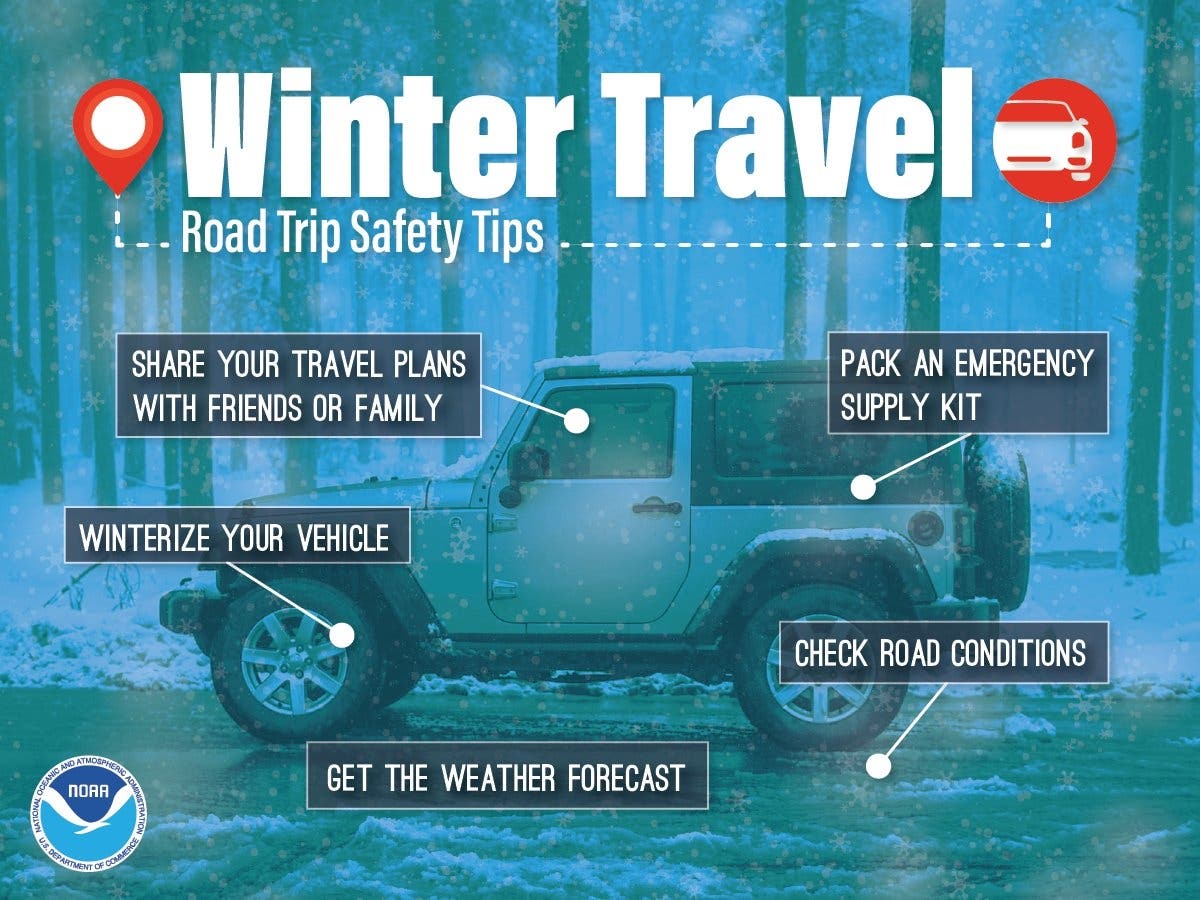
Graphics courtesy of the National Weather Service
Get more local news delivered straight to your inbox. Sign up for free Patch newsletters and alerts.