Community Corner
Bombs In Your Backyard: 15 Medium, High-Risk DOD Sites In NC
ProPublica identified 40,000 sites across the US polluted by the military, some of which present a risk of exploding bombs and munitions.

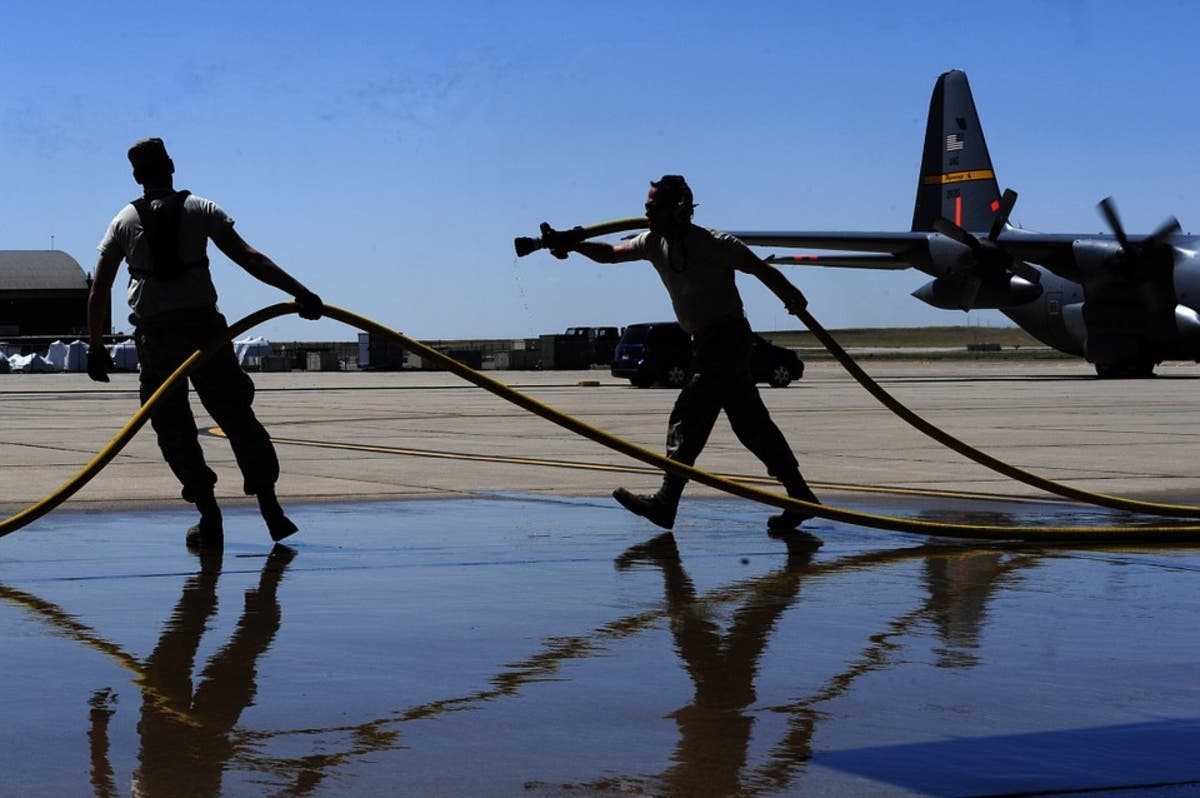
CHARLOTTE, NC — North Carolina has 74 properties or installations currently or formerly owned by the Department of Defense that have at least one hazardous site and 15 of these installations have at least one high or medium risk hazardous site, according to data released from the DOD that was acquired and published by ProPublica.
According to ProPublica, which has been documenting toxic pollution left behind by the military across the country, there are more than 40,000 such hazardous sites polluted by U.S. military operations.
Through its reporting, ProPublica found that many of these sites have extensive groundwater and soil pollution or present a risk of exploding bombs and munitions. Some of these sites are part of old facilities that may not be known locally even though a risk of exposure to contaminants may still be present. ProPublica also notes that contamination could affect an area much larger than the site itself.
Find out what's happening in Charlottefor free with the latest updates from Patch.
According to ProPublica, past and estimated future costs of hazardous sites cleanup in North Carolina is $856 million.
The North Carolina installations with at least one high or medium risk site are:
Find out what's happening in Charlottefor free with the latest updates from Patch.
- Camp Lejeune MCB, Onslow County
- Fort Bragg, Cumberland County
- Cherry Point MCAS, Craven County
- Tarheel Army Missile Plant, Almance County
- Laurinburg-Maxton AB, Scotland County
- CP/FT Davis, Pender County
- Charlotte NAV AMM Depo, Mecklenburg County
- Campbell Island, Brunswick County
- Drummond Point, Perquimans County
- Bull Bay, Tyrrell County
- Ft. Green, Mecklenburg County
- Corolla Naval Target, Currituck County
- Charlotte Army MIS PL, Mecklenburg County
- Fort Fisher, New Hanover County
- Southern Shores, Dare County
ProPublica explains in its methodology that it classified entire installations as high risk even if it contained one high risk site. A site is either assigned a relative risk of high, medium or low or a priority level of 1 through 8. ProPublica simplified that into one risk level and confirmed their assessment with the DOD.
Some sites are marked as “response complete,” meaning the DOD cleanup actions are complete but that doesn’t mean there is no longer a hazard. According to ProPublica, this may mean sites are simply fenced off to the public or the DOD determined no cleanup was required by law.
Photo via Pixabay
Get more local news delivered straight to your inbox. Sign up for free Patch newsletters and alerts.