Weather
Rescue Crews Head To Western NC After Flooding
Charlotte Fire Department deployed a 16-person rescue crew to western North Carolina Wednesday after heavy rains triggered flooding.

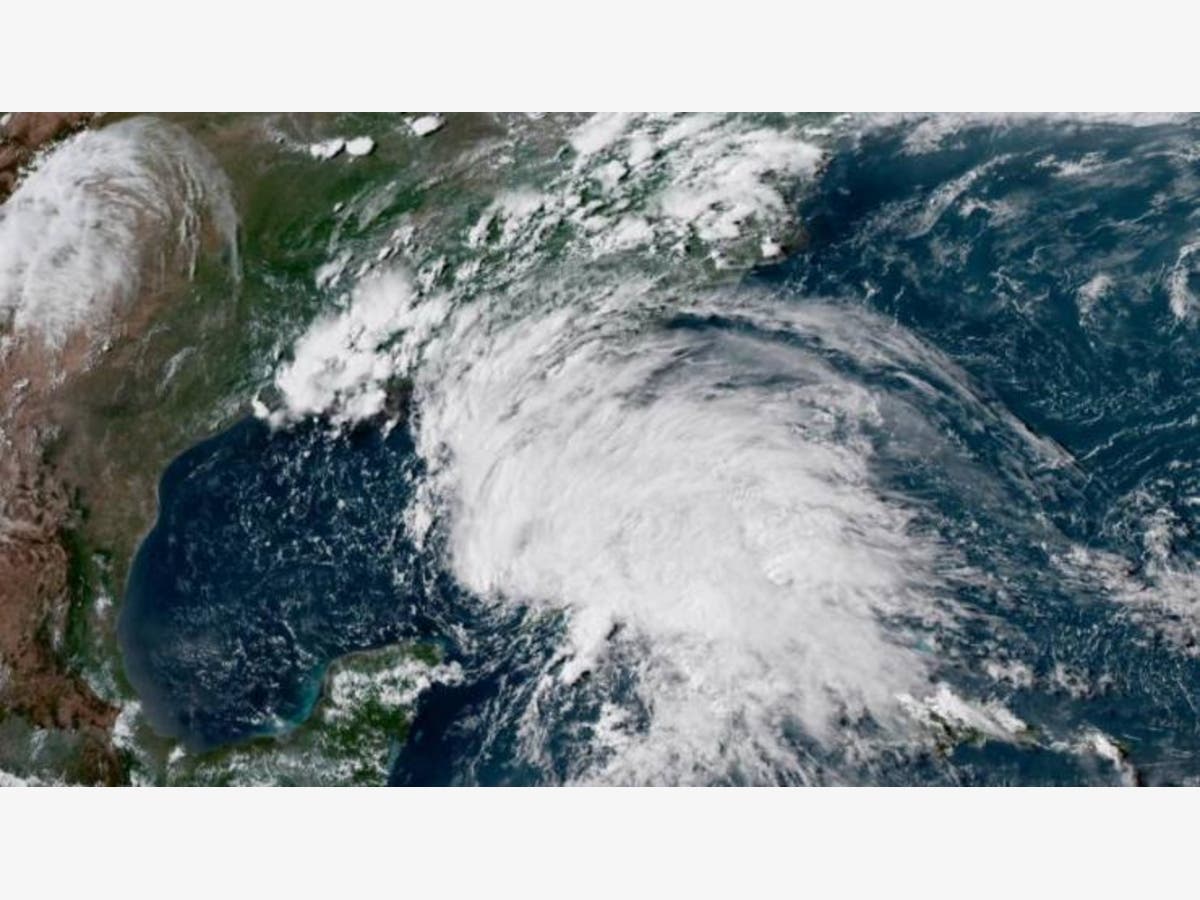
CHARLOTTE, NC — Rescue crews from the Charlotte metro region are headed to western North Carolina Wednesday after after heavy rains, flooding and landslides prompted evacuations.
Charlotte Fire Department deployed a 16-person water rescue team, it said Wednesday morning.
More than six inches of rain fell in western North Carolina May 29, with more rain expected Wednesday, the National Weather Service said. Flash flood warnings were issued in Buncombe, Henderson, Polk, Rutherford, Burke, Caldwell and McDowell counties, according to North Carolina Emergency Management. By early Wednesday morning, rising water prompted an evacuation order in McDowell County, which lies about two hours northwest of Charlotte.
Find out what's happening in Charlottefor free with the latest updates from Patch.
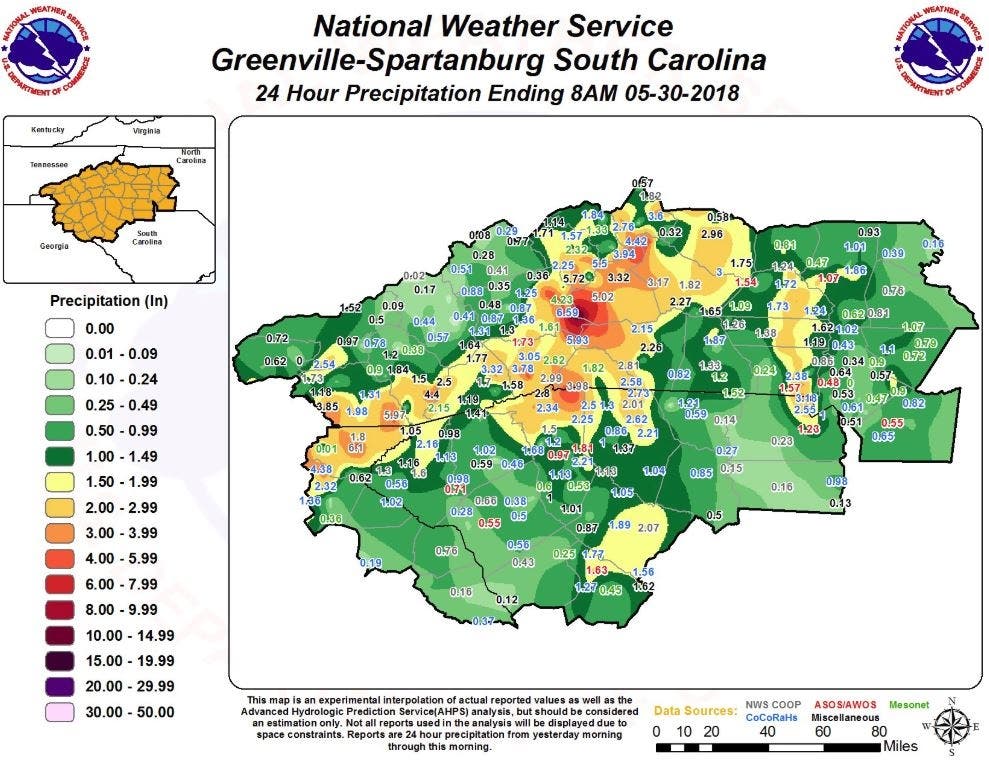
The order to evacuate the area below Lake Tahoma is in place until its dam, which is believed to be compromised by a landslide, can be inspected.
Around midnight, there were reports that water was spilling around the sides of the dam, according to the Charlotte Observer.
Find out what's happening in Charlottefor free with the latest updates from Patch.
Just to illustrate how serious the flooding is in western NC: Water swept an NCDOT tandem dump truck off the road overnight in McDowell County. Two people were rescued. Stay off the roads and avoid flooded areas. If you see standing water, turn around. https://t.co/pLCADeCNJN pic.twitter.com/EnDSZmuoVM
— NCDOT (@NCDOT) May 30, 2018
CFD has deployed a 16-person water rescue team to the western part of NC to assist in response to heavy rains and flooding. pic.twitter.com/e08xi7JZqk
— Charlotte Fire Dept (@CharlotteFD) May 30, 2018
North Carolina's Department of Transportation offers these tips for driving in wet weather:
- Stay off the roads. If you must drive, be sure your tires and brakes are in good working condition.
- Allow yourself more time to get where you're going. Drive at least 5 to 10 mph slower than the speed limit on wet pavement.
- Stay alert and be ready for sudden stops. Allow at least twice the normal following distance between vehicles.
- Signal for turns and brake earlier than usual as you near a turn or stop.
- Be patient and do not pass lines of traffic.
- Turn on your headlights, as required by North Carolina law, while using your windshield wipers – regardless of the time of day.
- Turn on your low-beam headlights and use the defroster to increase visibility – regardless of whether it is day or night. High beams, or "brights," could reflect off fog and decrease visibility.
- Avoid driving through pools of standing water – even if they seem shallow. Water could be covering road hazards, such as holes, fallen power lines or debris.
- Also avoid flooded areas. A foot of water, for example, can cause vehicles to float, while 2 feet of rushing water can carry away vehicles, including SUVs and pick-up trucks.
- If your vehicle begins to hydroplane – when your tires glide across the surface of water on a road – take your foot off the gas and apply the brakes in a steady, slightly firm manner (don't stomp on them). Then steer in the direction of the skid.
- For manual transmissions, push in the clutch and let the vehicle slow down on its own.
- For automatic transmissions, hold the steering wheel steady and lightly apply the brakes.
- For vehicles with antilock brakes, apply more steady pressure to the brakes, but avoid pumping them.
Photos via National Weather Service
Get more local news delivered straight to your inbox. Sign up for free Patch newsletters and alerts.