Schools
College Partying: How NC Ranks In Drug, Booze Arrests
Some colleges and universities favor disciplinary action over criminal charges in drug- and alcohol-related offenses among students.

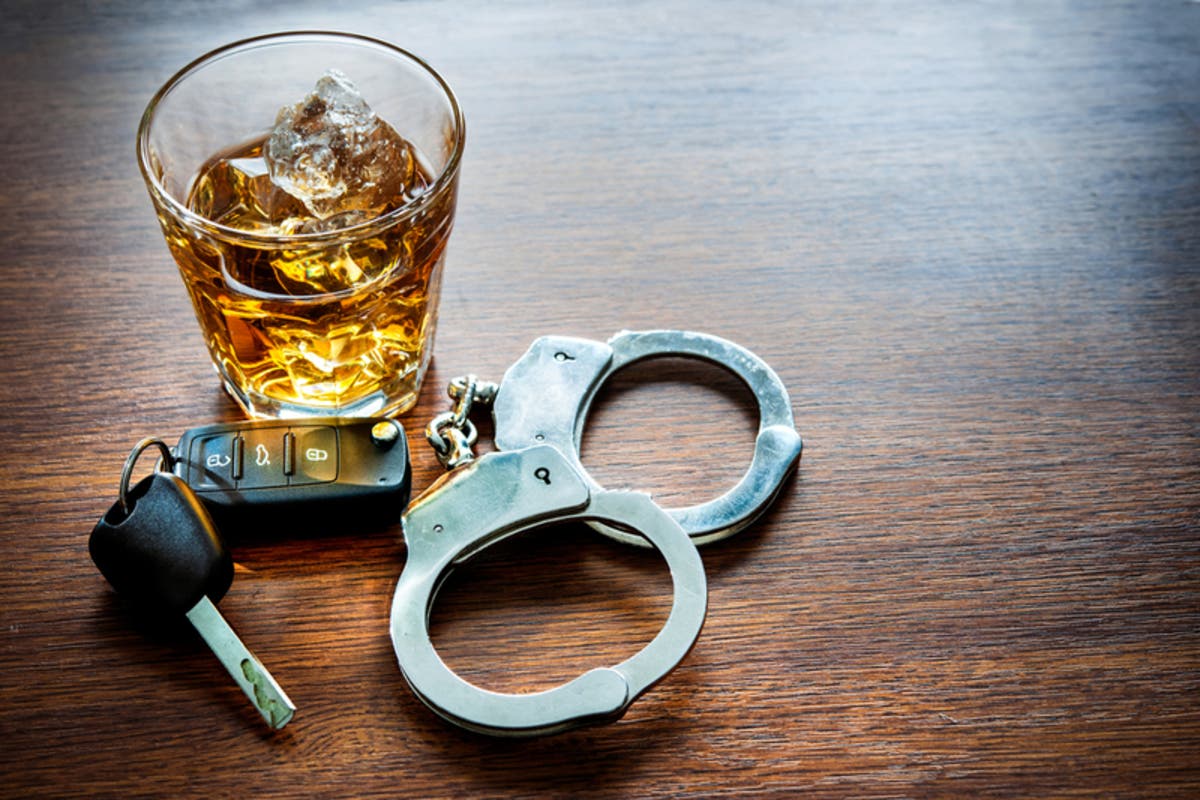
Campus towns — and their waterholes — are filling up across the country as a new semester begins. Parents, do you have bail money? Partying is often seen as an essential feature of the college experience, but a new study shows partiers are more likely to be arrested at some campuses than others. (We’re looking at you, Wyoming, where 17 in every 1,000 students are arrested for alcohol or drug-related offenses.)
At No. 13, North Carolina ranks high on the index compiled by Project Know, an initiative of American Addiction Centers Inc., which provides residential and outpatient addiction treatment services. The report uses 2016 U.S. Department of Education data to track which colleges and universities are taking a law enforcement approach to control drinking and drug use.
The report also said that per 1,000 students, North Carolina reported 2.8 on-campus drug arrests and 2 on-campus alcohol arrests.
Find out what's happening in Charlottefor free with the latest updates from Patch.
Underpinning the use of alcohol and drugs on college campuses is the question of whether intoxication is a precursor to sexual assault and other forms of campus violence, the authors said. In a typical week, about 60 percent of college students nationwide binge drink, according to the National Institute on Alcohol Abuse and Alcoholism.
That can lead to some risky behavior and life-altering consequences.
Find out what's happening in Charlottefor free with the latest updates from Patch.
About 696,000 students between 18 and 24 reported an assault by another student who had been drinking, and 97,000 reported experience alcohol-related date rape or sexual assault in a NIAAA study published in late 2015. That study also showed that about 1,825 students in that age bracket die annually in alcohol-related car crashes.
Other rural states joined Wyoming at the top of the rankings in law enforcement response to campus substance abuse, according to the Project Know study authors. Both South Dakota and West Virginia were in the top five — the Mountain State’s inclusion might not be a big surprise, given that its flagship university, West Virginia University, ranked second in a ranking earlier this year of the country’s top party schools, and even the Mountaineers’ mascot was arrested for drunken driving in 2017.
SEE ALSO: Here Are The Top Party Schools In The US
And while Tulane University in Louisiana ranked third on the Princeton Review’s party list and colleges and universities in the South in general have a hard-partying reputation, the per capita arrest rate for drug- and alcohol-related offenses remained relatively low in that part of the United States.
Institutions vary considerably in their approaches to alcohol- and drug-related offenses among members of their student bodies. Shippensburg University in Pennsylvania had the highest rate of arrests on campus with more than 29 per 1,000 students. Penn State, where the 2017 hazing death of fraternity pledge Tim Piazza brought more attention to binge drinking, rounded out the top five schools for alcohol- and drug-related arrests.
The approach in some states is to discipline rather than arrest students for violating drug- and alcohol-related violations. Vermont led in this regard, which may reflect the University of Vermont’s decision to address substance abuse proactively rather saddle students with criminal records. The Northeast saw a concentration of institutions favoring that approach.
However, the University of Vermont wasn’t the leader among colleges and universities taking a disciplinary rather than legal approach. The top five were Plymouth State University in New Hampshire, the University of California-Santa Cruz, Boston College, Gonzaga University in Washington and the University of Tampa.
“Interestingly, schools in the South recorded relatively few disciplinary actions,” the study authors wrote. “Recall this area of the country also had surprisingly few recorded arrests as well. Perhaps hard-partying students at these schools tend to consume alcohol and drugs off campus, so the school is none the wiser when law enforcement disrupts their antics.”
Here are some more findings:
The states with the largest increases over time in alcohol- or drug-related arrests on college campuses were Washington, D.C., Louisiana, New York, Utah and Missouri, respectively.
The states with the largest decreases over time in alcohol- or drug-related arrests on college campuses were Alaska, Vermont, Maine, Massachusetts and Illinois, respectively.
The schools that saw the biggest surge in alcohol- and drug-related arrests in 2016 were the University of North Georgia (663 percent), California State University-Sacramento and University of Louisiana (345 percent), and Indiana University Southeast (283 percent), respectively.
The schools that saw the lowest percentage of change in alcohol- and drug-related arrests in 2016 were the University of Wisconsin-Stevens Point and Northeastern University in Massachusetts (-85 percent), University of Rochester in New York (-79 percent), Jacksonville State University in Florida (-78 percent), and University of Dartmouth in Massachusetts (-75%).
Patch national staffer Beth Dalbey contributed to this report.
Photo via Shutterstock / media_digital
Get more local news delivered straight to your inbox. Sign up for free Patch newsletters and alerts.