Health & Fitness
Lyme Disease In Charlotte Metro Region: How Counties Rate
Between 2004 and 2016, tick-borne disease cases doubled in the U.S. and a majority of those cases were Lyme Disease.

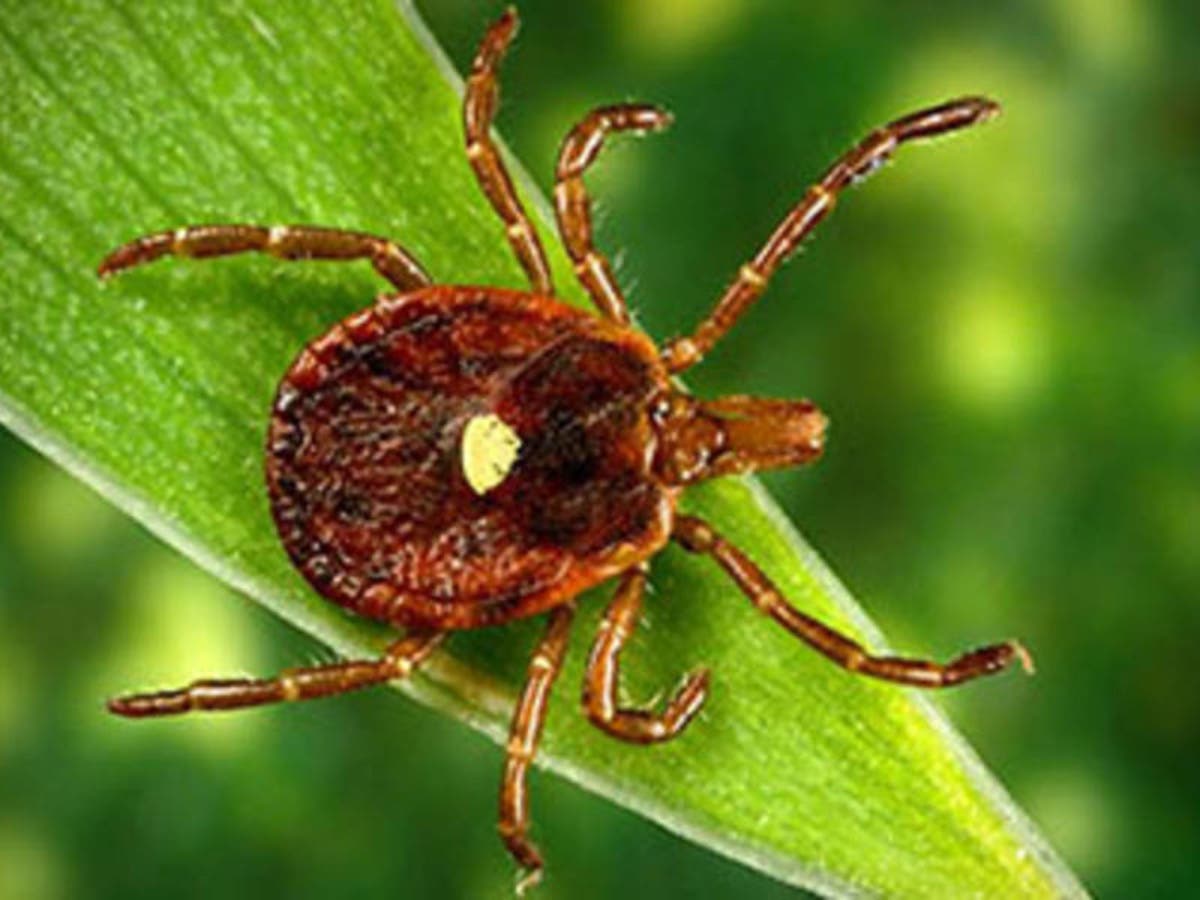
Federal health officials warned this month that tick-related disease cases doubled in the United States between 2004 and 2016 and Lyme Disease accounted for a majority — 82 percent — of all tick-borne diseases reported during that time period. North Carolina was in the top 30 percent of states for tick-borne diseases, coming in at No. 12 in the U.S. for it 9,075 tick-borne diseases cases reported between 2004 and 2016.
According to federal data from the Centers for Disease Control and Prevention, there were 122 reported cases of Lyme Disease in North Carolina in 2004. In 2016, there were 272 reported cases of Lyme Disease in the state.
In North Carolina, between 2004 and 2016, there were 9,075 tick-borne disease cases, according to CDC data. According to the date, North Carolina was No. 12 in the U.S. for tick-borne diseases, which occur throughout the country but predominate in the eastern parts of the country and along the Pacific Coast.
Find out what's happening in Charlottefor free with the latest updates from Patch.
(Sign up for our free daily newsletters and Breaking News Alerts for the Charlotte Patch. Access Patch on the go with our iPhone app or our brand new app for Android phone users.)
Below are the reported number of cases for counties in the Charlotte metro region between 2004 and 2016, the period during which the CDC notes a doubling in tick-borne diseases:
Find out what's happening in Charlottefor free with the latest updates from Patch.
- Mecklenburg County: 72
- Iredell County: 42
- Cabarrus County: 16
- Lincoln County: 26
- Gaston County: 13
- Union County: 36
SEE ALSO: Tick-Borne Diseases On The Rise In NC, Elsewhere In US: CDC
The CDC notes that there are limitations to this data for a number of reasons. First, the CDC says not all cases of Lyme Disease are reported to the agency and some Lyme Disease cases that are reported may be due to another cause. The CDC also says states close their annual surveillance dataset at a different time than the CDC so the final counts published by them may not precisely match the figures provided by the state. Finally, the county figures represent the residence of the person with a reported case of Lyme Disease and not where that person was exposed.
Here are some steps you can take to prevent yourself from being bitten by a tick (via the NYC Department of Health and Mental Hygiene)
- Stay on cleared paths and hiking trails when walking in heavily wooded areas.
- Wear light-colored, Permethrin-treated clothing to allow you to better see ticks that crawl on your clothing. Wear long-sleeved shirts and tuck your pant legs into your socks so that ticks cannot crawl up the inside of your pant legs.
- Apply repellents containing DEET to prevent ticks from attaching.
- Check for ticks on your body and clothing after returning from wooded, brushy, or tall, grassy areas and remove any ticks you find on you, your child or your pet.
- Keep in mind that young ticks are very small (about the size of a poppy seed), so seek help to inspect not easily reachable areas. Be sure to look carefully in areas of the body where hair is present, since it may make it difficult to see the ticks. Adult ticks are about the size of an apple seed.
- Shower after being in an area with ticks, and promptly put clothes in a dryer on high heat to kill ticks.
- Speak to your vet about tick prevention products for your pet dogs and cats.
- Remove leaf litter and debris to reduce the likelihood of ticks around the home.
- If you get a rash or a fever, let the doctor know if you may have been exposed to ticks, even if you don't remember having a tick bite.
Based on reporting by Patch Editor Feroze Dhanoa
Photo courtesy of the Centers for Disease Control and Prevention
Get more local news delivered straight to your inbox. Sign up for free Patch newsletters and alerts.