Politics & Government
Supreme Court Refuses To Hear NC Prayer Case
The decision leaves in place a lower court ruling that Rowan County commissioners' prayer before meetings is unconstitutional.

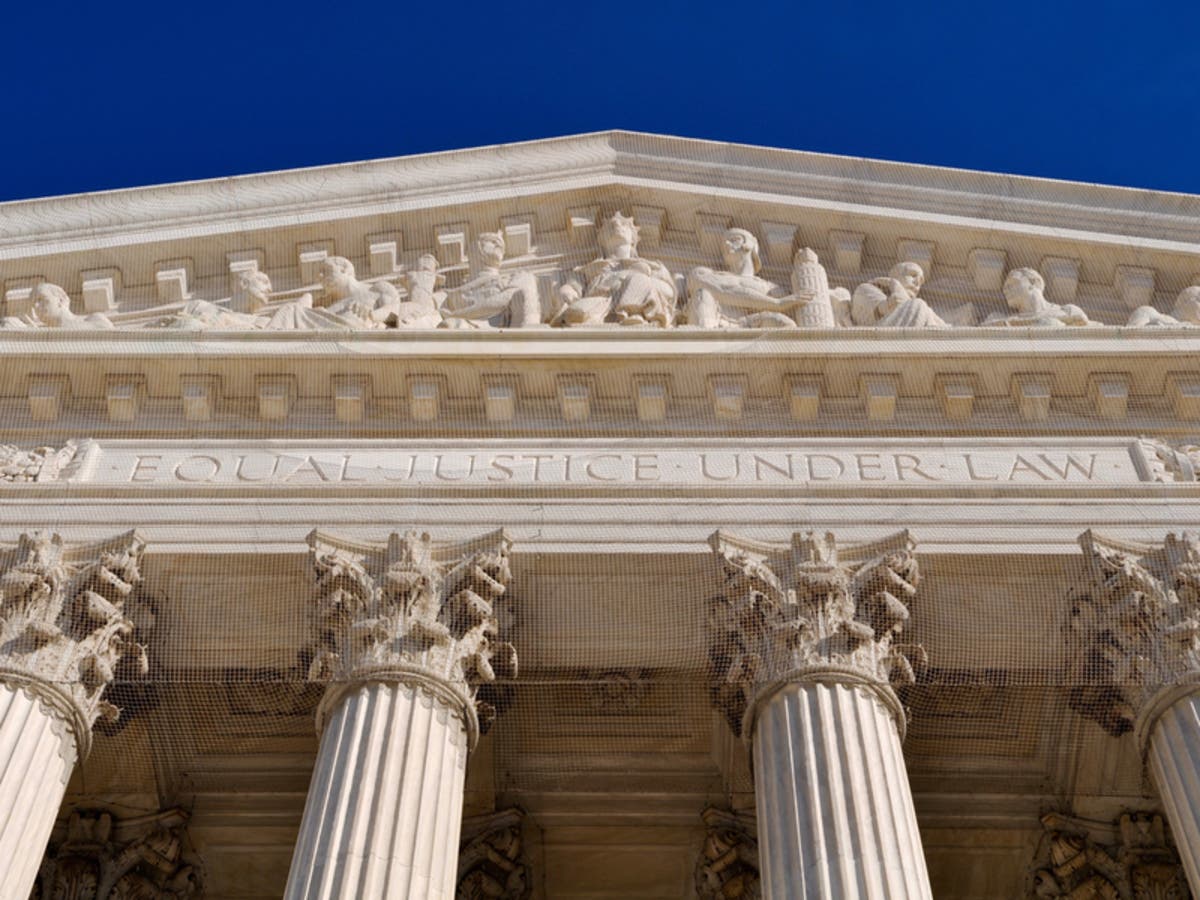
ROWAN COUNTY, NC — The U.S. Supreme Court said Thursday it would not review a Federal court’s findings that the Rowan County Board of Commissioners’ routine use of Christian prayer before meetings is unconstitutional. The decision to not hear the case means the Rowan County commission has exhausted all its appeal options.
It’s been less than a year since the U.S. Court of Appeals ruled the prayer routinely used by Rowan County commissioners before meetings was unconstitutional. The Fourth Circuit Court of Appeals in Richmond, Va., ruled 10-5 in favor of the American Civil Liberties Union, which had brought the case on behalf of three residents who felt the commission's prayer practice before official meetings was coercive.
“The commissioners had instructed those present to stand and join in the prayer, leading many residents to feel coerced and pressured into doing so,” ACLU said in a statement.
Find out what's happening in Charlottefor free with the latest updates from Patch.
(For more news like this, find your local Patch here. If you have an iPhone, click here to get the free Patch iPhone app; download the free Patch Android app here.)
SEE ALSO: Federal Court Strikes Down Prayer Before Commission Meetings in North Carolina
Find out what's happening in Charlottefor free with the latest updates from Patch.
The commission, which said the prayer case was a freedom of speech issue, decided in September to take the case to the Supreme Court. “Making someone feel uncomfortable is not coercion,” said commission Vice Chair Jim Green
The ACLU said the Supreme Court’s decision to decline to hear the case is a victory from religious coercion from government officials. “People who attend public meetings should not have to fear that government officials may force them to participate in a prayer—or discriminate against them if they don’t,” said Chris Brook, legal director for the ACLU of North Carolina, who argued the case at the district and circuit court.
Photo via Shutterstock
Get more local news delivered straight to your inbox. Sign up for free Patch newsletters and alerts.