Weather
Tips for Tornado Safety Ahead of Severe Storms In Carolinas
Strong storms are moving through the Carolinas. Here's what you need to know to be weather aware.

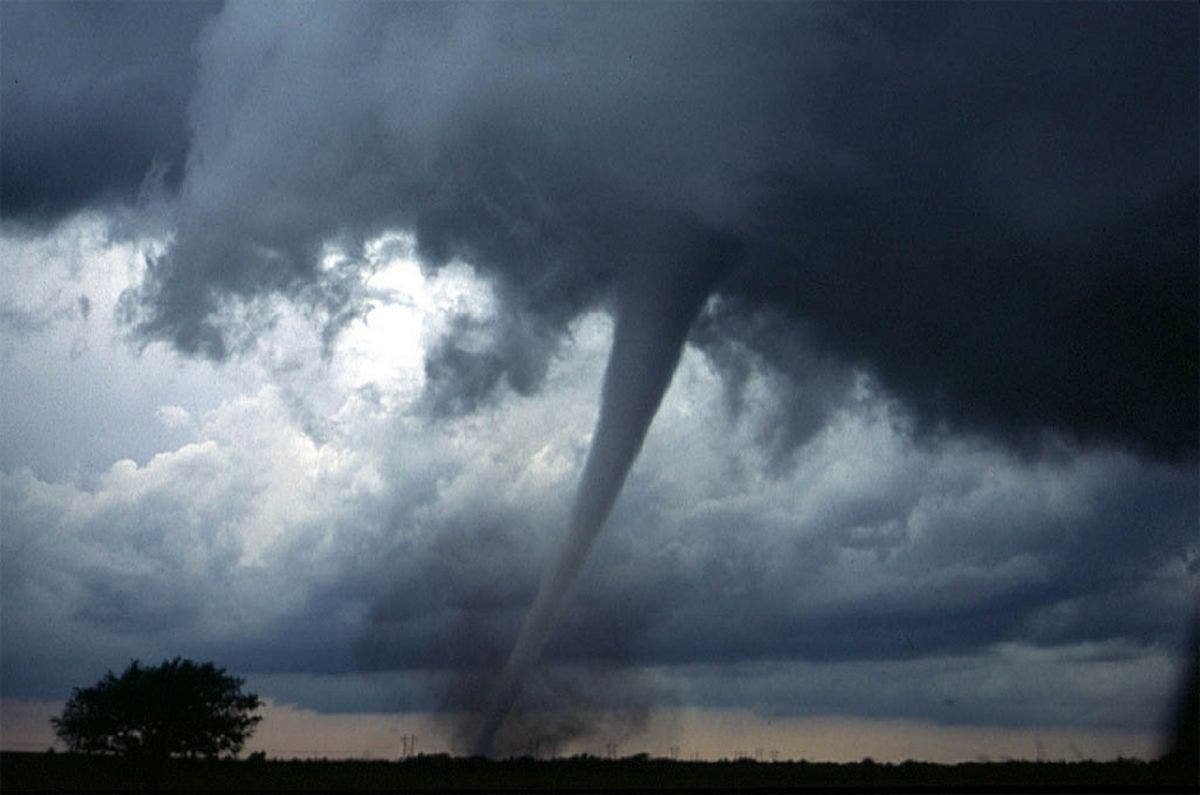
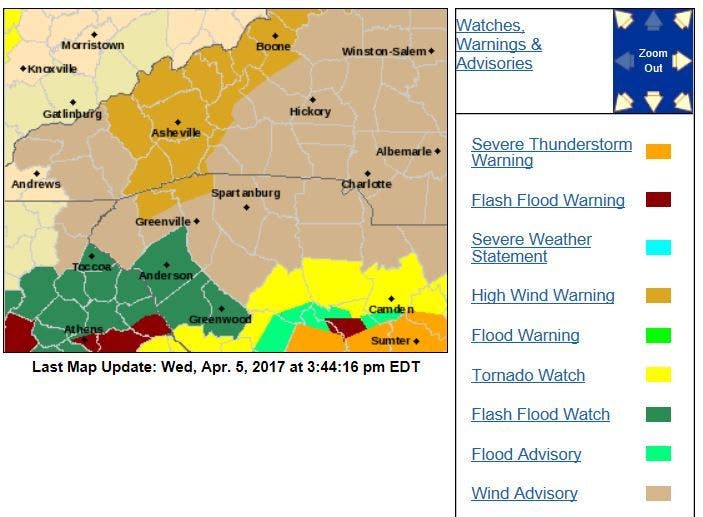
CHARLOTTE, NC -- Severe weather began ripping through the south Wednesday, prompting concerns about potential for tornadoes in the Carolinas. Before the a major weather event springs up in your neck of the woods, however, take time to put together an emergency game plan in case your family needs to find shelter during a storm or tornado. The easiest place to start, say emergency officials, is to make sure flashlights have fresh batteries, your cell phones are charged and your vehicles have plenty of gas.
Knowing the difference between a Tornado Watch and Tornado Warning are also important.
Sign up for our free Daily Newsletters and Breaking News Alerts for the Charlotte, NC Patch
Find out what's happening in Charlottefor free with the latest updates from Patch.
Find out what's happening in Charlottefor free with the latest updates from Patch.
Tornado Watch
A Tornado Watch means that conditions are favorable for tornado development. People located in and around the watch area should keep an eye toward the sky and listen to their NOAA weather radio or tune to local broadcast media for further weather information. The watch is intended to give you time to prepare and review your safety rules.
Tornado Warning
A Tornado Warning means that a tornado has been detected by the National Weather Service Doppler radar or a reliable report of a tornado has been reported from the field. A tornado warning is usually issued for portions of one or two counties for an hour or less. The storm could also produce large hail and destructive straight line winds. If the tornado warning includes your neighborhood or work place, you should seek safe shelter immediately.
Severe Weather Preparedness
Here are some tornado safety rules to keep your family safe:
Get as low as you can. A basement below ground level or the lowest floor of a building offers the greatest safety. Put as many walls between yourself and the outside as possible. Avoid windows at all costs.
Do not waste time opening or closing windows and doors. It will not protect the structure. Use that time to find a safe place.
Go to the basement or a small interior room such as a closet, bathroom or an interior hall on the lowest level. Close all doors to the hallway for greater protection. Get under something sturdy like a heavy table. Protect yourself from flying debris with pillows, heavy coats, blankets, or quilts. Use bicycle or motorcycle helmets to protect your head.
If you are inside a mobile home, leave well before severe weather reaches your area and go to a strong building. If there is no shelter nearby, get into the nearest ditch, low spot or underground culvert. Lie flat, covering your head with your hands for protection.
If you are in a vehicle or outdoors when tornadoes are possible, stay close to a sturdy shelter. If caught outside, find shelter in a ditch or remain in your vehicle and cover your head for protection. Do not take shelter under a highway overpass, where wind speeds can increase due to a tunneling effect.
Before the storm...
Review your Severe Weather Safety Plan.
What actions will you take when a watch is issued? What about a warning?
Remember damaging straight line winds can cause as much damage as a weak tornado.
Do you know where your weather shelter/safe room is located?
Check Severe Weather Alerting and Notifications.
Do you have multiple ways of receiving severe weather information? Will one of those ways wake you if asleep?
Is your NOAA Weather Radio programmed correctly with fresh batteries?
Monitor NOAA Weather Radio and weather.gov as well as local media outlets for the latest forecast information for your area.
In Case of Power Outages
Report an outage for your home on Duke Energy’s website.
Call the utility at 1-800-769-3766.
En Español 1-866-427-2466.
Electrical Safety Reminders
Never touch any downed wire or low hanging wires. Telephone or cable TV wires that touch a power line can be deadly. You can also contact local authorities or 911.
Never try to make your own electrical repairs. Let their crews do dangerous work.
Never pull tree limbs off power lines yourself.
Never go into areas with debris or downed trees. Dangerous power lines may be buried in wreckage.
Never go near chain link fences. Dangerous lines may touch the metal.
Never step in puddles. They may be electrified.
Never connect portable generators to your household electrical wiring. Connect only essential appliances - freezers and refrigerators - directly to a generator.
Never walk into areas where crews are at work. If you're driving near work crews, obey road signs and proceed cautiously.
Images via Pixabay, National Weather Service
Get more local news delivered straight to your inbox. Sign up for free Patch newsletters and alerts.