Community Corner
Where Indigenous People Once Lived In Charlotte: Map
As friends and family gather for Thanksgiving, remember the people who lived in the Charlotte metro region long before you.

CHARLOTTE, NC — As your friends and family observe Thanksgiving this year, it’s good to pause and remember the indigenous people who once lived in the Charlotte and Lake Norman region long before you. It was no coincidence that Native American populations declined as Europeans came to the New World, and luckily, you don’t have to sift through historical records or textbooks anymore to figure out exactly who to recognize. There’s now an interactive map where you can plug in an address and see exactly who used to live there.
According to the site Native-Land.ca, run by Victor Temprano, Catawba once lived in what is now Charlotte. Elsewhere in North Carolina major indigenous peoples included Lumbee, Cheraw and Cherokee.
The creators noted the map is a work in progress and doesn’t represent official or legal boundaries of any indigenous nations. The federal government officially recognizes nearly 600 Native American tribes in the continental United States and Alaska, and scholars estimate that between 900,000 and 18 million people lived north of the Rio Grande before Christopher Columbus landed in North America, according to Encyclopaedia Britannica. So coming up with definitive or exact boundaries is quite a difficult task. What’s much less murky is what happened to those indigenous peoples.
Find out what's happening in Charlottefor free with the latest updates from Patch.
While the death toll varies widely, some experts have suggested that the total Native American population size plummeted by more than 90 percent through war, enslavement, societal disruption and — especially — widespread epidemic disease, including smallpox and measles.
(For more news like this, find your local Patch here. If you have an iPhone, click here to get the free Patch iPhone app; download the free Patch Android app here.)
Find out what's happening in Charlottefor free with the latest updates from Patch.
If you plan to recognize any or all of these indigenous peoples, consider one North Carolina educator’s advice of what not to do.
“Teachers! Repeat after me: I will not have my students make ‘Indian’ feathers/clothes,” tweeted Lauryn Mascareñaz, a director in the Wake County school system’s Office of Equity Affairs. “I will not culturally appropriate an entire people for ‘cute’ activities.“I will tell my students the truth about this country’s relationship with Indigenous people. #PinterestIsNotPedagogy”
Her tweet received about 4,000 likes by Tuesday afternoon and was retweeted about 1,200 times.
Indeed, stereotypes and racist portrayals of indigenous peoples “fill U.S. elementary schools each November,” according to Lindsey Passenger Wieck, public history graduate program director at St. Mary’s University in San Antonio. In an article on Medium, she writes that students routinely encounter historically false portrayals in arts and crafts, books and lessons, and songs and plays with “hand-crafted headdresses and vests.”
She called these activities problematic because they show Native people in an ahistorical manner and perpetuate myths about how they encountered colonials.
“These representations of Native peoples are harmful because they compress all Native peoples into a single image of ‘the Native American at Thanksgiving,’ ” wrote Wiek. “These depictions overlook the immense diversity of Native peoples in North America, while also turning contemporary Native peoples and identities into costumes to be worn.”
Americans should “de-romanticize” the holiday, she said, by “engaging Native perspectives that recognize the diversity of Indigenous peoples and their contemporary presence in 21st-century America.”
She suggests adults teach kids using children’s books such as Sally Hunter’s “Four Seasons of Corn: A Winnebago Tradition.” This will allow them to look at historical methods of subsistence and see how some continue even today. Teachers, she said, can look at Thanksgiving myths with students and older kids can even study how Native Americans are responding to the holiday today.
Patch national staffer Dan Hampton contributed reporting.
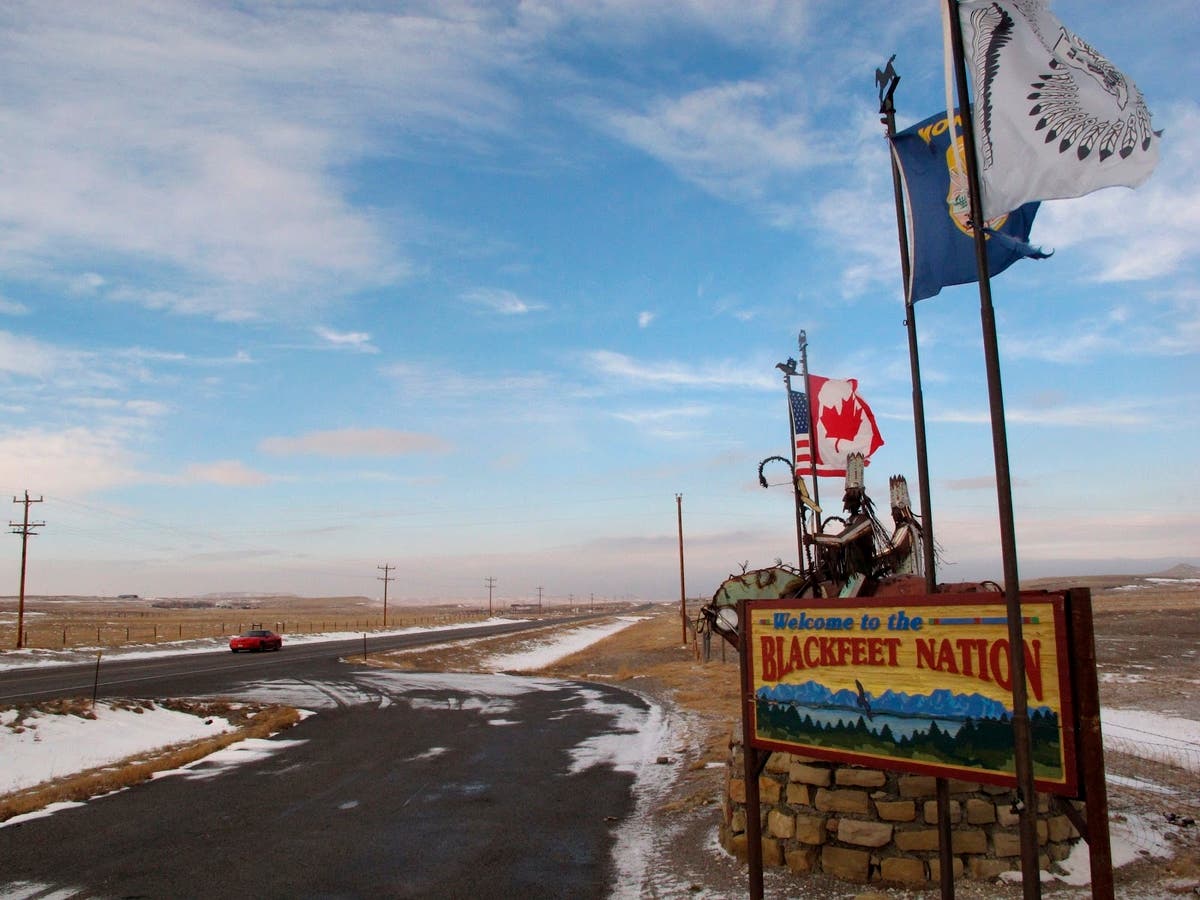
Photo: This Dec. 12, 2012 file photo shows a sign welcoming visitors to the Blackfeet Indian reservation in Browning, Montana. Montana might be known internationally for such recreational jewels as Glacier and Yellowstone national parks, but Native Americans say the state is losing an opportunity by failing to develop and promote its vast tribal lands as tourist destinations. (AP Photo/Matt Volz, File)
Get more local news delivered straight to your inbox. Sign up for free Patch newsletters and alerts.