Community Corner
Asian Carp Prevention Study To Be Released: 3 Things To Know
Asian carp pose a serious threat to Ohio's and Lake Erie's $1.8 billion tourism and fishing industries.


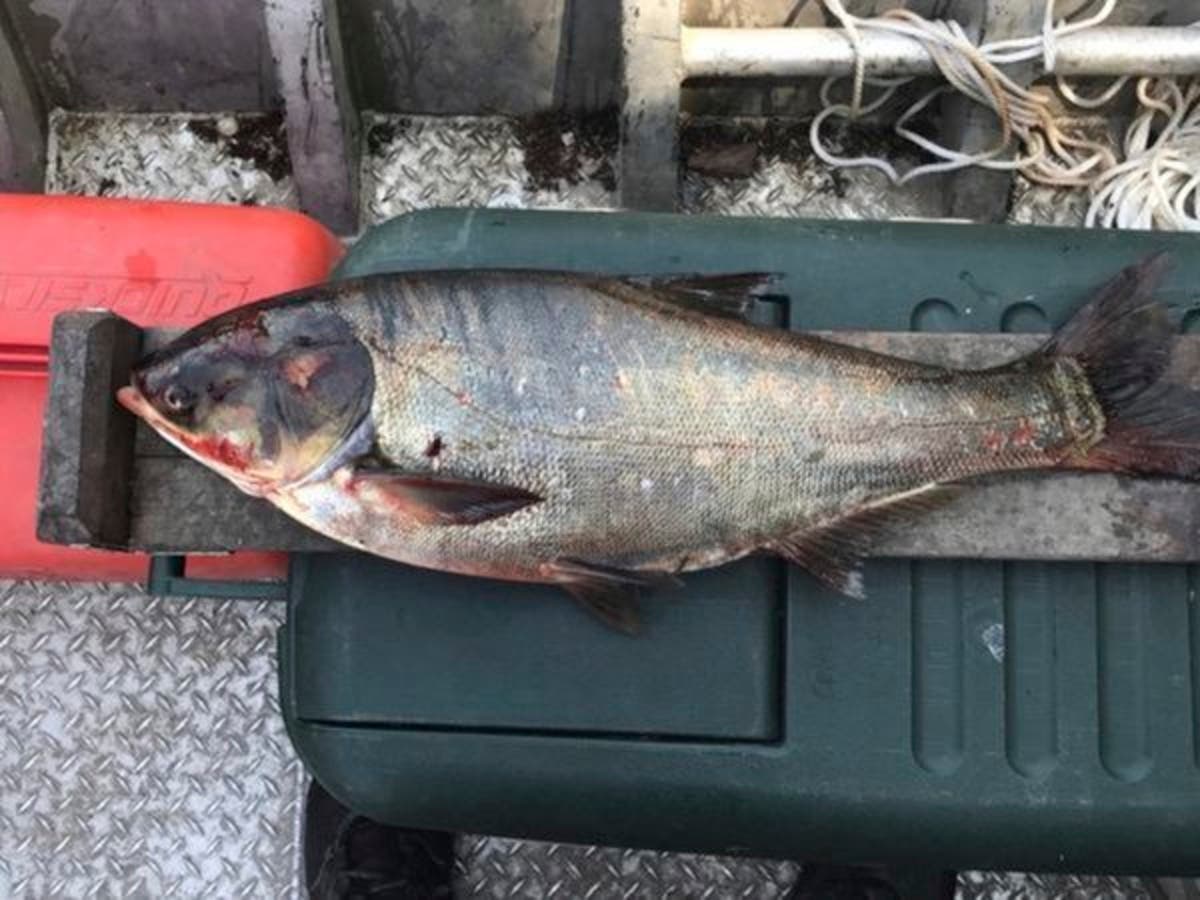
CLEVELAND, OH — On June 23, an Asian carp was found nine miles from Lake Michigan. The creature had somehow managed to get past the U.S. Army Corps of Engineers (USACE) river-based electric barrier and approach the Great Lake. That discovery terrified Great Lakes-based businesses throughout the region, including companies in Ohio.
Soon after, Ohio politicians discovered USACE was sitting on a study discussing myriad options for halting the progress of Asian carp. For some reason, the agency was refusing to release the report. So Ohio politicians — Democrats and Republicans — joined forces to apply pressure.
Ohio Attorney General Mike DeWine wrote a letter to the USACE leader, calling the corps' delay "unacceptable." Democratic Representative Marcy Kaptur, OH-9, said the corps' decision to withhold the report was "purely political" and said both the corps and the federal government "can’t bury their heads in the sand."
Find out what's happening in Avon-Avon Lakefor free with the latest updates from Patch.
It appears the political squeeze worked. The US Army Corps of Engineers announced it would release the "Brandon Road Study" (aka the Asian carp prevention study) on Aug. 7, 2017. (To stay up to date on local stories, subscribe to the Patch Avon-Avon Lake newsletter. As news breaks and the story develops, you will be the first to receive updates from Patch.)
"I am pleased that the U.S. Army Corps of Engineers is finally taking this study off the shelf so we can address the urgent issue of Asian carp coming into our Great Lakes," Kaptur said in a statement. "The Brandon Road Study is but one of many important steps to ensure we are doing all we can to protect our Lakes from this voracious predator."
Find out what's happening in Avon-Avon Lakefor free with the latest updates from Patch.
Why Is A Fish So Scary?
How can a fish inspire so much fervor? More importantly, why is everyone so scared of Asian carp?
The Asian carp is an invasive species. The fish are fast-growing, adaptable and very hungry. For native species in the Great Lakes, that means Asian carp can out-compete them for resources; meaning that shortly after Asian carp are introduced into an ecosystem they drive off or kill other species (like walleye and perch), muting biodiversity.
"Asian Carp present an immediate, serious threat to Ohio families. Lake Erie is a source of drinking water for 3 million Ohioans, provides 124,000 jobs to Ohioans, and generates $1.8 billion in tourism revenue to the State of Ohio," DeWine said in his letter. "Should Asian Carp reach the Great Lakes, they will devastate the economic and natural resources of Lake Erie and Ohio."
Why The Holdup?
Why didn't USACE just release the study? The answer seems to be political.
The report was originally scheduled to be released at the beginning of 2017, but it never materialized.
The Trump administration seemed keen on gutting funding to Great Lakes preservation programs, including those that blocked the spread of Asian carp into the region, the Chicago Tribute reported. As a result, the administration was refusing to release the report on new methods for preventing the spread of the fish.
For its part, the Rock Island USACE office, where the report originated, told Patch through a spokesperson in late June the report was in draft form. The spokesperson said the agency was waiting on "coordination from several levels of government" before releasing the report.
"Several different agencies need to see the report," the spokesperson said.
A spokesperson for the Great Lakes Office of the U.S. Army Corps of Engineers (USACE) said the letter had not been directed to their office, and declined further comment.
The report in question originated from the Great Lakes and Mississippi River Interbasin Study (GLMRIS). That study recommended prevention as the number one tactic for fighting the spread of Asian carp into the Great Lakes.
Dewine said in his letter that if Asian carp manage to reach the Great Lakes, it may already be too late.
Not everyone feels the alarm sirens are blaring quite yet.
Charlie Wooley, Midwest deputy regional director for the U.S. Fish and Wildlife Service, said in an interview that the discovery of the Asian carp on June 23 is concerning, but should not be panic-inducing.
"This is concerning but it's not a three-alarm fire right nowand we don't expect it to be," he said in an interview.
Photo credit: Illinois Department of Natural Resources via AP, Jim Weber/The Commercial Appeal via AP
Get more local news delivered straight to your inbox. Sign up for free Patch newsletters and alerts.