Politics & Government
Toxic Algae In Lake Erie: Lawmakers Want Coordinated Clean-Up
"Toxic blooms harm human health and cause several billion dollars in economic losses each year," lawmakers wrote.


AVON LAKE, OH — Less than a month after a state plan to clean up Lake Erie was released, two Northeast Ohio politicians are leading the fight against toxic algae blooms. Representatives Marcy Kaptur, Democrat from Ohio's 9th District, and David Joyce, Republican from Ohio's 14th District, sent a letter to the Office of Management and Budget Director, Mick Mulvaney, urging more funding to combat the algae blooms.
“Toxic blooms harm human health and cause several billion dollars in economic losses each year. While we have made significant advances in our understanding of where, when and why blooms occur, we must improve our ability to mitigate their impacts on our communities. We strongly support investment in science, research, and management to increase our capacity to forecast, detect, and prevent HABs, as well as to lessen their impacts on human health and economies across the country,” the lawmakers wrote.
Kaptur and Joyce were two of 53 lawmakers that signed the letter. The group noted the severe economic impact algae blooms can have on a region.
Find out what's happening in Avon-Avon Lakefor free with the latest updates from Patch.
Nearly 40 percent of all lakes nationwide contain toxic algae, according to a study from the EPA, the United States Geological Survey and the National Oceanic and Atmospheric Administration. However, studies used to detect these harmful algae blooms are "inadequate to detect all toxins" according to the letter from lawmakers.
Over the past four years, there have been several national incidents involving harmful, toxic algae blooms. In 2014, residents near Toledo were unable to drink their water for three days after a microcystin bloom in Lake Erie impacted municipal water.
Find out what's happening in Avon-Avon Lakefor free with the latest updates from Patch.
Toxic algae caused a public health emergency in 2016 in New England, leading to a massive shellfish recall. The toxicity level of the shellfish were 10 times the allowed limit. The toxic substance found there caused brain damage in humans.
Other incidents impacted California, Alaska and Florida.
“To make the necessary progress toward understanding and addressing the significant and expanding threats that toxic algae pose to human health and our national economy, we ask that you prioritize a strong and coordinated federal response in this year’s budget request with robust funding allocated for HAB-related work,” the lawmakers wrote.
The letter from lawmakers comes less than a week after several of Ohio's most prominent environmental groups united to criticize a plan to clean up Lake Erie. That plan, the group said, failed to go after the real cause of harmful algae blooms — farming.
"We need to develop a roadmap back to a blue lake," Kristy Meyer, of the Ohio Environmental Council said. "What are the tactics, what are the costs? This is not a real plan for reduction."
Read the full letter from lawmakers by clicking here.
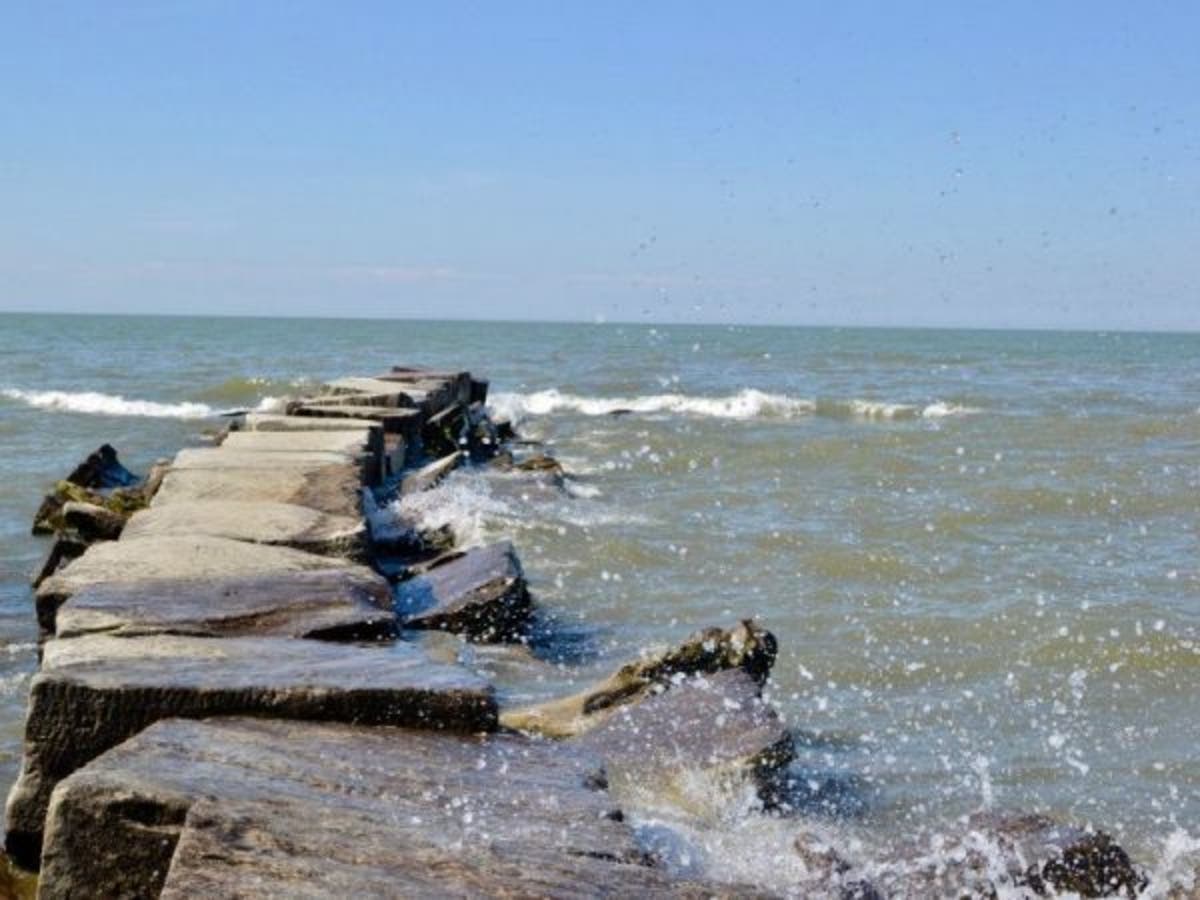
Photo from Rick Uldricks, Patch
Get more local news delivered straight to your inbox. Sign up for free Patch newsletters and alerts.