Schools
Brecksville-Broadview Heights Board of Education Moves Forward With Plans for Levy, Budget Cuts
The board will vote to put the levy on the May ballot in its Jan. 24 meeting.

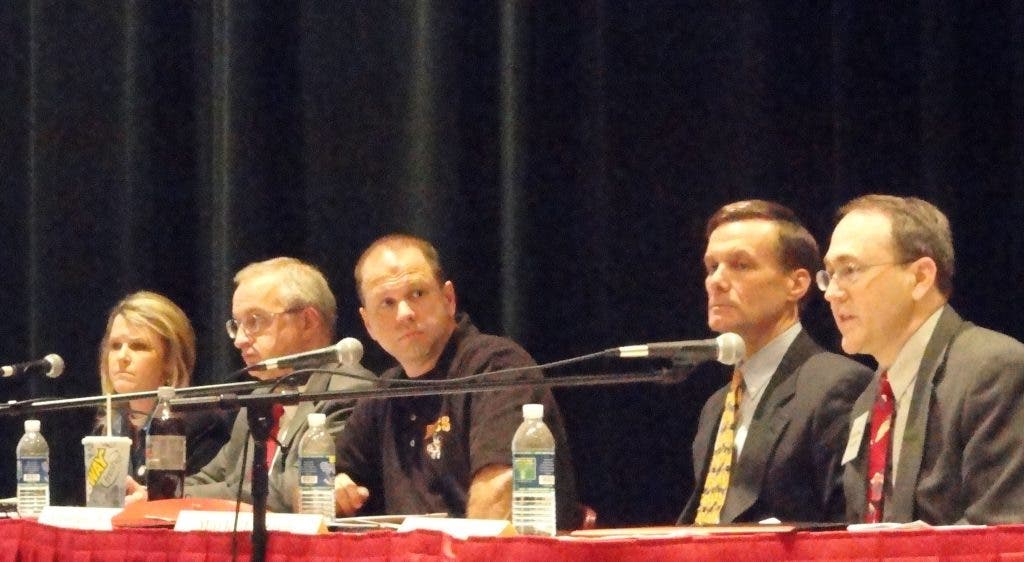
The Brecksville-Broadview Heights Board of Education took the first official step toward putting a five-year, 5.3-mill levy on the May 3 ballot during a special meeting Tuesday night at the high school.
The resolution passed unanimously by the board requests that the Cuyahoga County Auditor certify the amount of money the levy would raise for the district. And in the board’s next meeting on Jan. 24, members will vote to officially send the levy request to the board of elections.
Also in Monday’s meeting, the board will consider a resolution to accept the superintendent’s recommendations for budget cuts in the district. The recommendations, which were based on a wide variety of community and staff input, .
Find out what's happening in Brecksvillefor free with the latest updates from Patch.
Those recommendations represent a new way of doing business in the district. Superintendent Scot Prebles’ recommendation is to have the cuts remain whether the levy passes or fails.
Those cuts, which include the elimination of the 2nd-grade gifted program and a restructuring of the high school schedule, would save the district about $1.5 million. Prebles also recommended that the board lower the pay to participate percentage for families from the 80 percent they pay now to 60 percent, putting more of the cost on the district, and hiring some staff members to alleviate large class sizes at the elementary level. Those additional costs would bring the total district savings from the comprehensive plan to about $1.1 million.
Find out what's happening in Brecksvillefor free with the latest updates from Patch.
Board President George Balasko said he will meet with the superintendent this week to create an official resolution of the recommended budget cuts for the board to vote on. That resolution will break out the two additional costs for the pay to participate and the additional staff, as the board may choose to hinge those decisions on the levy’s passage.
District treasurer/CFO Karen Obratil estimated that each mill would raise approximately $1 million, but noted that final figures won’t be available until the auditor verifies them.
If the levy were to pass, a taxpayer with a home valued at $100,000 would pay about $162 each year. The district will have a levy calculator on its website later today where homeowners can calculate how much the levy would cost their household.
The millage is a bit lower than most of the board members wanted, but Balasko said 5.3-mill levy would give the district a little bit of a financial cushion and still be lower than the previous levies voters had rejected.
Balasko noted that the district wasn’t alone in its financial difficulties. Balasko urged the community to contact legislators and encourage them to seek an overhaul of the state’s funding system for education, calling it “unsustainable.”
“I feel it’s unfortunate that we are here tonight,” Balasko said.
The state’s previous funding system for schools, which had a strong focus on local funding, had been ruled unconstitutional four times in the past twenty years. Former Gov. Ted Strickland’s administration introduced a new funding system for schools as part of the 2010-2011 budget, but it was not fully funded. According to The Columbus Dispatch, Gov. John Kasich said he would repeal Strickland’s model prior to his election.
Member Kathleen Mack said that it is the board’s job to figure out how to protect the district’s programs while saving money.
“It’s not us,” Mack said. “It’s just the broken system.”
Get more local news delivered straight to your inbox. Sign up for free Patch newsletters and alerts.