Community Corner
Why Buy Organic Produce?
Studies show the link between pesticides and disease, so I'm buying organic more often.
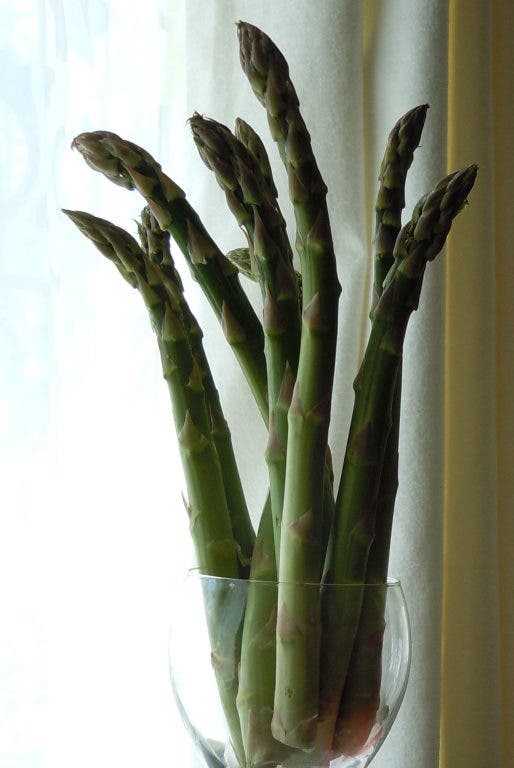
I remember fondly the USDA’s food pyramid of the 1970s, when eating mostly grains was good for us. Now the food pyramid’s been turned on its side to focus on a more plant-based diet.
An apple a day really does keeps the doctor away. But not if it can contain 42 different pesticides including neurotoxins, carcinogens and hormone disrupters!
According to the website for the organization called Pesticide Action Network, strawberries can have 54 different pesticides and peaches can have a whopping 62. This organization uses information from tests done by the USDA and cross-references it with toxicology data from sources like the EPA, providing detailed information on about a hundred different foods.
Find out what's happening in Brecksvillefor free with the latest updates from Patch.
Buy why should we care? Aren’t all these pesticides proven to be safe for us? The Pesticide Action Network says that pesticides in the U.S. are innocent until proven guilty, and sometimes it takes decades to prove the toxicity of some of them.
Their website also points out that there can be a compounding effect that various pesticides can have on one another. Meaning that when they are consumed in small quantities without other pesticides present, they may not be harmful, but that their effect can be more dramatic in the presence of other pesticides or when they build up in the body over time.
Find out what's happening in Brecksvillefor free with the latest updates from Patch.
What other effects can pesticides have? According to the Natural Resources Defense Council, pesticides may be linked to chronic health problems including early-onset Parkinson's disease, shortened attention span, memory disorders, reproductive problems including miscarriages, reduced infant development, birth defects, depression and cancer. And a Harvard University study out last year indicates that children exposed to "allowable" amounts of a common pesticide class called organophosphates are twice as likely to have Attention Deficit Hyperactivity Disorder. The study's summary notes that more research is needed to determine whether that relationship is causal.
But what can we do to protect ourselves? Some suggestions from the Environmental Protection Agency are to wash produce with clean water before eating, to peel fruits and vegetables and to buy food from a variety of sources. While organically grown food is not guaranteed to be totally free of pesticide residues, they can be much better than conventionally grown produce.
Organic food is becoming more common on the shelves of grocery stores, and there are plenty of places in and around Brecksville to buy them, including , and in Fairlawn. Some farmer’s markets have organic selections, including the at Heritage Farms, which is open in the summer.
Buying organic can be expensive, so sometimes it’s wise to be discerning. The Environmental Working Group names the 12 most pesticide-contaminated fruits and vegetables, which they call the “dirty dozen,” and they recommend buying these items organically whenever possible:
- Peaches
- Apples
- Sweet bell peppers
- Celery
- Nectarines
- Strawberries
- Cherries
- Pears
- Imported grapes
- Spinach
- Lettuce
- Potatoes
They have a downloadable shopping guide on their website, that also includes the “clean fifteen," which are generally safe to buy non-organic.
I'm definitely trying to feed my family more fruits and vegetables these days. I just printed out the shopping guide for myself, because although my intentions are good, I know I won't remember this list unless I have it with me. I also know that I can't protect myself or my family from every possible toxin on Earth, but I'm going to do my best.