Neighbor News
Beat a Cyberbully: Here’s How Parents Can Help
Cyberbullying is on the rise, all the more so since COVID-19 forced kids inside beginning last year. Unfortunately, parents feel unequipped.
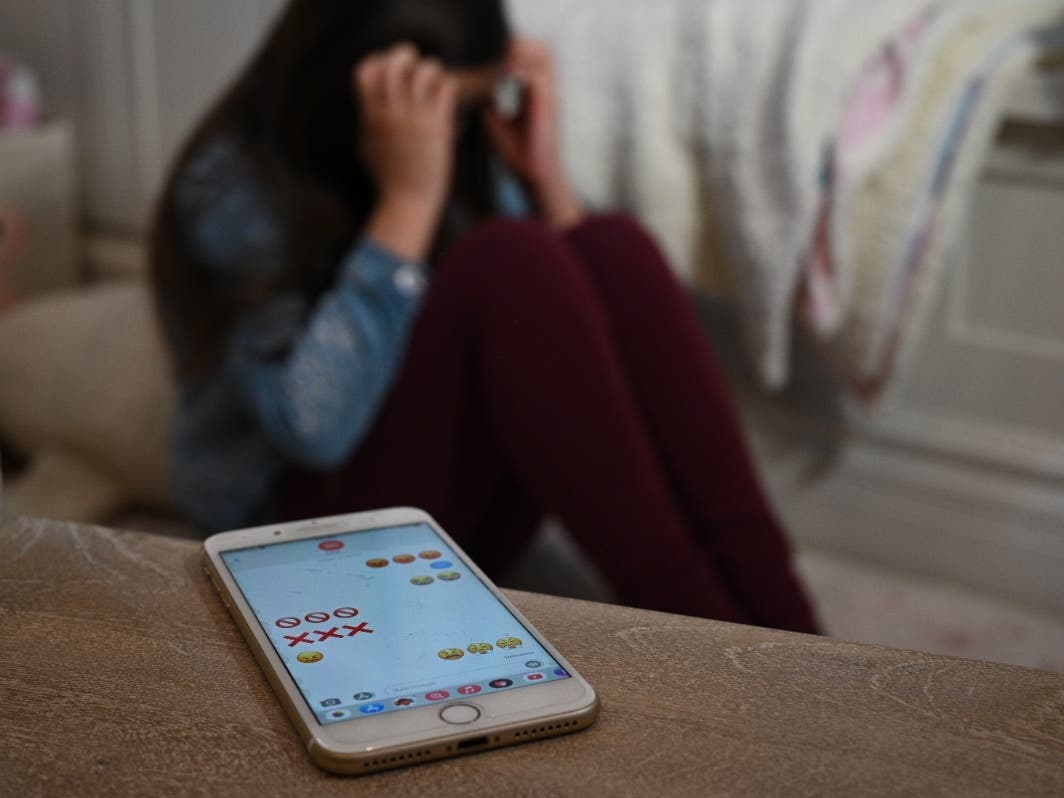
While remote learning during the COVID-19 pandemic lowered reported instances of bullying, parents fear that, for some students, going back to school will mean going back to being bullied.
“Bullying is a pretty big concern. I was bullied when I was younger. I was always afraid of my girls going through that too,” said Nellie Hesseltine of her family of four in Loveland, Ohio.
Now 15 years after the inception of National Bullying Prevention Month in October, technology’s ever-greater presence in children’s lives has given bullying a new outlet. With just a click, cyberbullies can taunt, harass and threaten relentlessly, even reaching into the home via cellphone or computer. As a result, victims report feeling hopeless, isolated and even suicidal.
Find out what's happening in Cincinnatifor free with the latest updates from Patch.
What can parents do to protect their kids? Taking an interest in their children’s online world can make a difference, says the National Parent Teacher Association.
This interest does not necessarily require parents to become tech experts. Instead, the federal stopbullying.gov site advises parents to watch for subtle clues that something is wrong, such as their child becoming withdrawn, hiding their screen when others are nearby or reacting emotionally to what’s happening on their device.
Find out what's happening in Cincinnatifor free with the latest updates from Patch.
For Nellie and her husband, that has meant being keenly aware of what “normal” looks like for their two girls, ages 8 and 10.
“I spend as much time with them as I can. I talk with them. I tell them when I’m mad, happy or sad,” said Nellie. “They know they can share their feelings with me.”
Talking with kids openly — and often — helps too. “The more you talk to your children about bullying, the more comfortable they will be telling you if they see or experience it,” UNICEF says in its online tips for parents.
“We discipline our girls,” admitted Nellie, “but they never get in trouble for how they feel, so they know they can share anything with me and I’ll always be there for them.”
Beyond talking, listening and observing their kids, parents shouldn’t be afraid to make and enforce rules for online activities, experts say.
The daughters of Thiago and Auboni Cordolino, of Houston, Texas, are allowed to play online games, but they’re expected to turn off the live chat feature to limit interactions with strangers. “We reassure the girls that we trust them and respect their privacy, but they have to stay within the boundaries we’ve set,” said Auboni.
The Hesseltine family has taken a similar approach. “I’m not a helicopter mom, but they do have guidelines. We have an app that not only limits their usage but also filters content,” said Nellie.
Both families cited the tips and reminders they’ve considered together with their kids from free resources available on jw.org, the official website of Jehovah’s Witnesses.
The Hesseltine girls especially recommended one of the site’s short animated videos, “Beat a Bully Without Using Your Fists.”
“If I saw someone being bullied,” the eight-year-old said,” I would tell them to tell their mom and dad or a trusted adult.”