Health & Fitness
Hepatitis A Outbreak Hits Ohio, Linked To Opioids
There have been more than 970 confirmed cases of hepatitis A in Ohio, up from the state's annual average of approximately 40 cases.


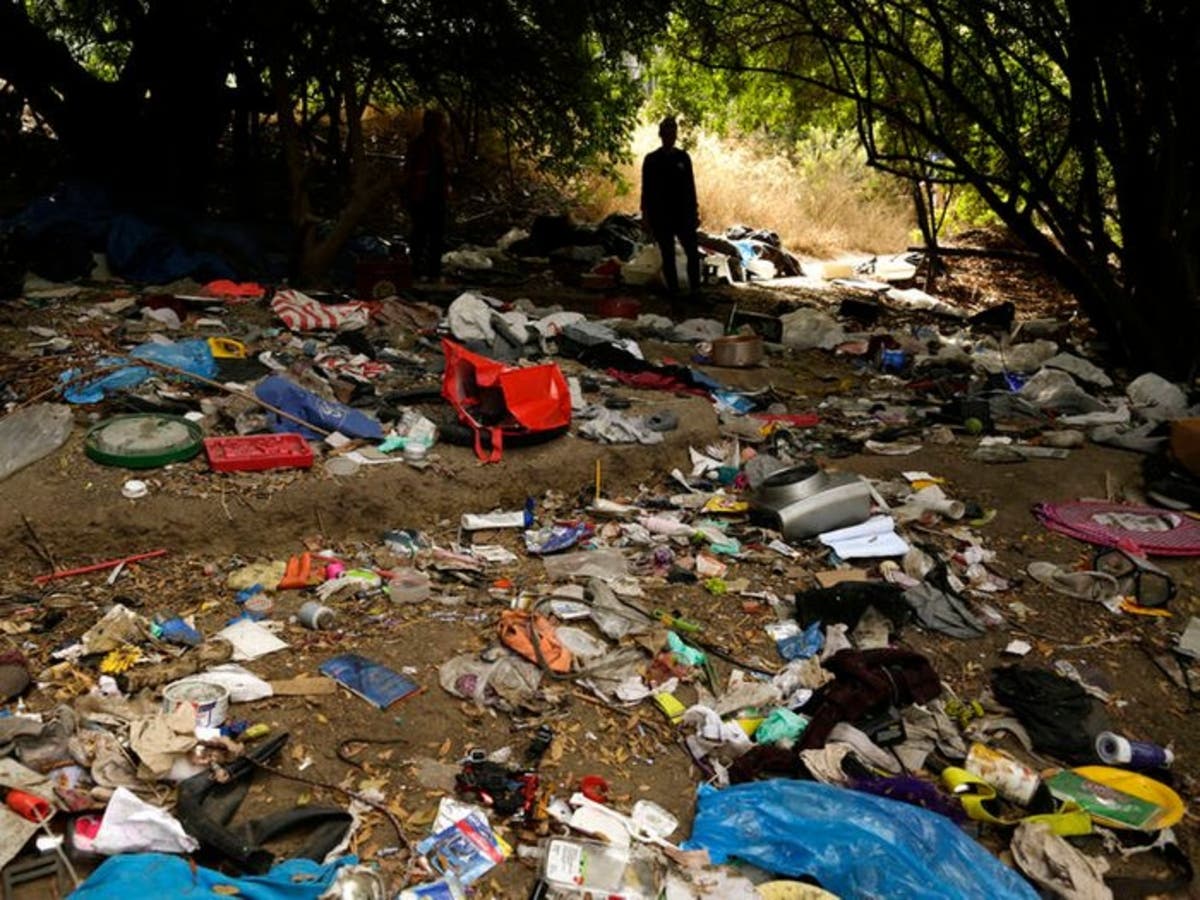
Hepatitis A has broken out across Ohio, the Ohio Department of Health announced. More than 970 cases have been documented since the start of the year, hitting 59 counties, and killing one person. Ohio typically averages 40 cases of hepatitis A per year, the ODH told Patch.
Hepatitis A is a liver infection caused by the hepatitis A virus. The highly contagious viral disease is typically spread when someone unknowingly ingests food or drinks contaminated by small, undetected amounts of feces from an infected person. This is sometimes seen in the food industry and is one reason that proper hygiene — specifically, hand-washing — is of vital importance.
"Transmission is predominantly by direct person-to-person contact, related to crowding and poor hygiene," according to the federal Centers for Disease Control and Prevention.
Find out what's happening in Clevelandfor free with the latest updates from Patch.
The disease is preventable with proper vaccination, though. As such, America's hepatitis A rates plummeted once vaccinations became widely available in 1996.
But that trend is reversing, the CDC said, and an increase in the number of community-wide hepatitis A outbreaks has increased in a dozen states — California, Utah, Missouri, Arkansas, Tennessee, Kentucky, Indiana, Ohio, Michigan, West Virginia, North Carolina and Massachusetts.
Find out what's happening in Clevelandfor free with the latest updates from Patch.
Since July 2016, more than 8,000 outbreak cases have been reported
The vaccine-preventable disease has sent about 620 Ohioans to the hospital since the start of the outbreak, on January 5, 2018. Southeastern Ohio has been hit the hardest, with Butler County sitting at the epicenter of the spread of hepatitis A.
The ODH reports that 187 people have been diagnosed with Hepatitis A in Butler, by far the most in Ohio. Montgomery has the second most cases among counties, with 147 confirmed. By comparison, Cuyahoga has 14 confirmed cases, and Franklin has 68 cases.
Symptoms include yellow eyes or skin, fatigue, loss of appetite, abdominal pain, dark-colored urine or gray-colored stool, joint pain, nausea, vomiting and fever.
People can fall ill from a few weeks to many months, and some will have to be treated at a hospital. Hepatitis A can sometimes be deadly.
To combat the spread of the disease, the Ohio Department of Health has provided more than 5,000 doses of the hepatitis A vaccine to local hospitals. The department also declared hepatitis A a community wide outbreak, giving Ohio greater access to vaccine doses through the Centers for Disease Control and Prevention.
“Good hand-washing and vaccination are the best ways to prevent hepatitis A in at-risk individuals,” said Sietske de Fijter, state epidemiologist and chief of the ODH Bureau of Infectious Diseases. “If you or someone you know has one or more risk factors for hepatitis A, call your local health department to see about getting vaccinated.”
A Region-wide Outbreak
Over the summer, the Ohio Department of Health noted that several neighboring states were experiencing their own hepatitis A outbreaks. In late June, Indiana had 138 cases, Kentucky had 761 cases, Michigan had 843 cases and West Virginia had 248 cases.
For the current outbreaks, the CDC recommends that drug users — both those who inject drugs and non-injectors — get vaccinated, along with individuals who are in recovery, are homeless or are behind bars. Additionally, the CDC recommends men who have sex with men get vaccinated. Those who work in emergency departments and corrections facilities in outbreak areas should also be vaccinated.
But targeted vaccination to the most at-risk groups is "the best way to control disease spread," the CDC said.
In a clinician outreach webinar Thursday, the CDC's Dr. Sapna Bamrah Morris, Dr. Monique Foster and Dr. Noele Nelson presented their evidence on the outbreak using several graphs, maps and charts.
One slide stuck out above all the others and perfectly summed up the call. Innocuously titled "Rates of Reported Acute Hepatitis A United States, 2007-2016," it carried an alarming warning: Rates of acute hepatitis A, which had been steadily falling since 2007, skyrocketed in 2014. And whereas past outbreaks were typically among children who didn't show symptoms, this outbreak affected adults, particularly adults 20-29, 30-39 and 40-49 years old.
Among people in their 40s, the rate fell between 2007 and 2014 from about .9 per 100,000 people to .035 per 100,000 people. However, over the next two years, that number jumped to more than .8 per 100,000, nearly completely erasing seven years of progress.
It was a similar story for people in their 20s. The rate plummeted from nearly 1.4 per 100,000 people in 2007 to about .55 in 2014. It then jumped to just under .9 per 100,000 population in 2016.
For people in their 30s, the rate fell from just under 1.2 per 100,000 people in 2007 to about .5 in 2014. In 2016, the rate spiked to more than .9 per 100,000 people.
In 2016, about 61 percent of American kids between 19-35 months had received at least two doses of the vaccine and 86 percent had received at least one dose. For teens 13-17 years old, 64 percent had received at least two doses and 74 percent had received at least one.
But for adults, those numbers were far fewer. Just 9.5 percent of adults 19 or older received at least two doses of vaccine. That number was 13 percent for adults between 19 and 49 and just 5 percent for people over 50.
(For more news like this, find your local Patch here. If you have an iPhone, click here to get the free Patch iPhone app; download the free Patch Android app here. And like Patch on Facebook!)
Photo credit: Gregory Bull/Associated Press
Patch Editor Dan Hampton contributed to this report
Get more local news delivered straight to your inbox. Sign up for free Patch newsletters and alerts.