Politics & Government
How Ohio Minimum Wage Increase Compares Nationwide
More than five million low-wage workers nationwide will see their paychecks go up this year, including many in Ohio.


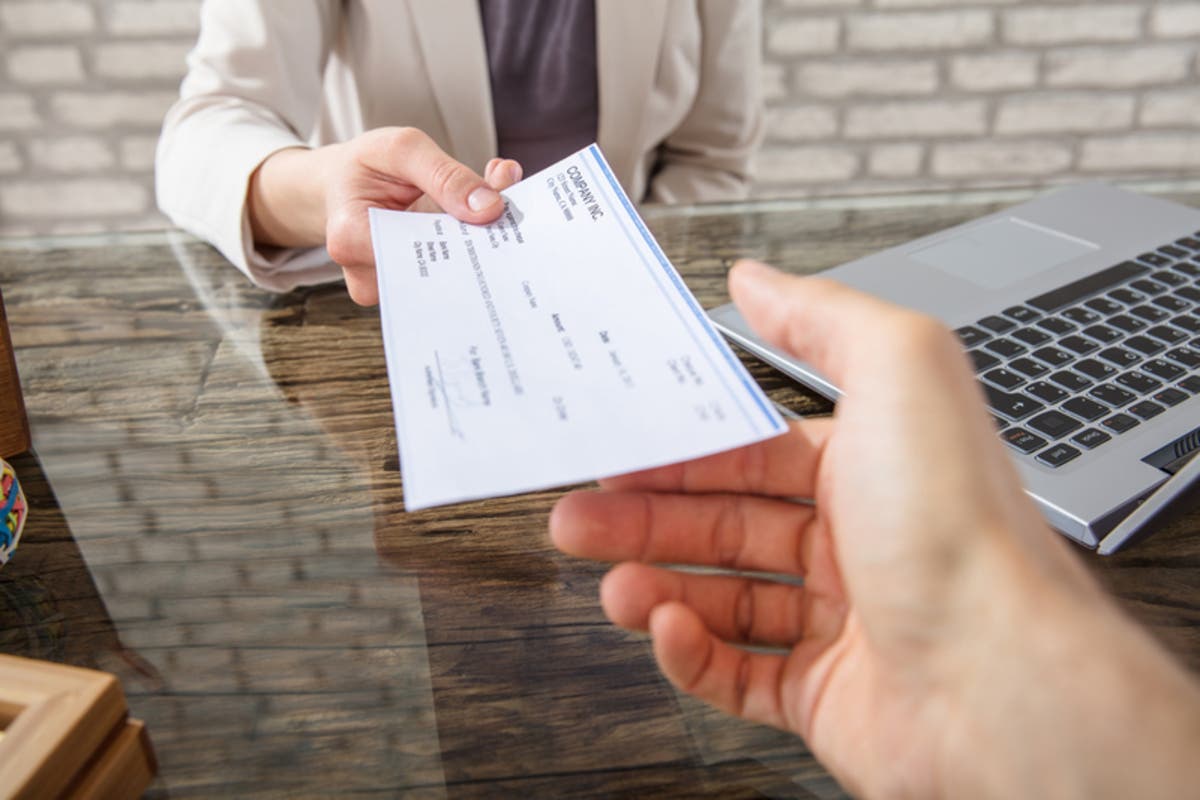
Minimum wage workers in Ohio will see their paychecks go up this year, along with workers in 19 other states and two dozen cities and counties. That’s according to a new analysis by the left-leaning Economic Policy Institute, which tracks minimum wage changes across the country.
Overall, more than five million low-wage workers will see their paychecks go up even as the federal minimum wage remains stagnant for the 12th consecutive year, the EPI said. In Ohio, approximately 67,300 minimum wage workers will see their paychecks increase from $8.30 an hour to $8.55 an hour.
The nation's other pay bumps aren’t large by any stretch of the imagination, ranging from as low as a nickel raise in Alaska to $1 in Maine and Massachusetts. California companies with more than 25 workers must also give minimum wage workers a $1-an-hour increase.
Find out what's happening in Clevelandfor free with the latest updates from Patch.
Eight states — Alaska, Florida, Minnesota, Montana, New Jersey, Ohio, South Dakota and Vermont — increased minimum wages automatically to keep up with inflation. This is intended to ensure those workers don’t lose buying power from year to year.
For Ohioans, though, the pay bump won't do much to ease the financial burdens on minimum-wage workers. The state's new minimum wage is still lower than it was in 1968 when adjusted for inflation, the Cincinnati Enquirer found.
Find out what's happening in Clevelandfor free with the latest updates from Patch.
Ohio's minimum wage in 1968 was $1.25, which is more than $9 per hour in inflation-adjusted dollars. Ohio's new minimum wage of $8.55 is still higher than the current federal minimum wage of $7.25 per hour.
(For more news like this, find your local Patch here. If you have an iPhone, click here to get the free Patch iPhone app; download the free Patch Android app here. And like Patch on Facebook!)
In six states — California, Delaware, Massachusetts, Michigan, New York and Rhode Island — the increases were set by state lawmakers. Several of those bumps were part of broader plans to increase the minimum wage to $15 an hour.
The remaining six states — Arizona, Arkansas, Colorado, Maine, Missouri and Washington — saw their minimum wages climb due to voter ballots.
“In recent years, as federal and state lawmakers in many states have failed to update minimum wages, voters have taken up the charge themselves, passing wage increases at the ballot box,” the authors of the blog post wrote.
The EPI said minimum wage increases are one of the most straightforward ways to boost pay for the lowest-earning workers. A “flurry” of similar increases in recent years have led to “sizable gains” in wages for millions nationwide.
“After decades of policy choices that have suppressed wage growth for the most workers, it is encouraging that policymakers and voters have increasingly embraced this simple and effective policy tool,” the author wrote.
Patch national staffer Dan Hampton contributed to this report.
Photo credit: Shutterstock
Get more local news delivered straight to your inbox. Sign up for free Patch newsletters and alerts.