Health & Fitness
Mosquito, Tick Season In Full Swing In Ohio
West Nile and Lyme diseases are transmitted by the nefarious pests. Protect yourself and your family with these tips.


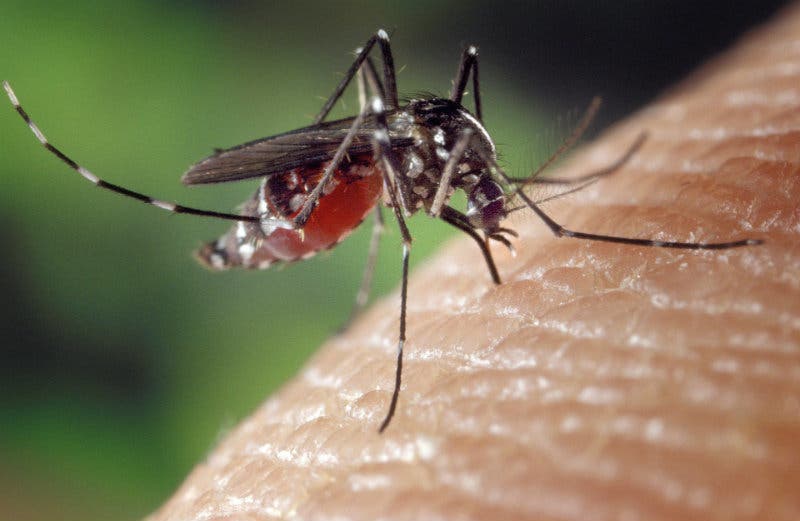
CLEVELAND, OH — Mosquito and tick season is officially off and running in Ohio. Mosquitoes will be at their blood-sucking worst from May through October, while ticks have been active since April and will stay active until September.
The mosquito species that is most active in Ohio has been known to carry the West Nile virus. Last year, there were 17 confirmed cases of West Nile among Ohio residents. About 80 percent of people who are infected with West Nile will not show symptoms, the Ohio Department of Health (ODH) says. Only one in 150 people infected with West Nile will develop serious symptoms, like high fever, headache, neck stiffness, stupor, disorientation, coma, tremors, convulsions, muscle weakness, vision loss, numbness and paralysis. These symptoms may last several weeks, and neurological effects may be permanent, the ODH says.
(To stay up to date on this story and others like it, subscribe to the Patch Cleveland newsletter. As news breaks and stories develop, you will be the first to receive updates from Patch.)
Find out what's happening in Clevelandfor free with the latest updates from Patch.
On the bright side, there is less reason to fear the Zika virus which has spread through parts of Central America and the Southeast U.S. The mosquito species that is known to transmit Zika has not been established in Ohio. However, a "cousin" of the mosquito has been found in different regions throughout Ohio and that speces has been known to transmit Zika.
The ODH says there were 95 travel-associated Zika cases in Ohio last year, all from travelers returning to the Buckeye State from Zika-impacted areas. There have been three travel-associated cases of Zika in 2017.
Find out what's happening in Clevelandfor free with the latest updates from Patch.
“You can take some simple precautions at home and when traveling to prevent potentially serious mosquito-borne diseases,” said Sietske de Fijter, ODH State Epidemiologist and Bureau Chief of Infectious Diseases, in a statement.
Cleveland was recently ranked as the 25th most mosquito-ridden city in America by pest-control company Orkin.
Tick Time
Ticks have also been a scourge for Northeast Ohioans over the years. In 2016, there were 160 cases of Lyme disease in the state, all likely the result of ticks.
“If you find a tick attached to your body, remove it and monitor your health to watch for a fever, rash, muscle or joint aches or other symptoms,” said de Fijter in a release. “If you experience any of these symptoms, contact your healthcare provider.”
The tick population in Ohio has increased significantly since 2010, the ODH reports. As a result, Lyme disease cases have increase in the state.
Additionally, ticks have been known to attach themselves to a variety of animals, including deer, dogs, and rodents. So make sure all pet pooches are check regularly for ticks.
Tips To Protect Yourself
The ODH released a series of tips to protect on how to prevent bites from both mosquitoes and ticks.
To prevent mosquito bites:
- Dress in long sleeved pants and long pants to cover the majority of your skin
- Wear light clothing because it is less attractive to mosquitoes
- Use mosquito repellent
- Keep screens on your windows and doors to prevent mosquitoes gaining entry to your house
- Wear clothing and gear treated with permethrin, an insecticide. Don't apply permethrin directly to your skin
- Disperse all standing water near your home
- Get rid of all water-holding containers near your house (ie, empty flower pots and bird baths)
- Keep your roof gutters clean and draining properly
- Wading pools for kids should be empty when they are not in use
To prevent tick bites:
- Avoid walking through tall grass and woody areas whenever possible
- Wear clothing and gear treated with permethrin, an insecticide. Don't apply permethrin directly to your skin
- Use EPA-registered tick-repellent
Find more tips and information on mosquito- and tick-borne diseases on the ODH website.
Photo from Pixabay
Get more local news delivered straight to your inbox. Sign up for free Patch newsletters and alerts.