Health & Fitness
Ohio E.Coli Outbreak May Be Linked To Ground Beef
The CDC said five Ohioans fell ill with E.coli during a regional outbreak. Now officials believe they've found the source of the infection.


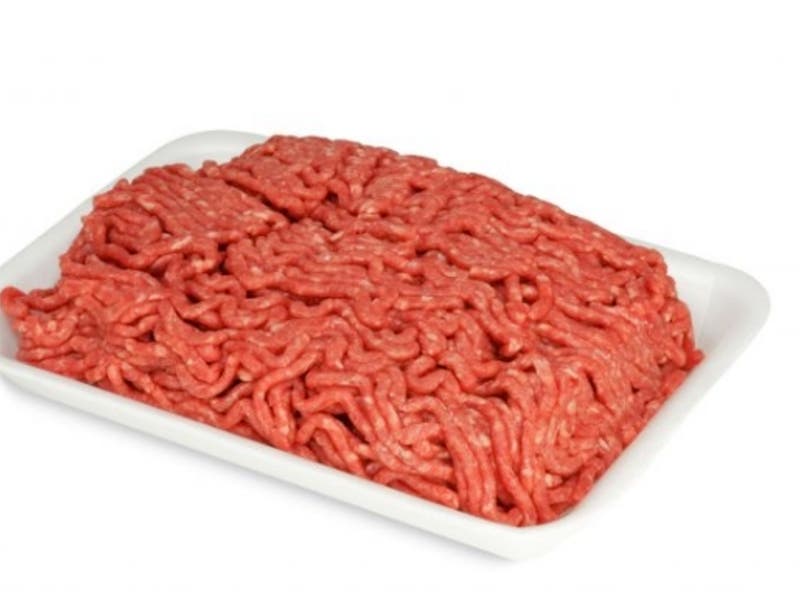
The CDC believes it has found the cause of a multi-state outbreak of E.coli that infected seven Ohioans and more than 100 people nationwide. Preliminary information suggests that ground beef is the source of an E. coli O103 outbreak.
The majority of confirmed cases in Ohio were located in Hamilton County and Clermont County. One person in Ohio was hospitalized because of E.coli. Notably, those two counties border Kentucky, where the outbreak has been most widespread.
The latest CDC information indicates a total of 109 people infected with the outbreak strain as of Friday. No deaths have been reported, but further infections are expected to occur.
Find out what's happening in Clevelandfor free with the latest updates from Patch.
So far the E.coli outbreak has hit the following states: Indiana (1 case), Georgia (17), Kentucky (54), Ohio (7), Tennessee (28), and Virginia (2).
According to the CDC, the outbreak of E.coli O103 illnesses began appearing between March 2 and March 29. The infected people range in age from 1-years-old to 74-years-old. The average age of the infected is 17.
Find out what's happening in Clevelandfor free with the latest updates from Patch.
Symptoms of E.coli will generally begin to appear within two to eight days of ingesting the germ. Most people will begin to show symptoms within four days.
According to the CDC:
- No cases of hemolytic uremic syndrome, a type of kidney failure, have been reported.
- Preliminary epidemiologic information suggests that ground beef is the source of this outbreak.
- Ill people in this outbreak report eating ground beef at home and in restaurants.
- Traceback investigations are ongoing to determine the source of ground beef supplied to grocery stores and restaurant locations where ill people ate.
- At this time, no common supplier, distributor, or brand of ground beef has been identified.
- CDC is not recommending that consumers avoid eating ground beef at this time. Consumers and restaurants should handle ground beef safely and cook it thoroughly to avoid foodborne illness.
- At this time, CDC is not recommending that retailers stop serving or selling ground beef.
- This is a rapidly evolving investigation. We will provide updates as more information becomes available.
Advice to Consumers, Restaurants, and Retailers:
Consumers and restaurants should always For more information about how to handle ground beef safely, call the USDA Meat and Poultry Hotline (1-888-674-6854).
Take action if you have symptoms of an E. coli infection:
- Talk to your healthcare provider.
- Write down what you ate in the week before you started to get sick.
- Report your illness to the health department.
- Assist public health investigators by answering questions about your illness.
Symptoms of E. coli Infection:
- People usually get sick from Shiga toxin-producing E. coli (STEC) 3–4 days after swallowing the germ.
- Symptoms often include severe stomach cramps, diarrhea (often bloody), and vomiting, and usually lasts 5-7 days.
- Some people with a STEC infection may get a type of kidney failure called hemolytic uremic syndrome.
- For more information, see Advice to Clinicians Antibiotics are not recommended for patients with suspected E. coli infections until diagnostic testing can be performed and E. coli infection is ruled out. Some studies have shown that administering antibiotics to patients with E. coliinfections might increase their risk of developing HUS, and a benefit of treatment has not been clearly demonstrated.
Advice to Clinicians:
Antibiotics are not recommended for patients with suspected E. coliinfections until diagnostic testing can be performed and E. coliinfection is ruled out. Some studies have shown that administering antibiotics to patients with E. coli infections might increase their risk of developing HUS, and a benefit of treatment has not been clearly demonstrated.
Get more local news delivered straight to your inbox. Sign up for free Patch newsletters and alerts.