Community Corner
Opioid Deaths Slowing In Ohio, Overdose Deaths Still Climbing
A report from Ohio Department of Health shows prescription opioid deaths are down significantly, but fentanyl is still killing Ohioans.


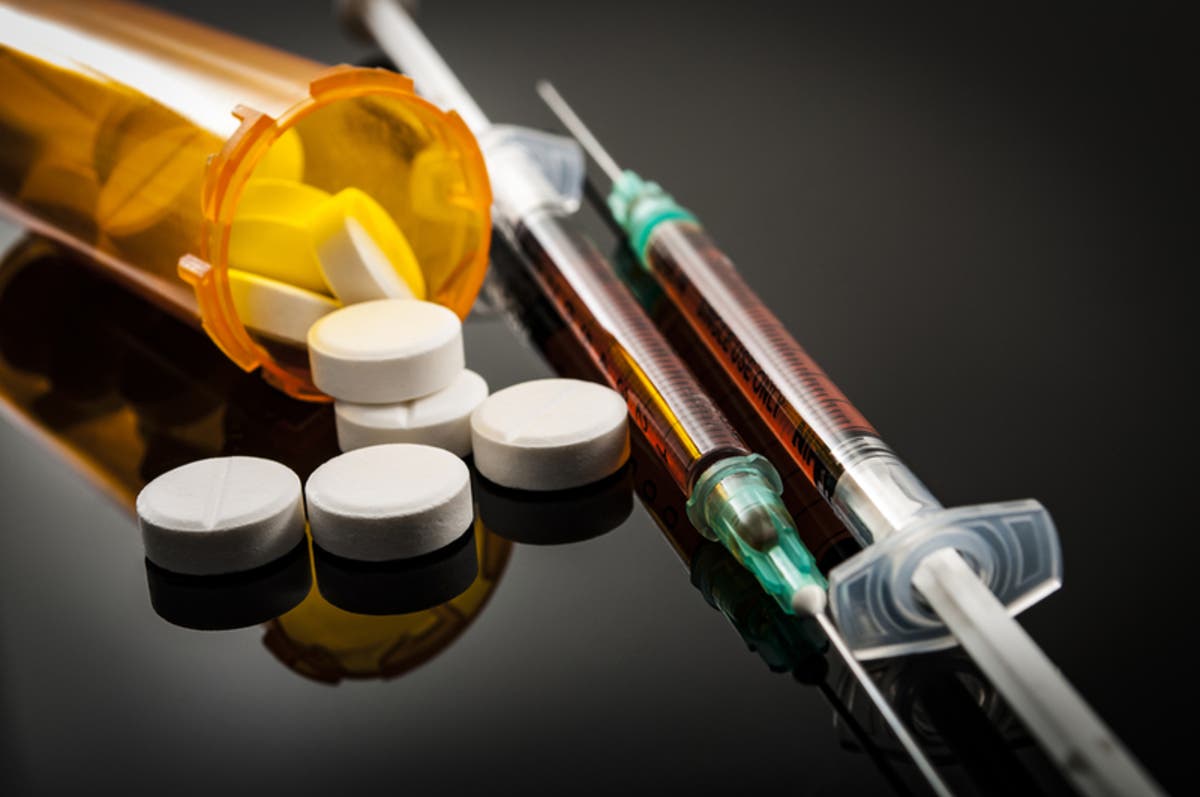
For the first time in years, the Ohio opioid crisis appears to be slowing, though overdose deaths are still on the rise. The state department of health said that 2017's 4,854 deaths represented a four-year low in heroin-related deaths, and an eight-year low in prescription opioid-related overdose deaths. The number of overdose deaths is still at a 13-year high in the state.
“The good news is Ohio is seeing significant progress in reducing the number of prescription opioids available for abuse, and as a result, prescription opioid-related overdose deaths that don’t also involve fentanyl are at their lowest level since 2009,” said Ohio Department of Mental Health and Addiction Services Director Dr. Mark Hurst. “This progress is significant because prescription opioid abuse is frequently a gateway to heroin and fentanyl use.”
The state of Ohio, several municipalities and other groups have sued prescription opioid manufacturers for allegedly contributing to the state's overdose death epidemic. In May 2017, Ohio Attorney General Mike DeWine announced he was suing five opioid manufacturers for fraudulent marketing, which he believed contributed to the state's opioid crisis. Then, in late February 2018, DeWine announced a lawsuit against the distributors of opioid prescription drugs. In April, the Teamsters of West Virginia and Ohio sued the drug manufacturers.
Find out what's happening in Clevelandfor free with the latest updates from Patch.
Prescription opioid deaths declined 7 percent between 2016 and 2017, according to Ohio Department of Health statistics.
Dealing With Fentanyl
Find out what's happening in Clevelandfor free with the latest updates from Patch.
Still, the major contributing factor to the continuing wave of overdose deaths in Ohio is fentanyl. The drug is usually mixed in with other street drugs like cocaine, heroin, and psychostimulants like methamphetamine.
“While data shows us that Ohio’s efforts to curb prescription opioid abuse are working, the driving force today in Ohio’s ever-changing opioid epidemic is deadly fentanyl being used with other street drugs like cocaine and methamphetamine,” said ODH Director Lance Himes.
Fentanyl was involved with 71 percent of unintentional overdose deaths in 2017, that's up from 58 percent in 2016 and 38 percent in 2015. Many of the state's overdose deaths involving cocaine or meth, also involved fentanyl.
Still, overdose deaths slowed significantly in the second half of 2017. ODH tracking showed a 23 percent decrease in overdose deaths versus the first half of the year. "There were 2,747 overdose deaths from January through June, compared to 2,107 from July through December, a decrease of 640 deaths," the ODH report on overdose deaths in 2017 said.
The full Ohio Department of Health report on 2017 overdose deaths can be seen by clicking here.
(For more news like this, find your local Patch here. If you have an iPhone, click here to get the free Patch iPhone app; download the free Patch Android app here. And like Patch on Facebook!)
Photo from Shutterstock
Get more local news delivered straight to your inbox. Sign up for free Patch newsletters and alerts.