Politics & Government
Release Asian Carp Prevention Report: Attorney General Mike DeWine
The Ohio Attorney General is urging the U.S. Army Corps of Engineers to release its study on how to prevent Asian carp from spreading.


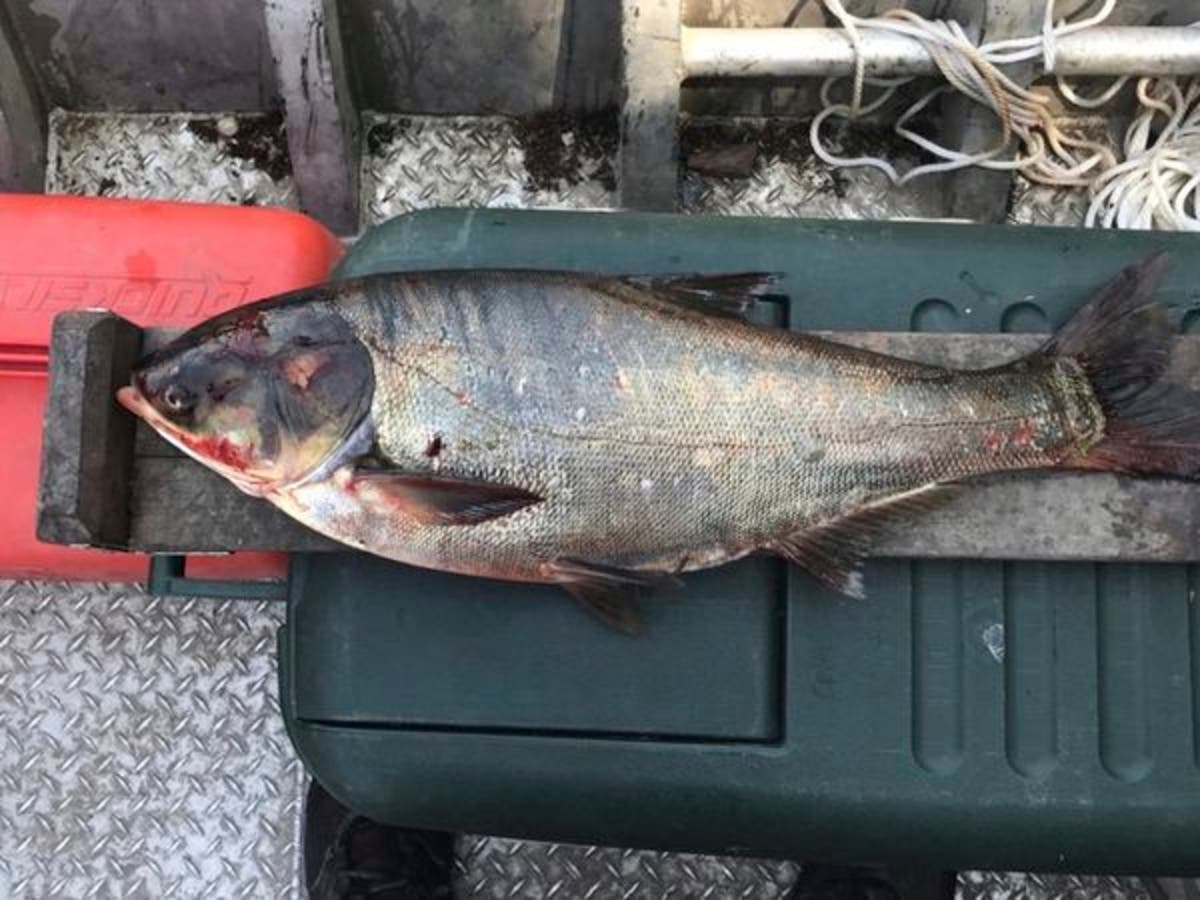
CLEVELAND, OH — Ohio Attorney General Mike DeWine is urging the U.S. Army Corps of Engineers to release a study that details a new method for preventing the spread of Asian Carp into Lake Erie and the other Great Lakes. The letter was spurred by the discovery of an Asian carp in the Calumet River, nine miles from Lake Michigan on June 23.
Asian carp pose a unique and pervasive danger to all of the Great Lakes. The Asian carp is extremely fast-growing and adaptable, allowing it to out-eat other species of fish and gradually eliminate biodiversity in whatever body of water it resides in, the National Wildlife Foundation (NWF) reports. The Asian carp feed primarily on plankton and, should the species spread into the lakes, Asian carp would likely strip out the native plankton population, the NWF says. That could starve other species, like the walleye and perch. DeWine believes Asian carp could devastate Lake Erie's fishing and tourism industries.
The U.S. Army Corps of Engineers currently maintains three river-based electric barriers designed to prevent Asian carp from entering the Great Lakes. The Asian carp found on June 23 was found beyond the electric barriers erected by the corps.
Find out what's happening in Clevelandfor free with the latest updates from Patch.
The Trump administration's latest budget proposal would gut funding that helps block the spread of Asian carp and preserve the Great Lakes, the Chicago Tribune reports. The administration is also refusing to release a report on new methods for preventing the spread of the fish, the same report DeWine wants released immediately. The report was originally scheduled to be released at the beginning of the year.
“The U.S. Army Corps of Engineers’ delay in the face of this immediate threat is unacceptable,” Attorney General Mike DeWine said in a statement. “The Corps’ choice to withhold the plan even after its January 2017 due date could jeopardize the ultimate outcome.”
Find out what's happening in Clevelandfor free with the latest updates from Patch.
DeWine addressed his letter to Douglas W. Lamont, senior official performing the duties of the assistant secretary of the army. He urges Lamont to release the Tentatively Selected Plan for the Brandon Road Study and notes how precious Lake Erie is to Cleveland, Northeast Ohio, and the state as a whole.
"Asian Carp present an immediate, serious threat to Ohio families. Lake Erie is a source of drinking water for 3 million Ohioans, provides 124,000 jobs to Ohioans, and generates $1.8 billion in tourism revenue to the State of Ohio. Should Asian Carp reach the Great Lakes, they will devastate the economic and natural resources of Lake Erie and Ohio.
The Rock Island USACE office, where the report originated, said the report is in draft form until they are able to release it. The spokesperson said the agency is waiting on "coordination from several levels of government" before releasing the report.
"Several different agencies need to see the report," the spokesperson said.
A spokesperson for the Great Lakes Office of the U.S. Army Corps of Engineers (USACE) said the letter had not been directed to their office, and declined further comment.
The report in question originated from the Great Lakes and Mississippi River Interbasin Study (GLMRIS). That study recommended prevention as the number one tactic for fighting the spread of Asian carp into the Great Lakes.
"Given the time necessary to implement a specific plan, it is imperative that the Chief’s Report be completed by January 2019. If Asian Carp are allowed to reach the Great Lakes, it may be too late to save Lake Erie," DeWine writes in his letter.
Charlie Wooley, Midwest deputy regional director for the U.S. Fish and Wildlife Service, said in an interview that the discovery of the Asian carp on June 23 is concerning, but should not be panic-inducing.
"This is concerning but it's not a three-alarm fire right now and we don't expect it to be," he said in an interview.
More information on the GLMRIS study can be found here.
Photo credit: Illinois Department of Natural Resources via AP, Jim Weber/The Commercial Appeal via AP
Get more local news delivered straight to your inbox. Sign up for free Patch newsletters and alerts.