Neighbor News
The Heart of Every Stable: Why Flooring Choices Matter More Than You Think
Why stable flooring is the most overlooked factor in horse health, safety, and barn efficiency for Columbus equestrians.

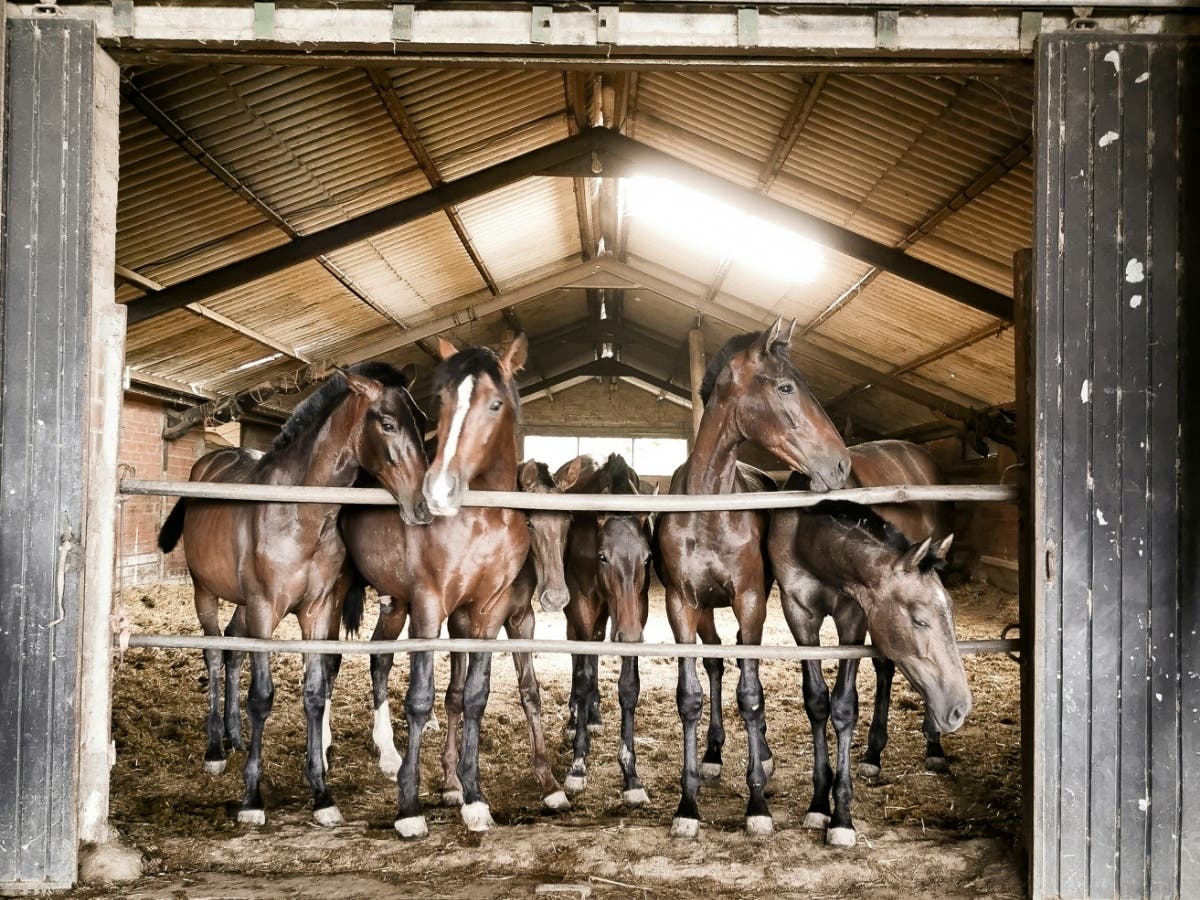
A Columbus Equestrian Perspective
The seasonal changes in Central Ohio create their own set of challenges for horse owners. Our equestrian facilities face operational difficulties because the climate produces humid summer weather as well as severe winter conditions. The best grain, precise saddle fit, and most suitable blanket weight are common points of discussion, but people do not always recognize that stable flooring acts as the basis that supports all activities.
The Impact on Horse Health
Horses are large animals that need the ability to travel across diverse soft ground conditions. The stable environment requires them to remain standing for extended periods on uncomfortable surfaces. The presence of hard, uneven, or slippery flooring can cause multiple physical health problems over time.
Find out what's happening in Columbusfor free with the latest updates from Patch.
Joint disease in horses is a common concern that demands immediate attention. Horses that stand on concrete surfaces or hard-packed dirt can experience arthritis symptoms along with hock and fetlock sores. A horse’s respiratory system depends greatly on the ground materials beneath its hooves.
Ammonia develops when porous floors absorb urine, which gets trapped in the stagnant zone that forms near the ground, where horses eat and sleep. Non-porous flooring systems that have proper fittings stop saturation, creating cleaner air and more sanitary conditions.
Find out what's happening in Columbusfor free with the latest updates from Patch.
Safety and Traction
The temperature variations in the Columbus area lead to water vapor condensing on barn floors, which creates hazardous, slippery conditions. A horse that feels insecure on its feet is a stressed animal. They may be reluctant to lie down and get the REM sleep they need, or they may injure themselves simply trying to stand up after a night’s rest.
Local owners are shifting away from traditional dirt or plain concrete because they want safer alternatives. High-quality rubber mats for horse stallshave become the standard for a reason. The system protects joints by providing a slip-resistant surface when humidity increases and snow enters the facility. The mats serve essential functions in wash racks and grooming bays that become dangerous when water and soap create slippery conditions.
Mud and Drainage Issues

Equestrians in the Scioto and Olentangy River valleys encounter difficulties due to the high clay content of the region’s soil. The mud possesses moisture-holding properties that can damage a barn’s underground structures. If a stall floor doesn’t maintain proper standards, moisture will rise from the ground and collect in low areas, resulting in a bacterial breeding ground for thrush.
While Columbus weather can be hard to predict, the period from late autumn to early spring constitutes our “mud season” as ground conditions prevent complete drying. A well-constructed flooring system prevents your horse from coming into contact with wet soil. The creation of a level, insulated surface enables you to separate your barn interior from external moisture variations.
Efficiency and the Mucking Factor
From a management perspective, the right flooring is a labor-saving device. The process of mucking becomes problematic when you try to manage uneven dirt floors because you end up digging holes, leading to the loss of bedding materials and floors that stay dirty. When horses start pawing the ground, they create craters within minutes, which forces you to spend time leveling and filling.
A level, durable floor allows you to use significantly less bedding because you aren’t trying to create a cushion from scratch. The floor materials provide the cushioning effect while the bedding serves as a moisture control element. A large boarding stable can cut its shavings costs. A flat rubberized surface allows staff to perform sweeping and disinfection tasks more efficiently, which maintains biosecurity standards and enhances the overall appearance of the barn.
The Financial Perspective
The initial investment in premium flooring materials may appear overwhelming, but evaluating it from a long-term perspective offers a better understanding. Cheaper options often need to be replaced quickly because they develop curling and tearing damage, which also means they hold onto odors. A professional-grade installation can have a lifespan of ten years or more when well cared for.
Veterinary expenses also need to be considered. The cost of flooring upgrades should be weighed against the benefits of preventing slip-and-fall accidents and decreasing hock sore treatment needs. A barn with a properly maintained flooring system also has better resale value because future buyers will recognize it as an important feature.
Planning for the Long Haul

When you look at all the factors impacting your stable’s safety and efficiency, make sure you don’t underestimate the significance of flooring. Columbus equestrians need to select materials that will maintain their shape when a 1200-pound horse walks on them.
The goal is to create a continuous and solid area that can endure all daily activities. Your decision to focus on ground materials will help both your horse’s health and your own personal and financial well-being. In horse care, the stable’s strength depends on its base, which starts at the ground.