Business & Tech
Before the Rubber Meets the Road for Cycling Enthusiasts
Preparing bike for the season, trail-etiquette guidelines.
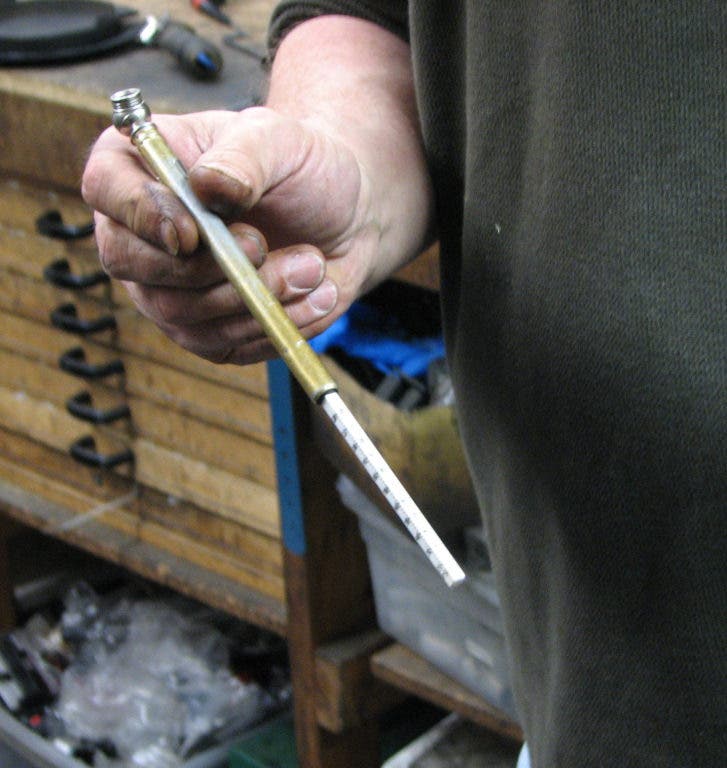


For those who want to get more out of their bike rides this spring, here are a few tips before hitting the trails, and to keep in mind when cycling.
For 25 years, Bob Peyak, a Cuyahoga Falls resident and owner of , has sold, repaired and helped maintain bicycles.
Peyak suggested a basic checklist to make sure two-wheeled vehicles are in good shape for the season. In addition to “common-sense stuff,” such as tightening loose seats, the top items to check include: the chain; tire pressure; and, brakes.
Find out what's happening in Cuyahoga Fallsfor free with the latest updates from Patch.
If riding on a regular basis during warm weather, look at the chain at least once a week to see if the it is dirty, or dry. To clean the chain, the bike can be inverted and set to rest on its seat and handlebars. Use one hand to keep the pedals moving backward while using the other hand to spray the gears with a cleaner (Peyak uses a product called, “Simple Green.”). After the chain and gears have dried, use the same process to drop lubricant into the gears.
“Since it’s the one part that actually propels your bike, you want to keep (the chain) lubed,” he said.
Find out what's happening in Cuyahoga Fallsfor free with the latest updates from Patch.
For the occasional rider, Peyak suggested a squeeze of WD-40 to lubricate the chain. Avoid overdoing it, but keep the chain well-oiled and the gears clean to avoid larger repairs down the road.
Also, check that both tires are correctly inflated. Tires typically have the recommended tire pressure imprinted on their sides.
“Inflation pressure of 40-55 is typical for a mountain bike. When you get in to a road bike, with skinnier tires, it gets higher. The higher pressure means less friction so it runs smoother. If you’re riding on a hard surface, you may want to keep the inflation toward the higher number, because it will run a little smoother for you. Bicycle tubes lose a little bit of air every week, just sitting around. Think of a balloon, when you blow it up for a party and a week later it’s kind of shriveled. It’s the same way with a bike tube,” Peyak said.
Lastly, test the brakes to make sure they stop the wheel securely. Poor stopping action may indicate the brake pads are worn and need to be replaced.
For security on the road, carry a cell phone and an extra tire tube in your seat pack.
“If you ride a bike, there’s one repair you should get under your belt, and that’s knowing how to replace, and patch, an inner tube. The most frequent breakdown is a flat tire,” Peyak suggested.
If encountering pedestrians on shared trails, some basic guidelines can help ensure safety for those on foot as well as on wheels.
“The basic thing is trail etiquette,” said Nate Eppink, spokesperson for MetroParks, Serving Summit County.
To avoid biking-hiking conflict, cyclists can make an audible sound as they draw close to pedestrians by using a bell on their bike or saying, “passing on your right.”
“Travel in a consistent, predictable manner and just be aware of other people using the paths,” Eppink suggested.
For more information on biking etiquette, visit the MetroParks, Serving Summit County Bike & Hike Trail.
For information about the four major bike trails of the Cuyahoga Valley National Park
Visit the bicycling information page.