Health & Fitness
A Three-Pronged Approach to Getting Your Pup to a Healthy Weight
I see it every day in my clinic—dogs whose extra few pounds have grown to become an impediment to an active, healthy life.
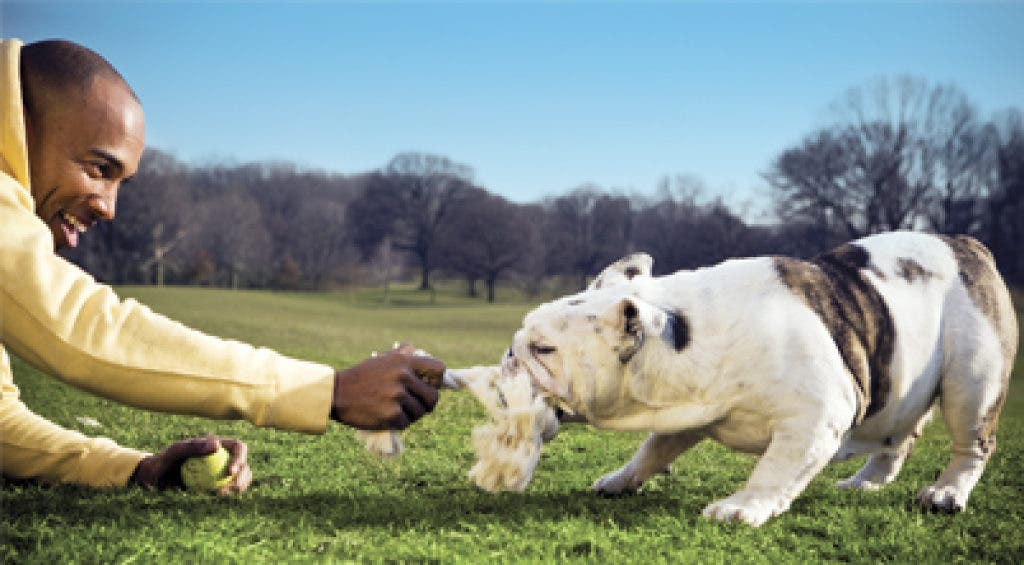
I see it every day in my clinic—dogs whose extra few pounds have grown to become an impediment to an active, healthy life.
An estimated 35 percent of dogs are overweight, with 20.6 percent obese, according to the annual Association for Pet Obesity Prevention survey. The survey found that obesity rates escalated from just over 10 percent in 2007 to 20 percent in 2010.
A more meaningful number, though, is the number two.
Find out what's happening in Cuyahoga Fallsfor free with the latest updates from Patch.
As in two years.
A fourteen-year study conducted by Purina and published by the Journal of the American Veterinary Medicine Association found that, on average, overweight dogs die nearly two years earlier than their healthy-weight peers. And, the health complications from the extra weight have a huge impact on their quality of life.
Find out what's happening in Cuyahoga Fallsfor free with the latest updates from Patch.
When dogs become obese, their bodies begin to work against them. Changes in their bodies can lower their metabolism, increase their appetite, and even cause or worsen other serious medical conditions. In fact, just a few extra pounds can lead to serious health complications such as osteoarthritis, respiratory conditions and skin/coat infections.
Pet owners need to take a proactive stance and intervene when they notice their dog is gaining weight. Of course, it’s important to check in with your veterinarian before making diet or exercise changes for your dog. Here are a few tips to begin a healthy weight loss regimen and reduce their risk of health complications:
- Diet: Try to resist the puppy eyes. Most dogs will eat as much food as they are given. Cutting out unnecessary treats, people food and reducing quantity of dog food are the first steps to take when starting a weight loss plan for your dog.
- Exercise: Engage your dog in an activity daily. Going for a walk, playing frisbee, and swimming in the neighborhood lake are all good ways to knock off a few pounds.
- Pharmaceutical Intervention: Visit your veterinarian to learn about this intervention option. Diet and exercise may not be enough—but these combined with a canine weight loss drug may be the solution for your dog.
If you’ve tried diet and exercise and are still struggling to keep your dog at a healthy weight, let your veterinarian help. Safe and healthy weight-management programs are available.
For more information on canine obesity, please visit www.slentrol.com. To find a veterinarian in your area who can discuss the three-pronged approach to getting your dog to a healthy weight, call 330-929-3223.