Politics & Government
City Can Expect Some Belt-Tightening as State Funding is Cut
Cuyahoga Falls mayor, finance director vow no new taxes.
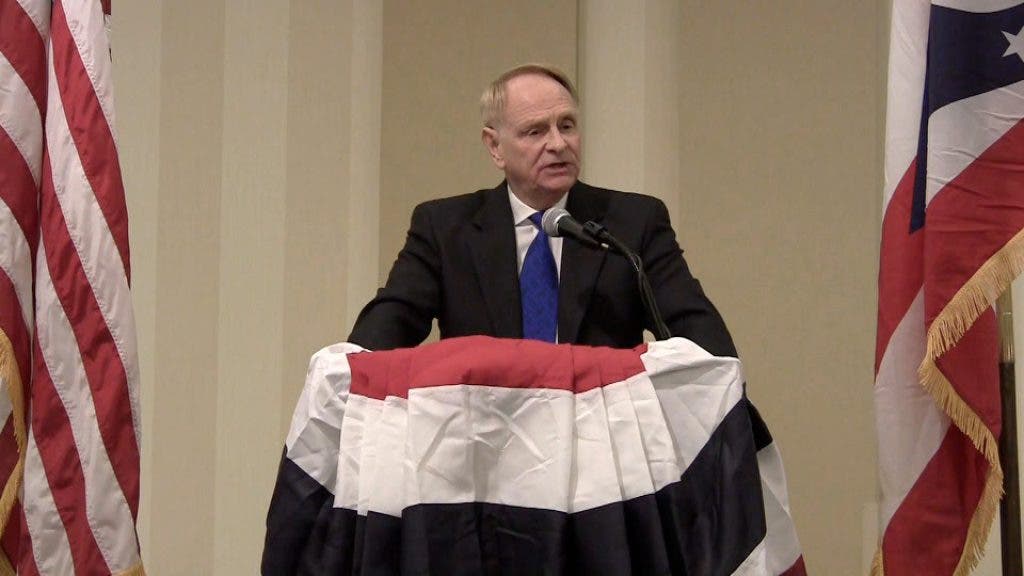
Cuyahoga Falls Finance Director Joe Brodzinski guaranteed that, short of a catastrophic event, the city will not raise taxes to make up for a shortfall in anticipated state funding that Gov. John Kasich has proposed.
“Right now, it’s kind of too early to tell on the local government side. We’ll lose 25 percent the first year of the state’s budget, which starts in July. So it’s going to affect us by about 12 and a half percent, 25 percent of half a year.
“And then it’ll be that same 12.5 on the first half of next year, then it goes to 50 percent in the second half. So when it gets to the full 50 percent, it’s $12.2 million,” Brodzinski said.
“We had anticipated cuts. So the fund balance is slightly higher than what we normally maintain.
“The question remains, as Senate Bill 5 works its way through the process – it’s going to pass – that’s going to provide government employee relief. Will that relief offset the loss of local government funds? That’s to be determined.“
SB 5 is the that seeks to weaken public employees’ collective bargaining rights with their employers – state and local governments.
“The governor’s taking the approach that he’s solving the budget without any additional new taxes," Brodzinksi said. "I would submit that we will do the same from our end.”
“‘It’s lunacy, going back to people who have already taken cuts and then ask them, ‘Could you pay more so we can get paid more?’
“I guarantee we will not raise taxes,” the finance director said.
Mayor Don Robart seconded that sentiment.
“You can count on that,” the mayor said. “Raising taxes, to me, is absolutely not an option.”
“We’re on board with the governor," Robart said. "I’m certainly a strong supporter of what he’s doing, why he’s doing it, and we’ll make do.
“Everybody’s got to live within their budget, whether it’s your household budget or city budget or the state budget.
“The governor is certainly going on the right track,” Robart said. “We’re staring at an $8 billion deficit in the state. If you look at the history of the state over the last two decades, maybe three, the state has gone downhill in every major category whether it’s unemployment, whether it’s education, whether it’s population, whether it’s median income, you name it, and our state is in a fast fall.
“Something drastic had to happen.”