Politics & Government
Healthy Deer Populations Create Driving Hazards
These five tips from the Division of Wildlife will help you avoid a deer-vehicle collision.
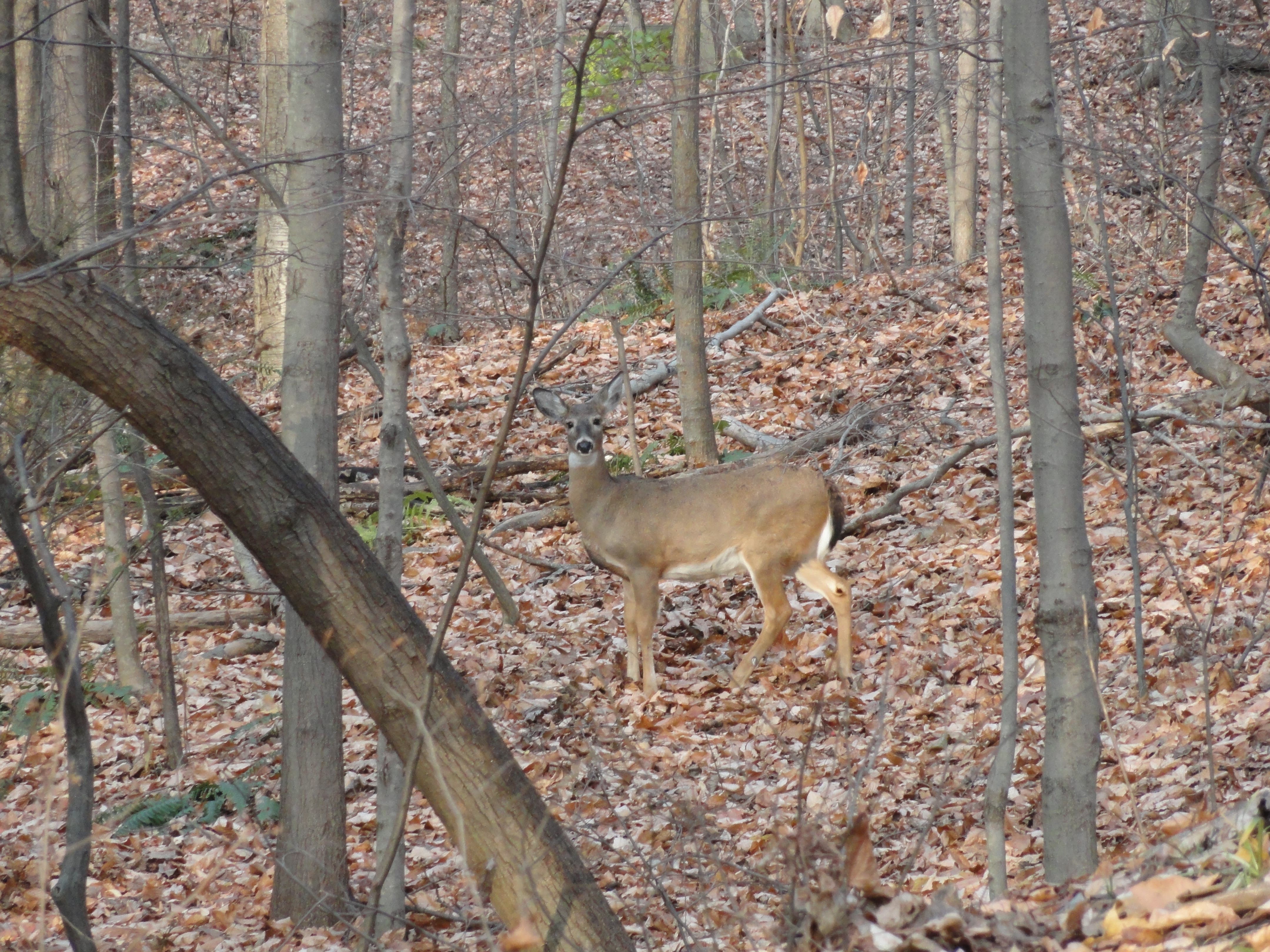
They're beautiful. They're a nuisance. They're graceful. They're driving hazard. Regardless of your opinion of the local white tail deer population, it pays to be looking out for them when you're on the road.
Cuyahoga Falls drivers see their fair share of deer as they travel in or near the Cuyahoga Valley National Park and O'Neill Woods and Hampton Hills MetroParks.
The Cuyahoga Falls Police Department doesn't keep records on vehicle-deer aacidents, and it's difficult to estimate how many occur each year, said Jamey Graham, spokeswoman for the Ohio Department of Natural Resources Division of Wildlife in Northeast Ohio.
Find out what's happening in Cuyahoga Fallsfor free with the latest updates from Patch.
"I imagine many of them go unreported," she said. No Ohio law requires reporting the accident if the deer is uninjured or killed and the vehicle is not damaged, she said.
Most vehicle-deer accidents occur during rut – the breeding season – which peaks in mid-November, she said. Bucks are especially active chasing does during that time, she said.
Find out what's happening in Cuyahoga Fallsfor free with the latest updates from Patch.
The higher frequency of collisions ends in January and a second collision "season" starts in spring as the does chase bucks away from their newborn fawns, Graham said.
Deer and the urban surroundings clash in this area because hunting is restricted in the national park and the MetroParks, Graham said.
Both park systems allow hunters to take a limited number of deer in restricted areas of the parks, she said. The allocations have allowed park administrators some success in controlling the deer population, which Graham said is very healthy and very fertile.
"It's not uncommon to see twins or even triplets" among the newborns, she said.
Graham had some tips for motorists to avoid these beautiful but potentially dangerous animals:
- Be especially vigilant at dusk and in the hours right before and after dawn. "Deer like to travel under the protection of low light," she said. However, deer can be active in the middle of the day or the middle of the night so it always pays to be looking for them.
- Pay attention to deer crossing signs. "People kind of smirk when they see those, but they're there for a reason," she said. The signs mark known travel corridors for deer and it pays to keep an eye out for them in these areas, she added.
- Use high beams whenever possible.
- Drive the speed limit.
- If you see one, others are likely nearby. Deer, especially does and their fawns, travel in herds.
And those nifty devices for your car that promise to repel deer?
"There's never been any evidence that they work," Graham said. "We don't recommend them, but it doesn't hurt to try."
Don't swerve to try to miss hitting a deer, especially on a multi-lane road.
"It's unfortunate for the deer, but you're less likely to lose control," she said.
Call for help from the local police, the county sheriff or the highway patrol if you injure a deer and it is creating a traffic hazard, Graham said. No police report is necessary if the deer runs away, but the motorist's insurance company may require one, Graham said.
Venison-loving motorists who accidently kill a deer can keep the carcass by obtaining a carcass receipt from a law enforcement officer.
The motorist also can waive his right to the carcass and allow someone else to take it, Graham said, adding that it's very common for someone to claim the carcass for its meat.