Politics & Government
13 Things Lakewood City Hall Does to Operate Transparently
Here are 13 concrete steps, new and old, Lakewood City Hall takes to operate transparently--and to continuously improve transparency.

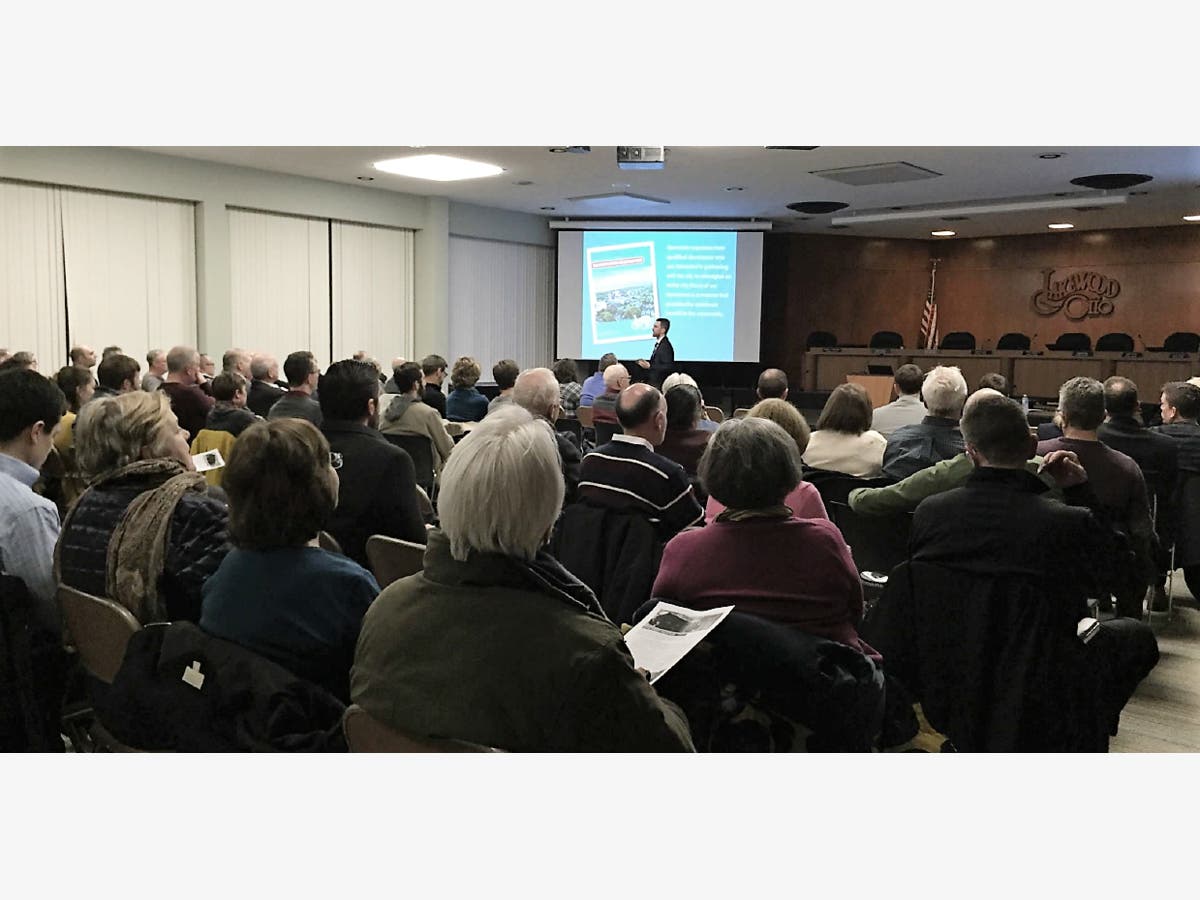

Lakewood City Council and Lakewood City Hall have, for many years, consistently acted in accordance with the letter and spirit of transparency. Those policies include, but are not limited to, Public Records Act and Open Meetings Act requirements. In addition, in the spirit of the continuous improvement management philosophy, City Hall is taking steps to further improve transparency.
Recent actions to continuously improve transparency include these 13 concrete steps:
- CITIZEN PARTICIPATION—A long-running tradition of citizen-led task forces, boards, and commissions to develop solutions to city issues: The GROW Lakewood Commission, Active Living Task Force, Sewer Task Force, Public Arts Task Force, and the Health Care Foundation Planning Task Force are all recent examples. These ad hoc citizen groups supplement the work of 15 standing boards and commissions that incorporate citizen members.
- CITIZEN PARTICIPATION—Input from Lakewood residents is taken on via public meetings, citizen surveys, and one-on-one correspondence to guide City work on many projects. Examples include updating the Community Vision, developing a Bicycle Master Plan, designing the Detroit Avenue Streetscape, redeveloping the Lakewood Hospital site, and more.
- FINANCES—Financial transparency regarding Lakewood finances: Lakewood was one of the first cities to put our checkbook online at the State Treasurer’s OhioCheckBook.com website at this link. Lakewood’s financial records are updated through the most recent fiscal year (2016).
- LAWS—Council frequently updates Lakewood’s official record of laws, Lakewood’s Codified Ordinances, multiple times each year and immediately post laws on the City website between Code updates. This aids public understanding and is timelier than in the past (when updates were done every two years).
- MEETINGS—Auditorium Upgrade & Improved Video Recordings: By updating the auditorium technology, Council meeting recordings are of higher quality and more easily accessible to the public. Council videos are available to the public the next morning on the City website and are indexed so that viewers can easily find an item of interest.
- MEETINGS—Public notice via online calendar: All City Council, Council Committee, Board, and Commission meetings are open to the public and posted on the city calendar in advance (at this link).
- MEETINGS—Strict compliance with Open Meetings Act requirements: Public notice is provided at least 24 hours in advance of meetings, and deliberation on policy by a majority of decision-makers by City Council, boards, and commissions are conducted only at public meetings.
- MEETINGS—A very high rate of adoption of legislation according to regular order, meaning proposed ordinances appear on three meeting agendas and provide more opportunity for public input. Lakewood was recognized by Sun News reporting as among the Cuyahoga municipalities that most used regular order.
- MEETINGS & RECORDS—Timely posting of meeting minutes: Council recently adopted an ordinance affirming its commitment to transparency by requiring that all of its minutes and those of every public board or commission be put in one spot on the City website. Implementation is now underway.
- RECORDS—Release of an extremely large number of public records: More than 35,000 records related to Lakewood Hospital alone have been released as of August 2017 by the Law Department, which assists City Hall with responses to requests for records and which continues to release still more records. Records are regularly and promptly released on many other topics, as well, and the Law Department tracks records request and compliance with them (partial list here) to record and improve City Hall’s performance.
- RECORDS—City Hall Record-keeping has expanded in the digital age to archive more than 7 million emails alone, as described in this analysis by Mayor Summers of the complexity of record-keeping, records release, and protecting privacy of information that the City is required to keep private (such as Social Security numbers, medical records, and similar personal information).
- RECORDS—Public records management procedures are overseen by a City Records Commission that sets rules for retention and disposal of City records and ensures compliance with public records laws. The Commission includes a citizen appointee and is now establishing rules to manage police recordings (e.g. body camera video).
- RECORDS—Work on future improvements is underway now to create customer-facing web portals for city contracts, police records, and Building and Housing information. These upgrades are significant and will be completed in 2018.
As can be seen, Lakewood City Council and Lakewood City Hall take seriously our obligation to conduct the public’s business in a transparent manner. We will maintain our efforts to do so, and we will continuously improve our compliance on transparency so that the goals of public input and accountability of city government are fully met.