Crime & Safety
$40,000 Grant Goes To Lakewood Police For Addiction Prevention Programs
The department got a $41,931.25 grant from Ohio Attorney General Mike DeWine to support D.A.R.E. and other addiction prevention programs.


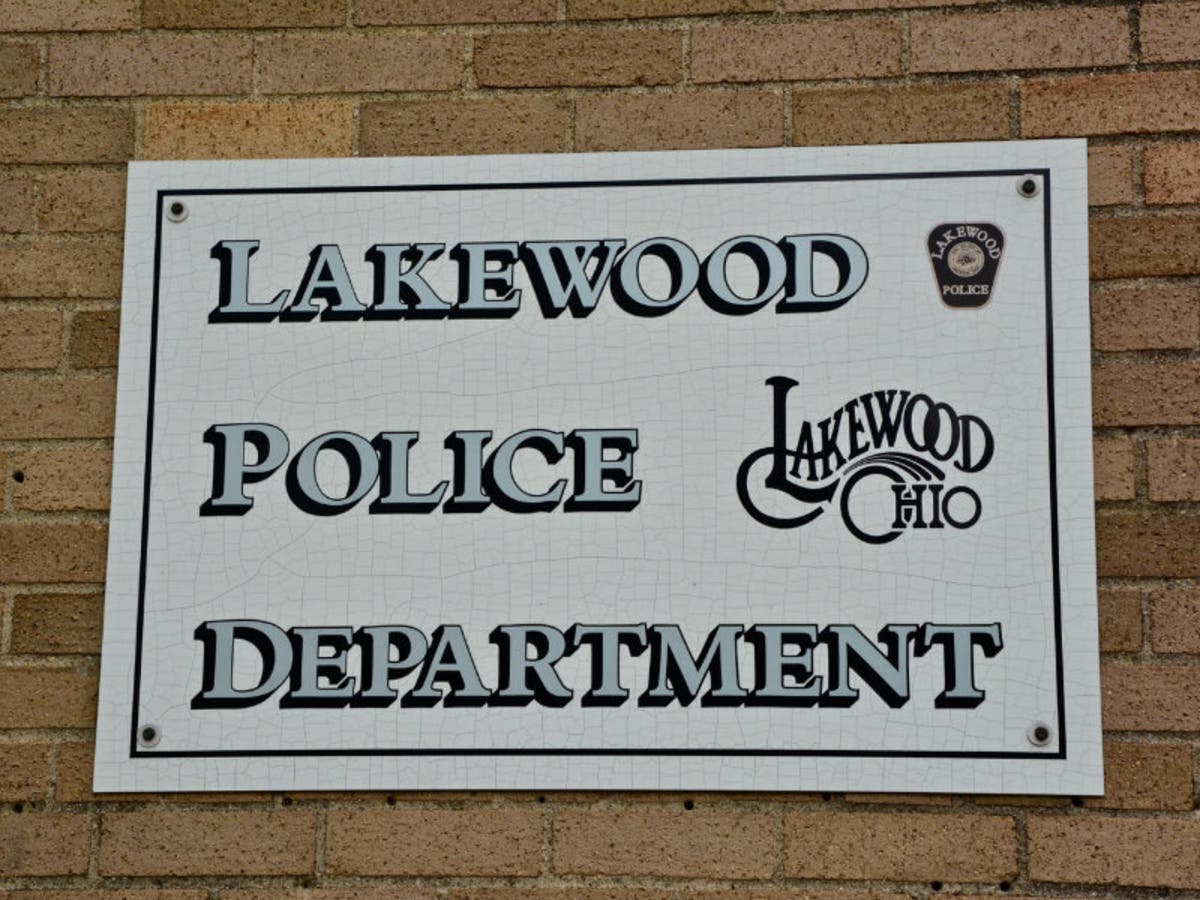
LAKEWOOD, OH — The Lakewood Police Department has received a $41,931.25 grant from Ohio Attorney General Mike DeWine's office. A spokesperson for the department said the grants have been awarded to Lakewood for the past few years and will be used to support D.A.R.E. programs in the city.
The grant given to Lakewood is part of a massive program that sent funds to 130 sheriffs' offices and police departments throughout Ohio. According to a release from DeWine, all grant funds must be used to establish or maintain drug abuse prevention education and awareness programs for students during the 2017-2018 school year. Departments are also required to provide over-the-counter prescription medication abuse and prevention programs.
The Lakewood Police Department has two officers who work as D.A.R.E. and School Resource Officers in the public and private elementary schools, middle schools and high school in the city. (Subscribe to the Patch Lakewood newsletter for local news and updates.)
Find out what's happening in Lakewoodfor free with the latest updates from Patch.
"The abuse of prescription drugs is one of the primary reasons behind the current opiate epidemic in Ohio, which is why it's important that students receive age-appropriate lessons about the dangers of these and other drugs at an early age," said DeWine in a statement.
The police department's D.A.R.E. program is one part of a multi-pronged approach the city is taking to tackle the spreading opioid epidemic. Mayor Mike Summers and Lakewood City Council passed a resolution in late spring declaring the opioid crisis a public health emergency in Lakewood. The resolution qualifies the city for additional state and federal funding to bolster the fight against opioid addiction.
Find out what's happening in Lakewoodfor free with the latest updates from Patch.
"We have applied for a federal bureau of justice grant to do two things. First, peer-based response to someone that has just overdosed. The idea would be that we make contact with them within 24 hours to connect them to sources of rehabilitation. After a near-death experience, they will be in the mindset to recognize they need to make changes," Summers told Patch in late May. "The other piece is the creation of a safe harbor at our Fire Station Number One. Anyone who wants to make changes could show up, effectively turn themselves over to the rehabilitation process."
Read more on the city's approach to opiates here.
Photo from Rick Uldricks/Patch
Get more local news delivered straight to your inbox. Sign up for free Patch newsletters and alerts.