Politics & Government
Burmese Refugee Recalls Life Before Lakewood
Lakewood resident came from a camp "where we didn't know if we would be alive the next day."
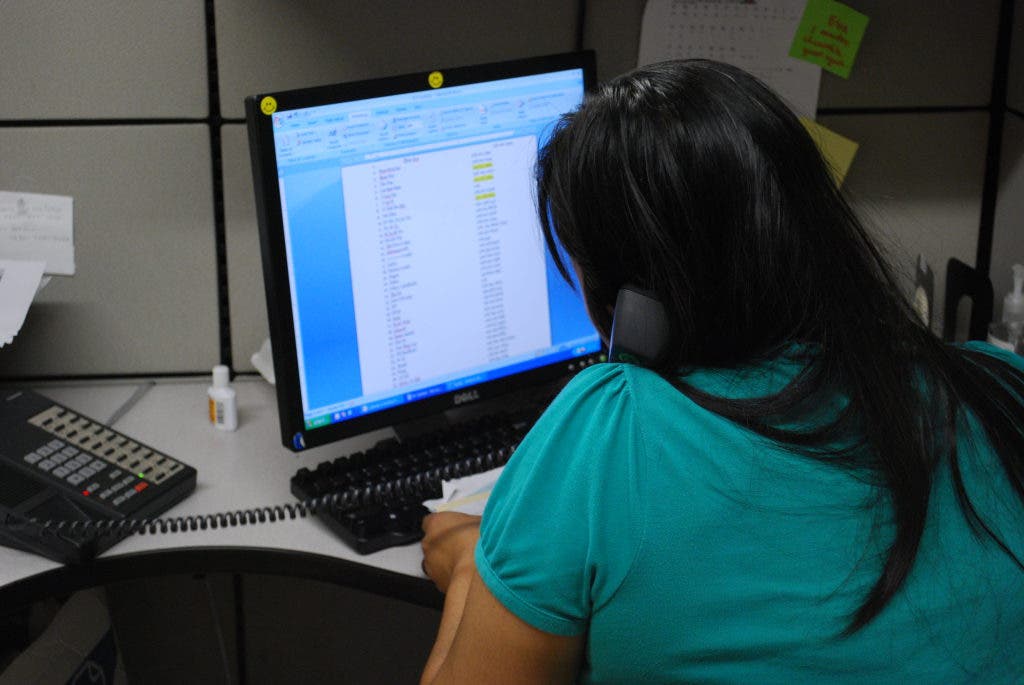
Paw Pree, like many refugees coming to America for the first time, received a rude awakening when she stepped off the plane at LAX Airport in Los Angeles.
“The security lady didn’t understand what I was saying,” said the 25-year-old Burmese immigrant. “I cried. I wanted to go back.”
She was fleeing a refugee camp in Thailand for ethnic Burmese minorities politically and religiously persecuted at the hands of the ruling military junta.
Find out what's happening in Lakewoodfor free with the latest updates from Patch.
According to a report released by Refugee Response, a Northeast Ohio non-profit helping refugees assimilate in the region, 115 Burmese refugees resettled in Lakewood between July 2007 and January 2010.
The US Census Bureau puts Lakewood’s “other Asian” population at 374, more than double what it was in 2000.
Find out what's happening in Lakewoodfor free with the latest updates from Patch.
Paw Pree — who moved to Lakewood in 2008 — is a "Karen," a mostly-Christian minority group making up only 7 percent of the 50 million Burmese citizens, but nearly 79 percent of the 150,000 Burmese refugees living in Thai camps.
“I was living in the camp since 2002,” she said. “Most of us live (there) for several years, but some for their whole lives.”
Her monthly food ration at the camp consisted of rice, beans, oil, fish paste and charcoal.
“It was enough to stay alive,” she said.
Kitty Leung, manager of Children, Youth and Family Services at Asian Services in Action, Inc., a Cleveland refugee resettlement organization, said the camps may be in neighboring Thailand, but the Burmese military regime still has a grip of fear.
“One of our students wished to visit their old camp, but found out it had been raided and burned,” Leung said.
When the junta began invading Karen villages, Paw Pree was forced into manual labor, building roads strictly for military use and carrying the officer’s supplies.
In 2002, when she was 16, she fled, and walked east through the jungle for three days in hiding, until she reached the Thai border.
“I had to hide from the government,” she said.
Paw Pree now lives on Newman Avenue, and has “fallen in love” with Lakewood.
“I’ve never seen any bad neighbors,” she said. “The teachers and the schools are very supportive of us, and I just love, love, love Lakewood.”
She’s grateful about her new life, but it didn’t come easy.
She works full-time at ASIA Inc., helping organize educational and after-school programs for other refugees and their children. She’s also taking classes to become a registered nurse at Cuyahoga Community College.
She said she's not used to planning for her future.
"I had dreams and everything, but when I was (in the camp), it seemed like there is no future," she said. "We had to run away because there might be a fire there. We weren't sure if we were going to be alive the next day, so we tried to forget about the future."
But after three years in the US, Paw Pree still gets excited over the little things, such as light switches and using dollars.
“I love the words on the bills, ‘In God We Trust,’” she said. “I just love that.”
One of her greatest hurdles is the language barrier — despite enrolling in countless classes.
“Sometimes I struggle at school, with speaking in class,” she said. “I worry what the others will think, so I don’t talk sometimes.”
Leung said many struggle with English, particularly older children who are usually placed in school based on their age.
“When you have kids who haven’t received any education, placed with sophomores in high school, it’s really hard for them to keep up,” Leung said.
But Paw Pree isn’t giving up any time soon.
“In 2013, I’ll take the citizenship test,” she said. "I'm really excited."