Politics & Government
Examining the Many Facets of Lakewood's Issue 64
The polarizing issue has split the city in half and the rhetoric has grown increasingly volatile on both sides.


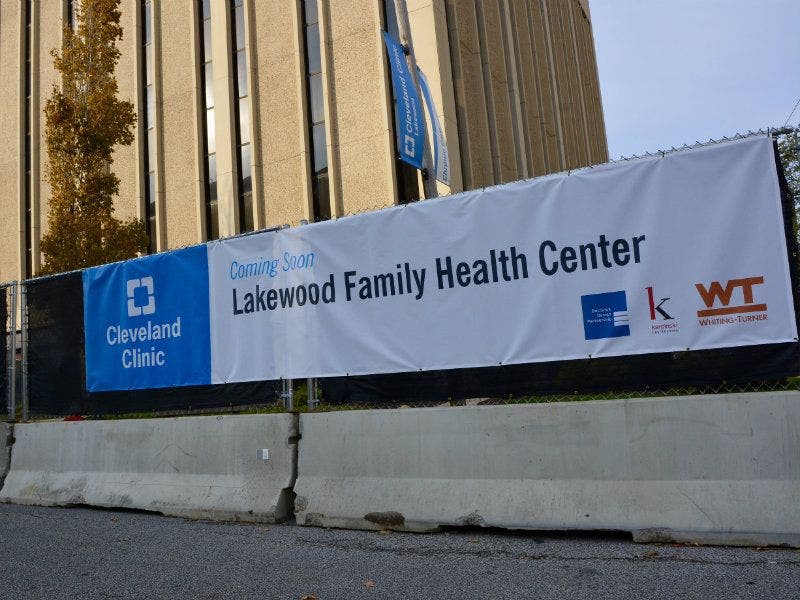
LAKEWOOD, OH - Issue 64 in Lakewood is one of the most divisive on the ballot. Voters will be asked to affirm or reject an ordinance from city council that allowed for new contracts involving the former hospital property. If voters reject the ordinance, it will not re-open the hospital but undo the ordinance. It is currently unclear if the vote would impact the contracts themselves. Both sides seem to agree that no matter what the vote is Nov. 8, the hospital will not re-open Nov. 9.
Plucking the facts from the mud can be difficult for even a seasoned reporter, so the public must also be reeling. Here's what we know:
- On Nov. 8, residents will vote on an ordinance that closed Lakewood Hospital. A vote For 64 affirms the ordinance, a vote Against 64 rejects the ordinance.
- The city owns the property at 14519 Detroit Ave. However, the city does not operate the hospital. All clinical functions are handled by a not-for-profit organization called the Lakewood Hospital Association.
- Lakewood Hospital Association signed an agreement with the Cleveland Clinic in 1996 to provide 30-years of healthcare services to the LHA facility. The lease is set to expire in 2026.
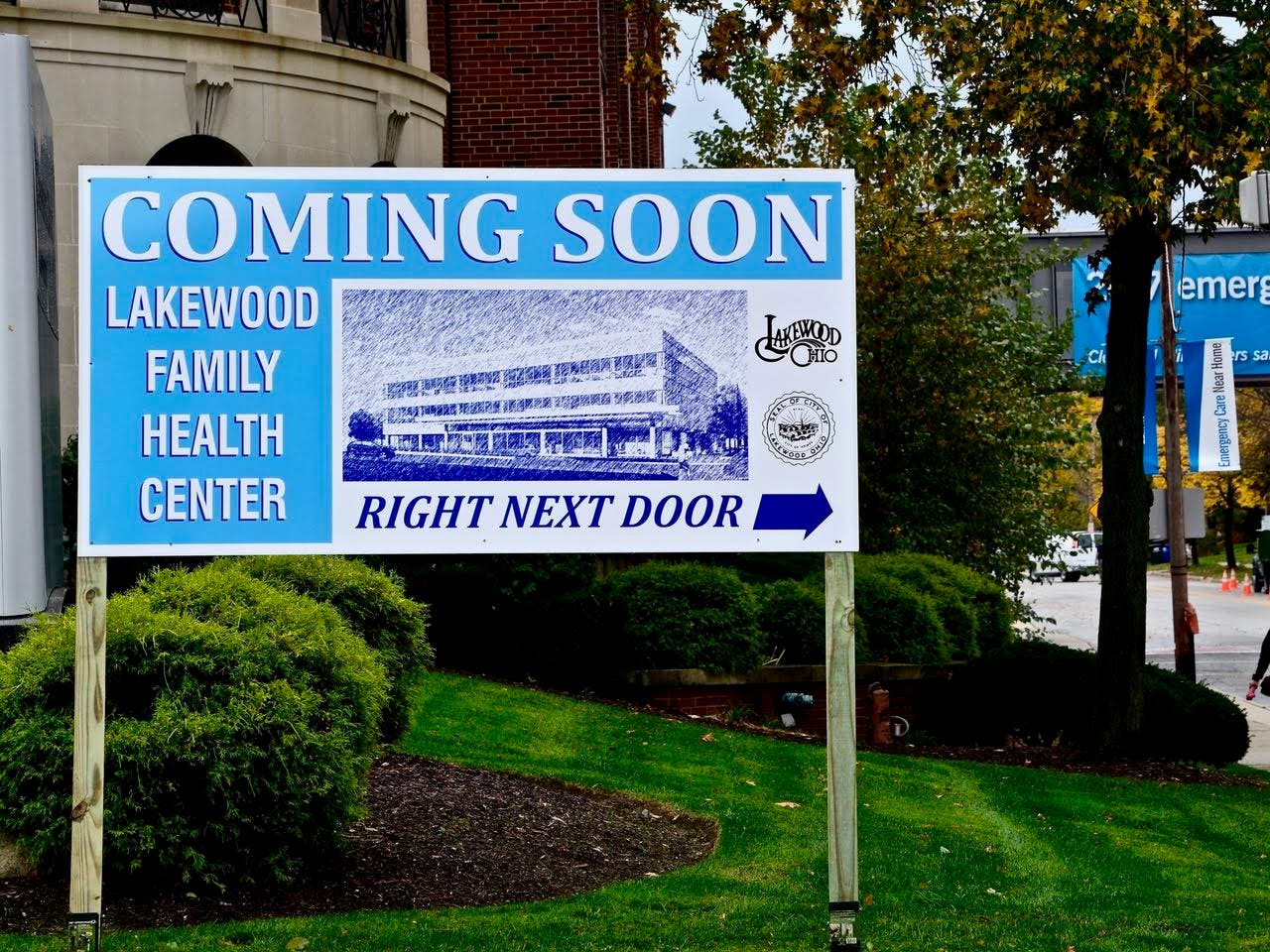
- Lakewood Hospital has been shut down and will be replaced by a family health clinic and 24-hour emergency department. Demolition on former portions of the hospital has already begun.
- A similar, though different in key ways, Issue 64 appeared on the ballot last year and the public voted in support of allowing city council to decide the hospital's fate. However, the 2015 defeat of Issue 64 was narrow, 48 percent of citizens voted for having a public vote on the fate of the hospital, 52 percent voted against.
These are, more or less, the agreed upon facts by both sides. The fundamental difference between those looking for a vote in favor of 64 and those looking for a vote against is a simple question: is this the best deal for the citizens of Lakewood?
Find out what's happening in Lakewoodfor free with the latest updates from Patch.
The city's answer, obviously, is yes. Nearly all of the city's elected officials have come out supporting the city's decision and arguing that the proximity of other hospitals and shifting healthcare delivery models make it imperative to alter the way people are treated in Lakewood.
However, an organization called the Strong Lakewood Group would say no. They argue the city is hurting residents by allowing the hospital to disappear. However, three people belonging to or associated with the Strong Lakewood Group declined to speak about Issue 64 prior to the Nov. 8 election.
Find out what's happening in Lakewoodfor free with the latest updates from Patch.
Is This the Best Deal?
The arguments for both sides are both simple and complicated. We'll start with Strong Lakewood.
The organization believes that the city agreed to a sweetheart deal with the Cleveland Clinic without fully exploring other options. There are also those that feel the city buried a bid from MetroHealth to open an inpatient facility in Lakewood (more on that later).
The Strong Lakewood folks also argue that the hospital was profitable until 2014. They do note that the Cleveland Clinic was steering patients to other hospitals by 2015, which would have impacted patient intake numbers and hurt hospital revenue.
There is a belief that if Issue 64 is voted against and the city must reconsider its decision on the family health center that another hospital system may enter the fray with a proposal for an inpatient facility. However, there have been few tangible prospects for that deus ex machina other than MetroHealth.
On the other side of the coin is the argument that the family health center is the best remaining option for the citizens of Lakewood. Summers has said that it would be ideal for an inpatient facility to remain but that prospect seems highly unlikely for a few reasons.
First, there is immense competition around Lakewood. The Clinic recently opened an inpatient hospital in Avon and Fairview Hospital is a few minutes west from Lakewood. MetroHealth's metro campus and the Cleveland Clinic are both in the east. While the city's 50,000 residents could support a full-scale inpatient hospital, the city argues, many of Lakewood's residents get their healthcare in other cities.
Second, despite appearances, Lakewood Hospital was not profitable. Mayor Michael Summers has documentation showing the hospital's net revenues falling since 2008 (with a brief spike up in 2011 before the decline began again). The reason the hospital looked like it may be profitable or breaking even in 2014 were cuts in operating cost and an influx of orthopedic patients as a result of a partnership with a group of surgeons. Those same orthopedic patients were mostly coming from Lorain County and will now be visiting the Cleveland Clinic Avon Hospital. Which is to say, those revenues are now gone.
"The trustees and Clinic worked to stabilize the hospital. We got it to a break even model in 2012. As revenues dropped, the cut costs, and they reached a break even point," Summers said. "It's not a sustainable position though, because you cannot cut your way to success. They were getting costs down to survive."
The Other Hospital
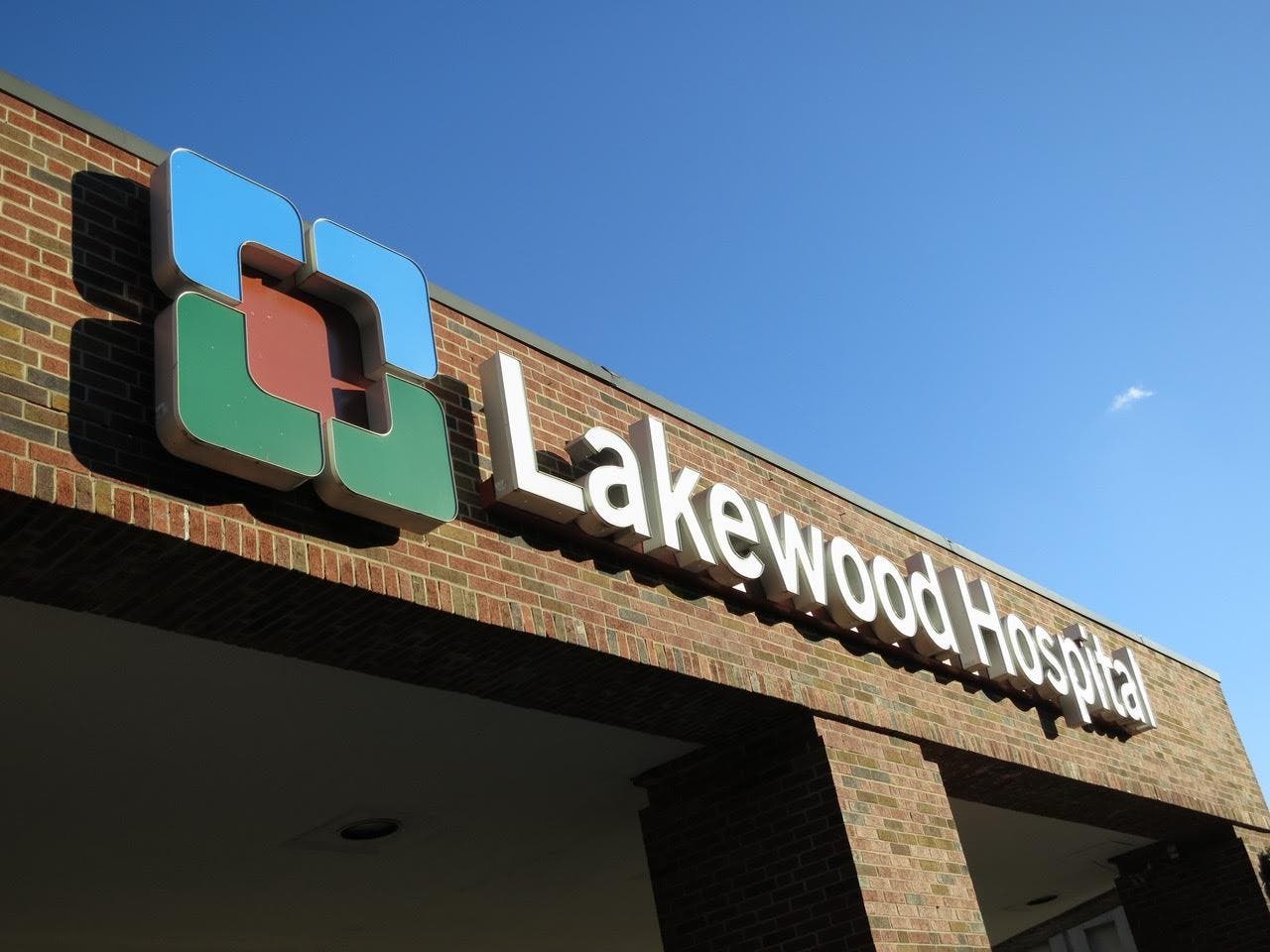
One of the much debated points with Issue 64 is whether or not another hospital system would be interested in taking over management of Lakewood Hospital. The name that is most frequently brought up in this conversation is MetroHealth, who originally submitted a bid to operate a full-scale hospital before either withdrawing the bid or the city decided to in another direction.
The reason for the duality is this: a letter from Metro's President and CEO Akram Boutros clearly states that the hospital system withdrew its bid from consideration. The letter is dated Oct. 3, 2014. However, in 2015, a MetroHealth spokesperson gave a more ambiguous answer, telling cleveland.com that: "Yes we responded to the [request for proposals]," MetroHealth spokeswoman Tina Shaerban Arundel said in a written statement. "The city of Lakewood decided to go with the Clinic's proposal."
Some in the Strong Lakewood camp feel Summers buried the MetroHealth proposal, rather than consider it. However, Boutros sent a second letter June 18, 2016 saying the hospital system had moved on to other priorities which did not include an inpatient facility in Lakewood. You can read the letter here.
While the hospital system is reticent to go on record, likely to avoid the negative media attention, there are no indications the system's stance on operating a full-scale hospital system in Lakewood has changed. Which is to say, they don't seem interested in entering Lakewood.
There are also disputes about the presentation itself. The For 64ers say the proposed deal came with few guarantees of long-term tenure at the Lakewood Hospital site and asked a great deal from both the LHA and city in terms of resources. The system committed to putting in $100 million in capital improvements. However, the city says it also wanted about $88 million in existing hospital funds turned over to Metro.
"The proposal had some attractions to it. Metro's medicine is well respected," Summers said, "However, there was no guarantee beyond 2026 and the proposal called for a modest 100-bed setup. They also no financial resources to bring to bear and their expectation was that all of the LHA's resources would be given, for free, to Metro, including about $50 million in cash and a foundation that had $33 million in it."
There is also a slide in Metro's presentation that discusses the 13 percent growth of outpatient care in Lakewood and how the system expected that market to continue to evolve.
However, Metro also speculated they could consolidate ambulatory visits at Lakewood and increase those visits from 35,000 under the Clinic in 2013 to 61,000 under Metro. The proposal also suggested shifting 30,000 emergency room patients from Metro's ER to Lakewood Hospital. Metro said it would keep 900 full-time employees, giving it a significant income tax advantage over the family health center plan (which maintains 150 FTEs).
All of which are details that may have weighed on both the LHA and the city's decision on what to do with the property. However, Metro is ambivalent, at least publicly, about saying they're interested in westward expansion at this point, particularly with an inpatient model.
What Happens if Issue 64 is Voted Against?
This is another point of contention. The city's law director, Kevin Butler, along with several large law firms, have said a vote against 64 guarantees only new lawsuits. The vote cannot and will not re-open Lakewood Hospital, nor will it necessarily stop the Clinic's plans to open a family health center. There are a few reasons why, according to Butler. First, the city is entered into no agreement with the Clinic. LHA and the Clinic are parties to the 1996 definitive agreement. The city is not on that agreement.
"There is a widespread perception that LHA's operational, maintenance and other obligations associated with Lakewood Hospital under the lease are passed through to the Cleveland Clinic in the definitive agreement," Butler said in a letter to city council in 2015. "This is not the case."
He elaborates that the Clinic is under no obligation to provide specific services at the Hospital. Summers adds that at this point, with contracts signed and demolition under way, a vote against 64 may effectively do nothing.
"I would listen to the voice of the people though," he said. "If they wanted us to take another look at what we're doing, I would listen."
According to their website, Strong Lakewood argues that if voters reject the ordinance closing the hospital then the following things could happen:
- removal of restrictions on use of our hospital campus for medical services
- a qualified consultant to legitimately market our hospital to all potential partners
- a “right-sized” full-service community hospital and emergency room in Lakewood
- rejecting the release of liability for past conduct by those who failed to meet contractual obligations to maintain Lakewood Hospital
- obtaining fair compensation for the proposed medical office building site and other assets
However, it appears clear that no matter the vote on 64, the hospital will not immediately re-open and in fact demolition of the existing facilities may continue.
Summers says that he believes the public will affirm Issue 64 on Nov. 8. However, he reinforces that if they do not he will listen to his constituents as best he can and see if there is something the city can do to change course.
If you feel we've missed a key point or would like to share your opinion on Issue 64, simply setup a Patch account. Simply go to a Patch page and click, "Post on Patch" in the upper right hand corner to create your account.
Photos from Rick Uldricks, Patch
Get more local news delivered straight to your inbox. Sign up for free Patch newsletters and alerts.