Neighbor News
Rep. Nickie Antonio sponsoring legislation to protect patients from Step Therapy - HB 72
Step therapy is cost savings tool by insurers forcing patients to take and fail on medications other than what their doctor prescribes

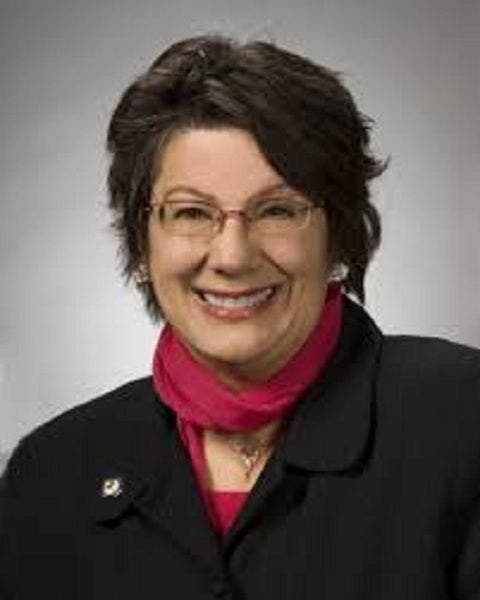
State Representative Nickie Antonio Co-Sponsors House Bill 72
Ohio Senate Bill 56 and House Bill 72 Seek to Reform Step Therapy Requirements
Provisions will allow great transparency, streamlined appeals process for doctors
Find out what's happening in Lakewoodfor free with the latest updates from Patch.
(Columbus, OH) – Senator Peggy Lehner (R-Kettering) and Ohio Senator Charleta Tavares (D-Columbus) have introduced Senate Bill 56, which seeks to address a health insurance industry practice known as “fail first” or “step therapy.” The bill was reintroduced from the last legislative session. Rep. Terry Johnson (R-McDermott) and Rep. Nickie Antonio (D-Lakewood) also introduced a companion bill, House Bill 72.
Step therapy is a cost savings tool used by health insurers that forces patients to take and fail on medications other than what their doctor has prescribed, before their insurer will cover the cost of the original medication. To date, 11 other states have passed laws to reform step therapy practices.
Find out what's happening in Lakewoodfor free with the latest updates from Patch.
“Ohioans for Step Therapy Reform” is a coalition of 50 patient advocacy and physician organizations that are working together to advocate for the bills and support step therapy reforms.
“For some patients, to fail on a medication could mean serious health setbacks,” said Dr. Shannon Trotter, a Board-Certified Dermatologist in Springfield. “For someone with epilepsy, they could have a seizure; for someone with mental illness, they could have a psychotic episode; for someone with psoriasis, they could endure a prolonged skin rash outbreak; for someone with arthritis, the pain and swelling of joints could persist, to the point of needing surgery; for someone with cancer, the chance of reaching remission or being cured, could be delayed while the cancer worsens. For these serious conditions, and a wide range of other diseases and chronic illnesses, step therapy is often imposed on patients.”
Step therapy protocols can be harmful to patients both financially and physically, causing an undue wait for the proper treatment and in some cases a worsening of a person’s medical condition. Step therapy does not take into account an individual’s medical history or other factors, but instead relies upon a pre-determined prescription drug formulary or protocol.
Senate Bill 56 and House Bill 72 would not ban step therapy, or the number of steps an insurer can implement. The bills require that an insurer’s process for requesting a step therapy override is transparent and available to the provider and patient. The provisions include:
- Requiring that an insurer’s process for requesting a step therapy override is transparent and available to the provider and patient.
- Allowing automatic exceptions to step therapy requirements when:
- The required prescription drug is contraindicated or will likely cause an adverse reaction
- The required prescription drug is expected to be ineffective
- The patient has previously tried the required drug or a drug in the same pharmacologic class and the drug was ineffective or caused an adverse event
- The required prescription drug is not in the best interests of the patient based on medical appropriateness
- The patient is stable on a prescription drug for the medical condition under consideration.
- Ensuring that step therapy programs are based on clinical guidelines developed by independent experts.
More information about fail first/step therapy protocols and its impact on patients is available at www.reformsteptherapy.com and by using the hashtag #FailFirstFeb on Twitter and Facebook.
##
OHIOANS FOR STEP THERAPY REFORM
American Academy of Dermatology Association
American Academy of Pediatrics Ohio Chapter
American Association of Diabetes Educators
American College of Rheumatology
American College of Surgeons, Ohio Chapter
Academy of Medicine of Cleveland and Northeast Ohio
American Cancer Society Cancer Action Network
American Diabetes Association
American Lung Association, Ohio and Michigan
Arthritis Foundation, Ohio
Cincinnati Area Senior Services
Cancer Support Community, Greater Cincinnati-Northern KY and Central Ohio
Central Ohio Diabetes Association
Chi Eta Phi Sorority, Inc.
Coalition of State Rheumatology Organizations
Columbus Chapter Black Nurses Association
Crohn's & Colitis Foundation of America: national, Central Ohio, and Southwest Ohio
Diabetes Partnership of Cleveland
Leukemia & Lymphoma Society
Lupus Foundation of America, Greater Ohio
Mended Hearts of Central Ohio
Mental Health & Addiction Advocacy Coalition
Mental Health America of Franklin County
Myasthenia Gravis Foundation of America, Columbus Support Group
National Alliance on Mental Illness, Ohio
National Organization for Rare Diseases
National Kidney Foundation, Central Ohio
National Liver Foundation, Heartland Division
National Multiple Sclerosis Society
National Patient Advocate Foundation
National Psoriasis Foundation
Ohio Osteopathic Association
Ohio Academy of Family Physicians
Ohio Asian American Health Coalition
Ohio Association of County Behavioral Health Authorities
Ohio Association of Rheumatology
Ohio Bleeding Disorders Council
Ohio Dermatological Association
Ohio Federation for Health Equity and Social Justice
Ohio Foot and Ankle Medical Association
Ohio Hematology Oncology Society
Ohio Pharmacist Association
Ohio Psychiatric Physicians Association
Ohio Sickle Cell and Health Association
Ohio State Medical Association
Prescription Assistance Network of Stark County, Inc.
Prevent Blindness Ohio
The Epilepsy Association (serving northeast Ohio)
The Ohio Council of Behavioral Health & Family Services Providers
U.S. Pain Foundation