Community Corner
Daylight Saving Time 2017: When Is It Time to Spring Forward?
You'll lose an hour of sleep, but gain an extra hour of daylight. Also, did you know the risk of heart attack goes up after the time switch?


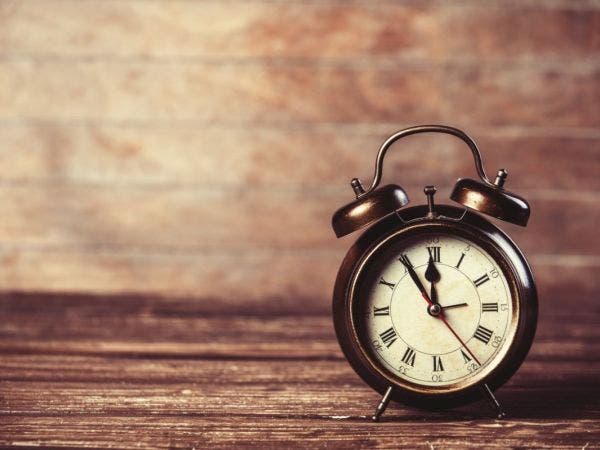
Don’t forget the first half of the “spring forward, fall back” maxim this weekend. Daylight Savings Time officially begins at 2 a.m. Sunday, March 12.
You’ll lose an hour of sleep Saturday night and Sunday morning with the switch to Daylight Saving Time and it will mostly likely be dark outside when you get up. But you’ll also get an extra hour of daylight
Difficulty adjusting isn’t just psychological. A study two years ago by the University of Michigan showed that the short-term risk of a heart attack goes up about 25 percent after the switch to Daylight Saving Time.
Find out what's happening in Mentorfor free with the latest updates from Patch.
U-M cardiologist Dr. Hitinder Gurm, the study’s author, said that though it’s tough to pinpoint an exact reason, data showed a 25 percent surge in heart attacks on the first full work day after the time switch.
Researchers have long known that most heart attacks occur on Mondays, but the study suggests that the stress Americans go through as they to adjust their internal clocks to the time change plays a role in the spike in heart attacks, Gurm said.
Some local cities are also using the jump in time to remind residents to check their smoke alarms and clocks.
Find out what's happening in Mentorfor free with the latest updates from Patch.
See Also
So, what are the best ways to avoid sleep deprivation — which the U.S. Centers for Disease Control and Prevention says already affects about one-third of adults in the United States. Here are some tips:
- You know it’s coming. Go to bed an hour early Saturday, and make sure you get seven to eight hours of sleep.
- Get the kids to bed early, too. They pay more attention to their internal clocks than timepieces, so implement the routine Saturday night to help them adjust to the lighter-than-usual bedtime, so they’ll be set up for a good night’s sleep before school on Monday.
- Be patient with the kids. They may throw temper tantrums or show signs of frustration, but it’s usually short lived. Adults can be also be cranky during the first several days after the time switch. You’ll get over it, too.
- New baby? Pretend nothing has changed. That means taking the baby outside, even if it’s cold, to help the baby’s internal clock adjust. Getting 30 minutes of sunlight first thing in the morning will help you, too.
- Limit your vices. That shot of booze may seem like a good idea, but it will fragment your sleep. And, of course, limit your caffeine intake in the late afternoon and evening. Chamomile tea or a glass of warm milk is a better choice.
- Don’t eat a big meal right before bedtime, either.
- If you are using the extra hour of daylight at the end of the day for exercise, make sure your session ends three hours before bedtime, because the energy boost exercise gives you can cause insomnia.
- Wind down with a relaxing activity, like a warm bath or shower, gentle stretching or yoga.
- Let the sun shine in. Experts say that pulling back the curtains and allowing the sun to shine in the windows in the morning improves alertness during the day. You’re also more likely to feel sleepy when it is time to go to bed.
- Turn off the bright lights an hour or two before you go to bed — yes, even the television, your computer and other electronic devices. Read a relaxing book or listen to soothing music instead.
- Don’t give in to the urge for a long nap. Take a brief power nap if you need, but longer naps will disrupt your sleep schedule and make it more difficult to adjust to Daylight Saving Time.
- Make your bedroom is a sleep sanctuary — dark, quiet, well ventilated and at a slightly cooler temperature.
Currently, some 70 countries around the world observe Daylight Saving Time. The farther they are from the equator, the more likely nations are to change their clocks. China, India and Japan are the only major industrialized nations that don't spring forward and fall back.
The U.S. also has some holdouts — Arizona, Puerto Rico, Hawaii, U.S. Virgin Islands and American Samoa do not observe Daylight Saving Time.
Adapted from The Los Angeles Times, Health.com, CBS News, Parents.com and SleepLady.com
Written by Beth Dalbey, Patch
Get more local news delivered straight to your inbox. Sign up for free Patch newsletters and alerts.