Community Corner
Goodbye Uptown Parking Spaces, Hello New Taxi Stand
With the high demand for taxis Uptown and nowhere for them to park, the City of Oxford converted eight parking spaces into taxi stands.

BY BLAIR DONOVAN | Miami University Journalism Student
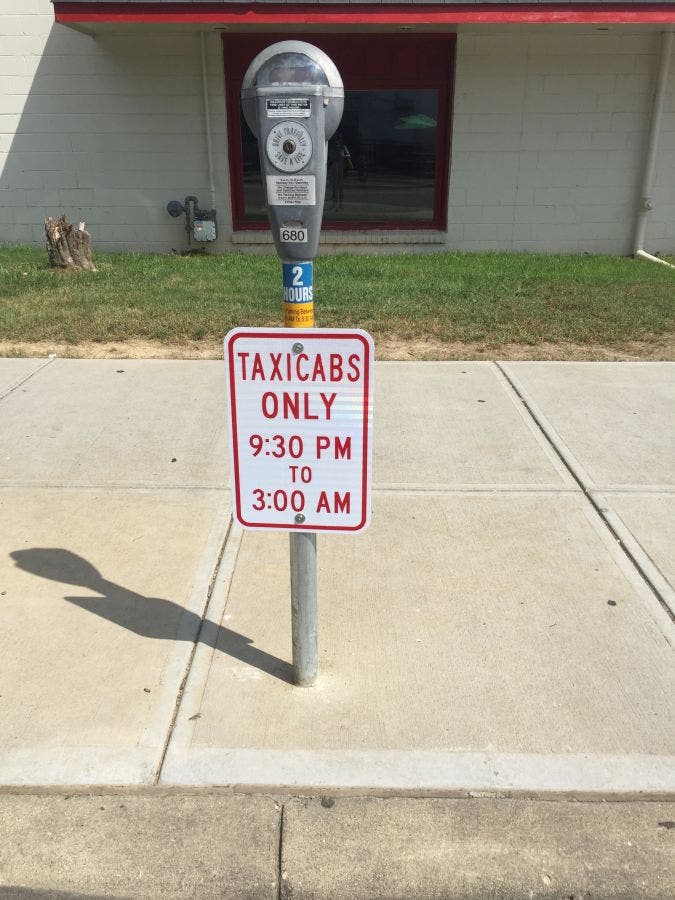
To make parking Uptown less congested, the City of Oxford created eight designated taxi stands on Poplar Street on August 28, with signs labeling them.
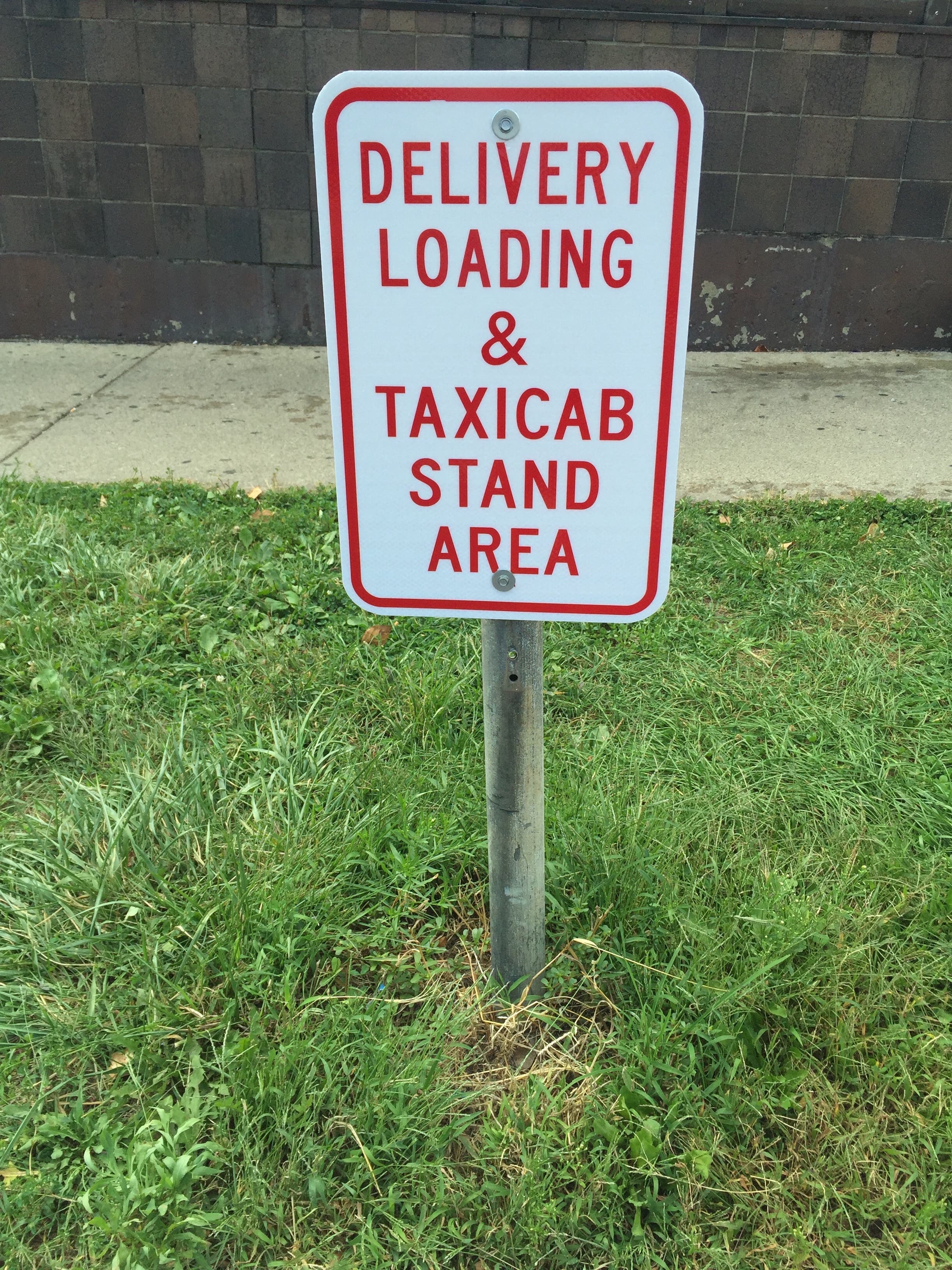
Five metered spots on North Poplar Street will convert from regular parking spots to stands after 9:30 p.m. each day. The remaining three spots on South Poplar Street outside of 45 East will double as a truck loading zone and a 24 hour taxi stand.
Find out what's happening in Oxford-Miami Universityfor free with the latest updates from Patch.
The City of Oxford is in the process of updating its ordinance regarding taxis. The city initiated the idea for the taxi stands.
Find out what's happening in Oxford-Miami Universityfor free with the latest updates from Patch.
G. Alan Kyger, Oxford’s Economic Development Director, said he recognized the need for safe spots for taxis to wait.
“If you weren’t in a cab, you would be walking home or driving,” said Kyger. “There’s more opportunities for vandalism at 3 a.m. with people out on the streets. Taxi cabs do a good service; they get people home safely.”
Kyger met with Officer Derrick Carlson of the Oxford Police Department, the official liaison between the city and taxi companies, and Lt. Lara Fening on April 20 to discuss the taxi issues. According to notes from the meeting, the original purpose was to “discuss the existing situation where there are no sanctioned taxicab stand areas.” Because of this, taxis parked wherever they could find a spot Uptown.
“When you had 10 cabs jocking for a walk-up fare, they would start to clog a certain area,” said Carslon. “Come 1 a.m., you have people trickling out of the bars. Cabs were all piling up in the street corner, taking up crosswalks, fire hydrants, yellow zones, handicap spots.”
They contemplated where to add the spots so that community members would get the most use out of them.
“Truly the best spot was outside of Brick Street, but there are tour buses there,” said Kyger. “They bring in a fair amount of concerts, so the cab spaces would interfere.”
After reconvening on May 20, they ultimately decided the most high-traffic and convenient areas would be on Poplar Street. They also decided to convert five spots into stands after 9:30 p.m. to avoid taking away parking spots from the dinner crowd.
Carlson held a town hall meeting prior to the taxi stand implementation to get feedback from taxi drivers, and the idea was well received, he said.
Kyger also spoke with Mark Weisman, owner of 45 East and Brick Street, since the stands would directly affect parking outside his businesses. He agreed to the idea, but wants them to evaluate the success of the stands after a few months.
“We’re going to step back and see how it’s working, but my guess is the late night spots will work,” said Kyger. “But will there be a demand for the 24 hour spots? It’s a great opportunity to roll the dice and try it, but if it doesn’t work we might make that one a late night one, too.”
Converting metered spaces into taxi stands will cause a loss of revenue at around $9 per day, but Carlson said he thinks the stands will be safer for congestion.
“There’s a learning curve that has to occur because right now, if you walked out of a business during the day and needed a cab, you would have to call them,” said Carlson. “Now, with the 24 hour spots, we hope that people will know where to walk to. If you need a cab during the day, then you can walk to a stand.”
Kyger wants the entire community to benefit from the stands.
“The operation of the town shouldn’t be all just based on student needs, so that’s why I pushed for the 24-hour spots,” said Kyger. “Or, maybe they’ll just sit around and not get used.”
Photo by Blair Donovan