Schools
Miami University Panel Addresses Effects Of Drinking Culture
High-risk alcohol consumption prompted a series of events from the College of Education, Health, and Society
By Dylan Srocki
Miami University journalism student
From April 25 to the 27, the Miami University College of Education, Health, and Society held a number of events designed to "continue Miami and Oxford’s conversation about high-risk alcohol consumption by students," according to an email message sent out by the school.
Find out what's happening in Oxford-Miami Universityfor free with the latest updates from Patch.
These events included airing an HBO documentary titled "Risky Drinking" both on and off-campus, as well as a forum where panel members from Miami’s Alcohol Coordinating Committee answered audience questions.
This series came after a semester of high-profile alcohol stories, including the death of a student, 21 alcohol-related student hospitalizations in one week, and 26 arrests for underage drinking on Green Beer Day. (Green Beer Day is an annual event in Oxford that falls near, or sometimes on, St. Patrick's Day.)
Find out what's happening in Oxford-Miami Universityfor free with the latest updates from Patch.
One of the biggest focuses of the series of events is how all of these incidents may be related to a drinking culture on campus. Ritch Hall, a panel member and coordinator of substance abuse services at Miami, talked about how the culture plays into alcohol consumption.
"One thing that always strikes me about Miami students is the code of Love and Honor. This idea that Miami students look out for each other, are often very well-connected in their groups. But one thing about that is what that what loving and honoring your peer looks like within this community," Hall says.
"What loving and honoring your peer looks like is, it’s your birthday, I’m going to get you drunk. You just passed that exam, so let’s get as much alcohol in your body as we can. It’s Tuesday, it’s 90’s night at Brick, so we got to go and have a really good time, because you’ve been working so hard- that work hard, play hard mentality. All of these different things contribute to the idea of the culture."
Impact On Non-Drinkers
For some students at Miami University, this is a reality. However, for those who do not drink, they are enrolled at a school that has acknowledged a culture problem, and have to go about their own lives despite what is happening around them.
Rose Marie Ward, another panelist and professor in the kinesiology and health department, talked about how the university should let these non-drinkers know that they have a voice.
"I think our ultimate goal should be to create a safe and healthy environment that elevates the student’s college experience...that could look like not saying all students drink, but acknowledging that not all students drink, and that their experiences are valued equally across our student population."
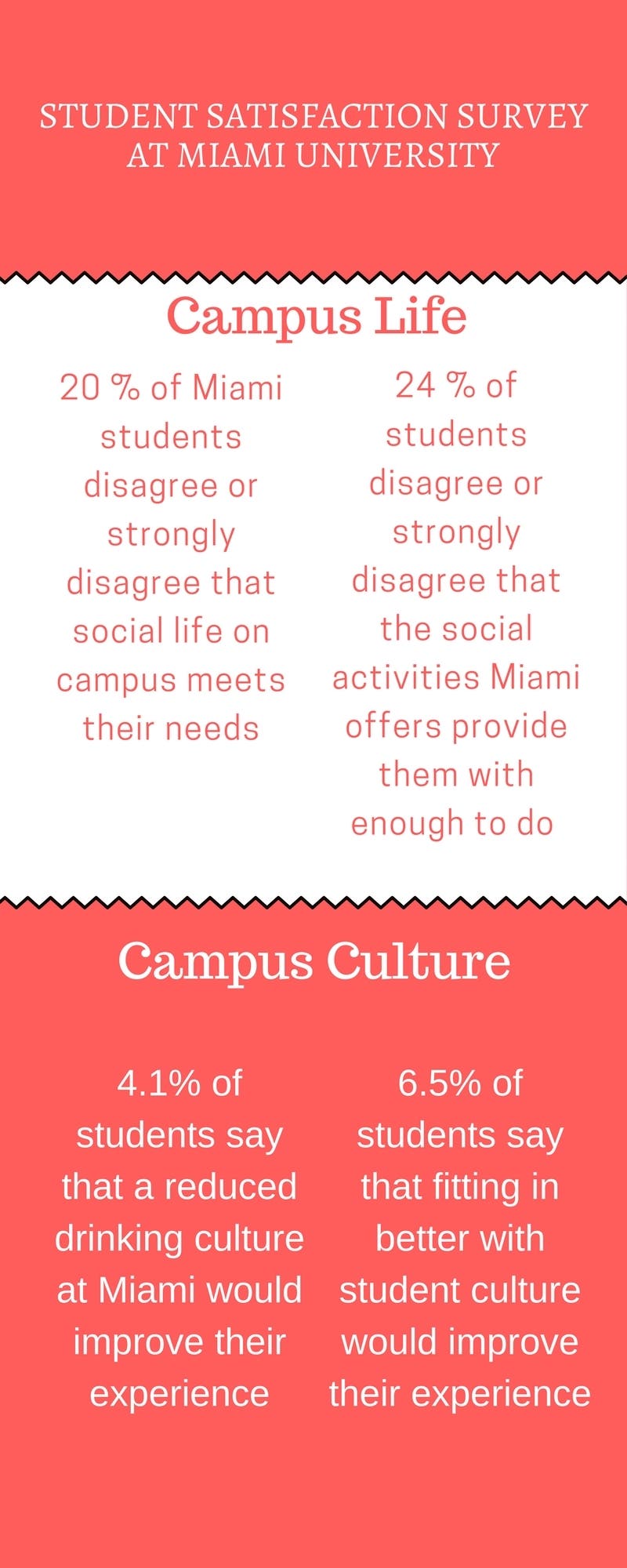
According to the latest Student Satisfaction Survey, a reduced drinking culture was the #1 Health and Safety improvement that the university could make.
Freshmen journalism major Patrick Keck acknowledges that the drinking culture has made it more difficult to find new friends at Miami.
"It’s a big part of the Miami experience, and even at the freshmen age, a lot of people feel like that’s what you do here- the whole idea of extracurricular activities is to go out and explore the Uptown area and partake in that kind of stuff," Keck says. "When you don’t do that, you’re one of the few people that don’t, it does impact [making friends] because you’re one of the only ones in your hall while everyone else is out partying."
Additional Challenges
Another way Miami's drinking culture effects the student population is related to the news media's representation of the university.
"News is always going to impact the reader," Keck says. "So something good, like our ranking in public university teaching, that certainly helps, but such instances as Green Beer Day coverage don’t reflect well on Miami’s character -- that’s not to say that this [drinking culture] happens just at Miami -- I think it’s a problem at all universities, but it does come back to hurt Miami."
Other potential problems of the drinking culture on non-drinkers include increased levels of peer pressure to try alcohol and participate in activities that they might not otherwise.
Jaan Pirn, a sophomore math education major, says he's felt that pressure himself and understands why it might be hard to resist.
“Especially freshmen year, there is a good amount of peer pressure to start drinking, but if you say you don’t want to enough times, people will stop bothering you, for the most part. You need to be pretty sure about your stance if you want to resist it.”
University Programming
Miami does offer support to students who choose not to be a part of the drinking culture. One of those initiatives is Late Night Miami, which plans programming for students on-campus during prime hours for alcohol consumption.
For students such as Pirn who choose not to drink, these events hold great appeal -- they're not only enjoyable, they allow non-drinkers and their friends to get out of their dorms and be social on campus.
“I love Late Night Miami and I'm glad they make an effort to give you a non-drinking option on the weekends. Whenever I get the email for Late Night Miami, I usually check that email, see what’s going on, and maybe half the time, 50 percent of the time, I’ll go to an event."
During Miami's most recent spring semester, 53 Late Night Miami events were scheduled, up from the 46 offered last year.
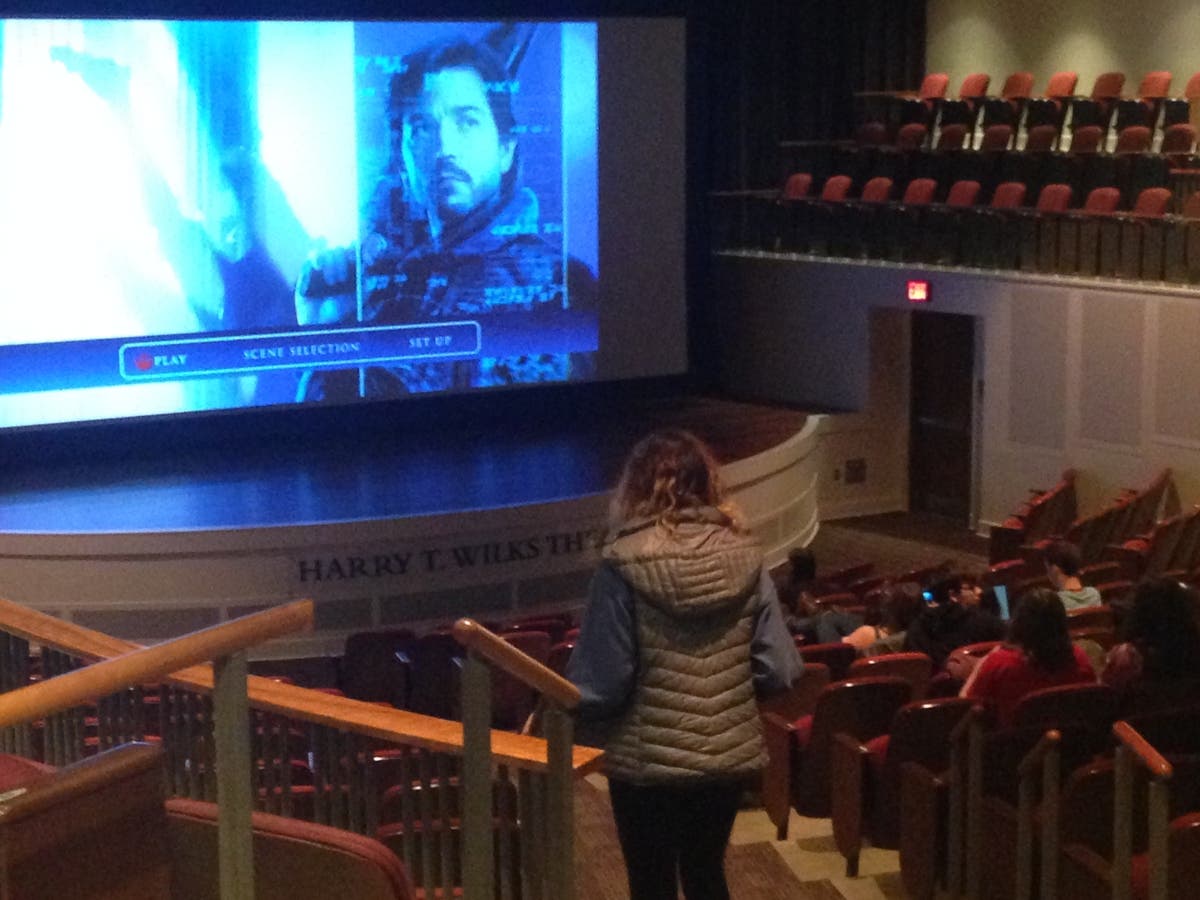
These events include movie nights, Thursday Night Coffee Houses (in which musicians play live music at Armstrong Student Center, while Miami Activities and Programming (MAP) offers refreshments), and entertainers such as comedians or magicians on a semi-regular basis.
Despite the efforts of the Office of Student Activities, some students feel like these events are not quite enough. In the same Student Satisfaction Survey, a number of students say they feel the social events sponsored by the university need to be greater in number.
"I think they should really expand it," Pirn says, "because they’re making that effort, which is great, but drinking is definitely still the dominant form of entertainment, so I think add more events, extend into the weekday as well as the weekends. I definitely think that is a program that is helping so far and should be extended."
Continuing Efforts
While these events help, they are not the ultimate solution. Hall talked during the forum about his end goal regarding drinking culture.
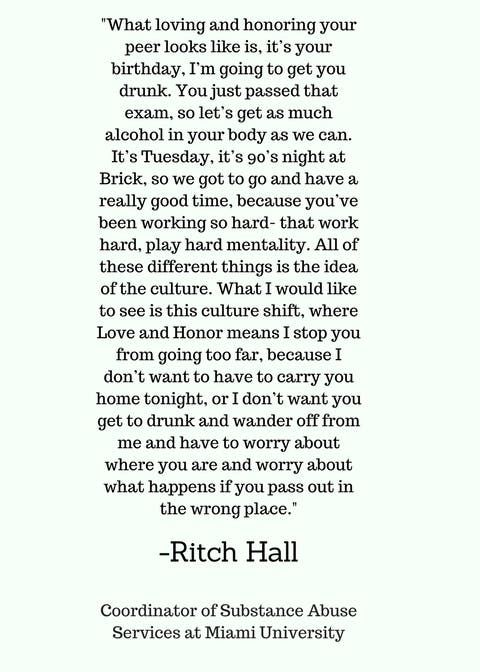
"What I would like to see is this culture shift, where Love and Honor means I stop you from going too far, because I don’t want to have to carry you home tonight, or I don’t want you get too drunk and wander off from me and have to worry about where you are and worry about what happens if you pass out in the wrong place. Love and Honor is we should have a good time, but we should also remember the times we have together, as opposed to blacking out 45 minutes in and having to piece it all together tomorrow."
President Gregory Crawford has publicly stated his commitment to changing the culture at Miami. In an official statement released on February 2 following the death of Erica Buschick, Crawford talked about how he plans to address this issue.
"Even after just a short time in Oxford, I recognize the multiple efforts our campus has undertaken to educate our students on the dangers of high-risk alcohol consumption and to provide programs and resources to prevent it. I have asked our Dean of Students, Dr. Michael Curme, to reinforce this message to our students. With the help of external experts, I will be working with the University’s senior leadership to undertake a holistic assessment of our efforts."
He has already begun work on at least one of those assessments. Crawford is developing a more comprehensive survey about student thoughts on campus, the "One Miami" Campus Climate survey. Focus groups have been drafting the survey this semester, with the goal of implementing it next fall, and having results ready by spring of 2018.
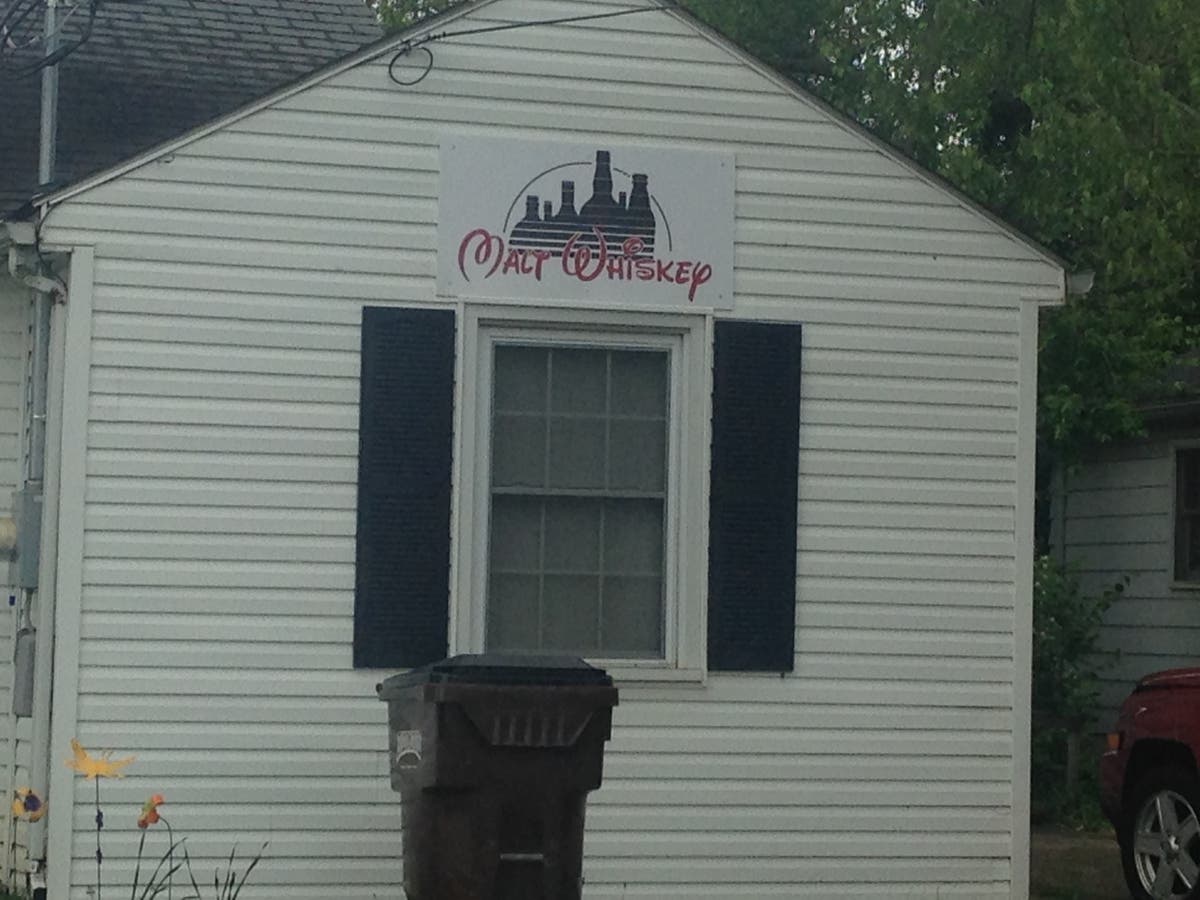
Photo: The drinking culture at Miami University is present in many aspects of the student experience, including the tradition of naming your house. --Photo by Dylan Srocki