Neighbor News
Oxford Creates First Heroin Quick Response Team
Oxford residents will receive a follow up visit from the police department after surviving an opiate overdose.


By CARLEIGH TURNER
Miami Journalism Student
For the first time in its history, the Oxford Police Department has created a heroin quick response team.
Find out what's happening in Oxford-Miami Universityfor free with the latest updates from Patch.
The team, consisting of a policeman, fireman and a drug and alcohol abuse counselor or social worker, follows up with patients after a non-fatal opiate overdose.
“We don’t want to see our residents die from overdoses,” Lt. Lara Fening of the Oxford Police Department said. “We care about our residents, and although we don’t have the high numbers of overdose deaths that other nearby communities do, we don’t want there to be one single death due to heroin.”
Find out what's happening in Oxford-Miami Universityfor free with the latest updates from Patch.
Fening, who is leading the effort, is contacted after a successful dose of naloxone has been administered. Naloxone is an opiate overdose reversal drug. Then she develops a plan on how to follow up with the patient. The ultimate goal: get them into treatment.
Oxford’s heroin quick response team
The response team was loosely formed in Aug. 2016 and is still in its infancy. However, in the
past four to six weeks, the team has followed up with three patients. Two went to treatment.
The third individual, a homeless man, said he would get back to the team but has not yet, she said.
“We had a hard time finding him, we did make a third-party contact with him, through his girlfriend,” Fening said. “[We] tried to do some outreach saying ‘We are happy to meet with you. You’re not in trouble. We just want to give you some information on help if you want it.’ ”
Fening’s approach of following up with those who have received naloxone is modeled after neighboring communities that have had success with similar teams, such as the Colerain Township, a suburb of Cincinnati.
“I'm trying to mimic [the other communities] success and start something similar," Fening said."Even if we don't have quite the volume of cases that they might, it's still a really positive step forward in helping those people that are here in Oxford that have addiction problems.”
However, the quick response team has problems of its own.
Working out the kinks
When the patient treated with naloxone is willing to go to treatment and able to get a bed immediately, the Oxford Police Department does not have a concrete transportation method, according to Fening.
Fort Hamilton Hospital has offered to help by coming to aid the Oxford Police Department with heroin-related issues. But they would only be in Oxford once a week.
This is assuming the patient wants to work with the hospital.
“I certainly don’t want to have [Fort Hamilton Hospital] come up and waste their time if the
heroin overdose victim doesn’t want anything to do with them,” Fening said, adding she won't call if the victim won't talk to them
Fening will call the hospital as soon as she is aware of an overdose to let the hospital know she may need help later in the week. But she will not actually set up an appointment until the patient has agreed to get help.
The biggest problem the quick response team faces is reconnecting with those who have overdosed.
In a previous case, it took the team three days to reach a homeless man by phone.
“The structure is there, the designated personnel are not there,” Fening said. “I’m still figuring that out as we are going.”
Naloxone
The Oxford Fire Department administered the drug 28 times in 2015 and 35 times in 2014, according to data obtained from the Oxford Fire Department.
Naloxone works on any opiate drug including heroin, fentanyl and common painkillers such as Vicodin and Oxycontin. Meaning all naloxone administrations are not necessarily addressing heroin-related overdoses, said Oxford Fire Chief John Detherage.
"Some people think, 'Oh my god, we have got this rampant heroin problem," Detherage said. "It could just be, 'I took one too many of my pain pills,' or something along those lines."
Available at Oxford’s local Kroger, Walgreens and CVS stores, naloxone can be inhaled using a nose spray, but it can also be injected.
Naloxone's effect is immediate.
“It is so hard to explain, one minute when you arrive they’re deceased. They have infants and toddlers crying over top of them and family members there and it’s really sad,” said Lindsey Scruggs a Drug and Alcohol Abuse Counselor. “But then you see them take that gasp of breath and life is brought back to them, it’s empowering.”
Naloxone revived recovering heroin addict, Darek Horan six times. He now works for A Man in Recovery Foundation (AMIRF), working to get heroin addicts across the U.S. into treatment.
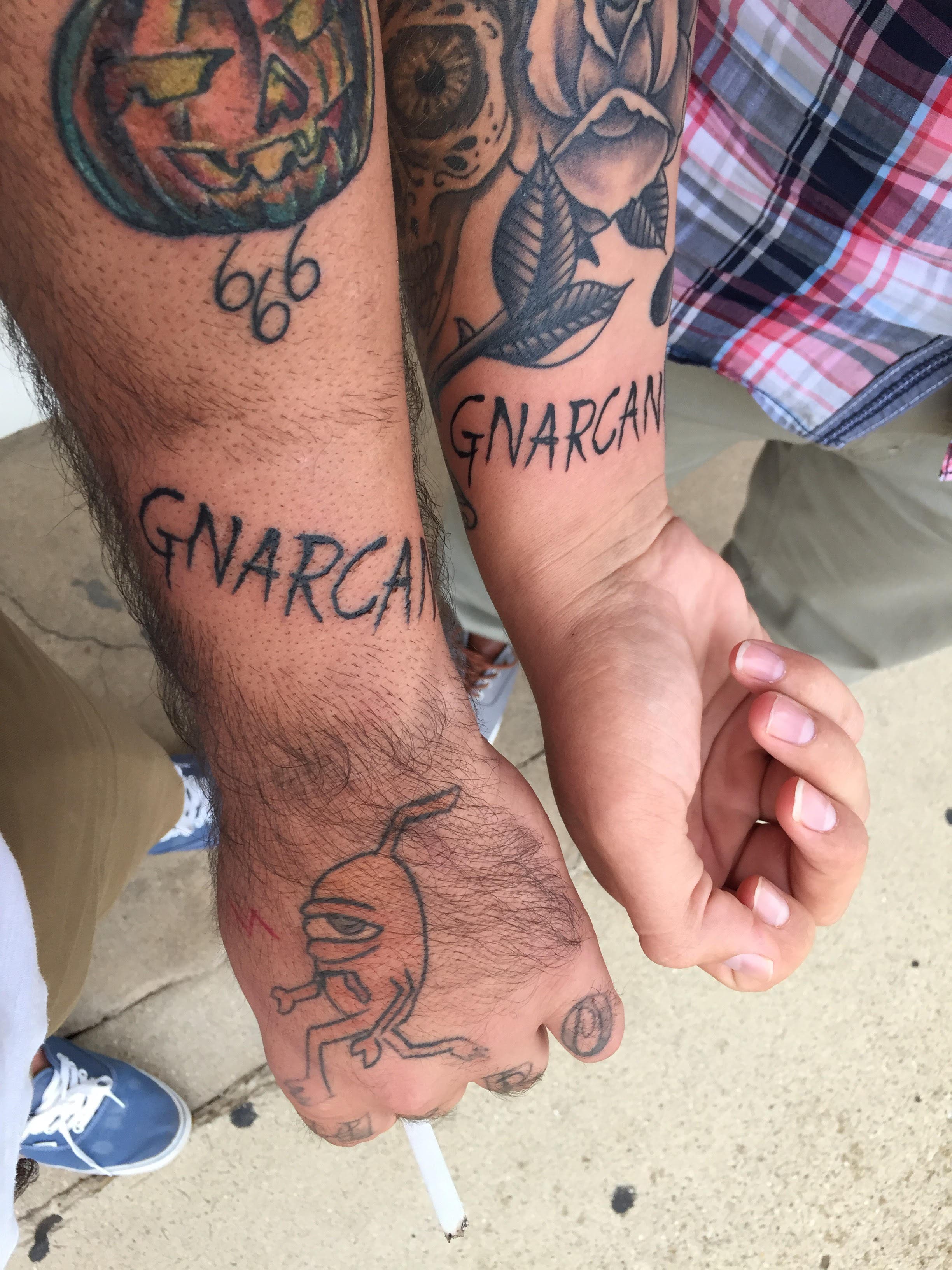
“In the past week I’ve had five friends that have all died and it’s getting worse,” Horan said. “But if people were with them who had [naloxone], maybe that wouldn’t be the case.”
The Controversy
Not everyone is in favor of naloxone. Some critics believe the drug's increased availability may keep addicts from seeking treatment.
“I think [naloxone] is great for saving lives and I do see people get [naloxoned] and change their lives and get clean,” Scruggs said. “But, I also see people who use it as a magic wand and they don’t feel the need to get clean. I can see [naloxone] causing problems in the long run if it is continued to be used like this.”
Matthew McMurray, associate professor of psychology at Miami University who researches addiction, disagreed.
“Life is sacred, we should be saving it at every opportunity that we can. We don't know what the future holds for these individuals even though they're addicts,” McMurray said. "If administering Narcan saves their life then that gives them the option to go get treatment, it doesn't mean they do [get treatment], but it gives them the potential to recover and become productive members of society."
Moving Forward
Although Fening said the response team may not experience 100 percent success, she is still hopeful about the police department's new approach.
“A [quick response] team is needed because nothing any agency has done is working. Arresting doesn’t seem to be working for us and other agencies are having some measure of success with helping people get into treatment.” Fening said.
“What we’ve been doing hasn’t worked up till this point,'' she added. "So why not try something new?
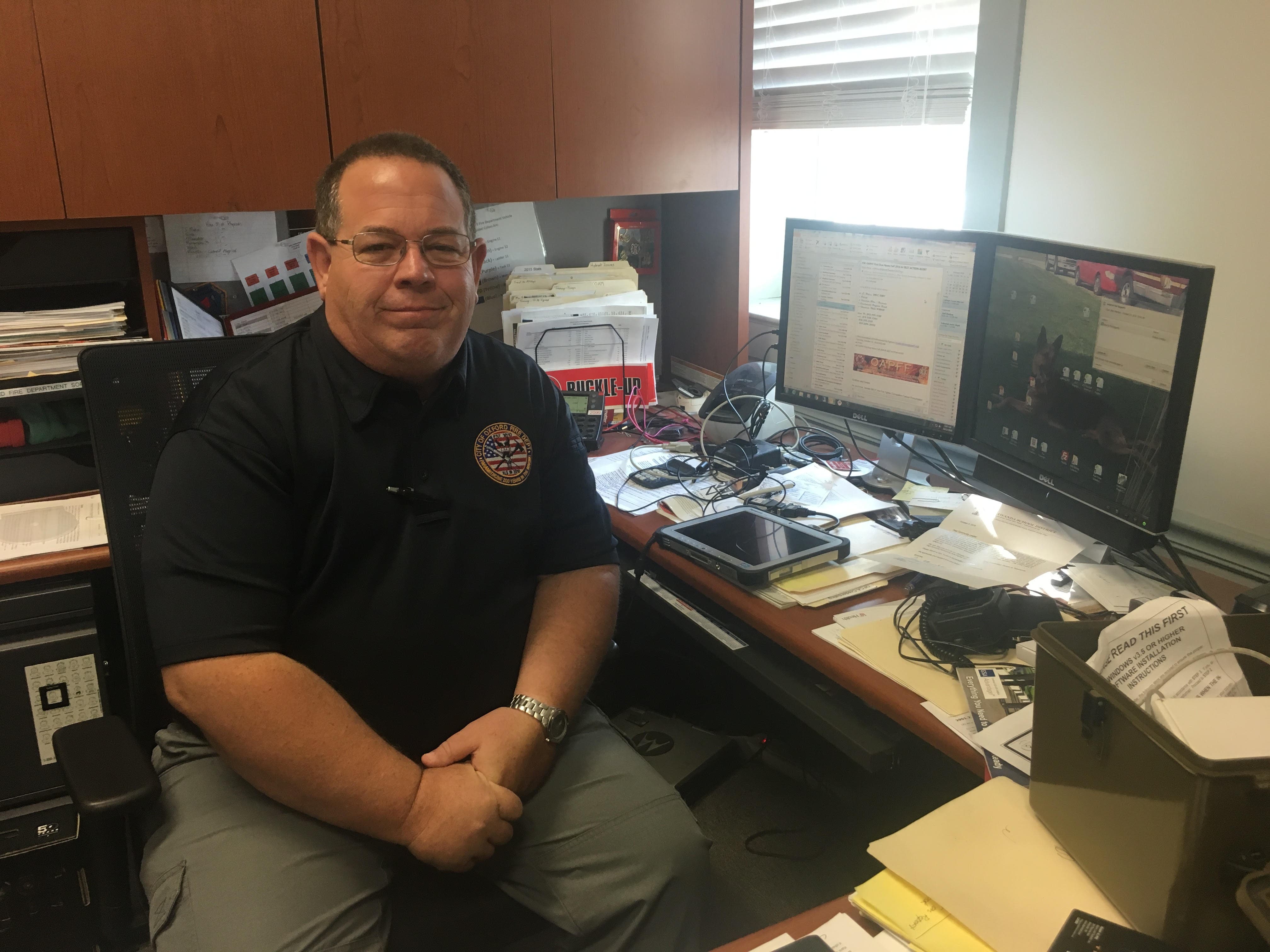
Photo: Lieutenant Lara Fening leads the quick response team effort. The team reconnects with overdose victims after they have been brought back by naloxone, an opiate overdose reversal drug.