Community Corner
‘Start Here If You Don’t Know Where To Go'
Miami's Student Success Center is working to increase retention rates by connecting students to resources.

BY CARLEIGH TURNER
Miami University Journalism Student
College can overwhelming. Students are expected to balance academics, social lives and sometimes even side jobs and athletics.
And some students have even more to worry about.
Find out what's happening in Oxford-Miami Universityfor free with the latest updates from Patch.
Food insecurity, financial instability, dependent children and homelessness are all issues that a population of Miami University students face during their time at the university.
Last year, Miami reacted to that reality, creating the Student Success Center (SSC) to increase retention and graduation rates and serve as an advocate for students struggling to navigate the university due to complex life circumstances. It is located in 119 Campus Avenue Building.
Find out what's happening in Oxford-Miami Universityfor free with the latest updates from Patch.
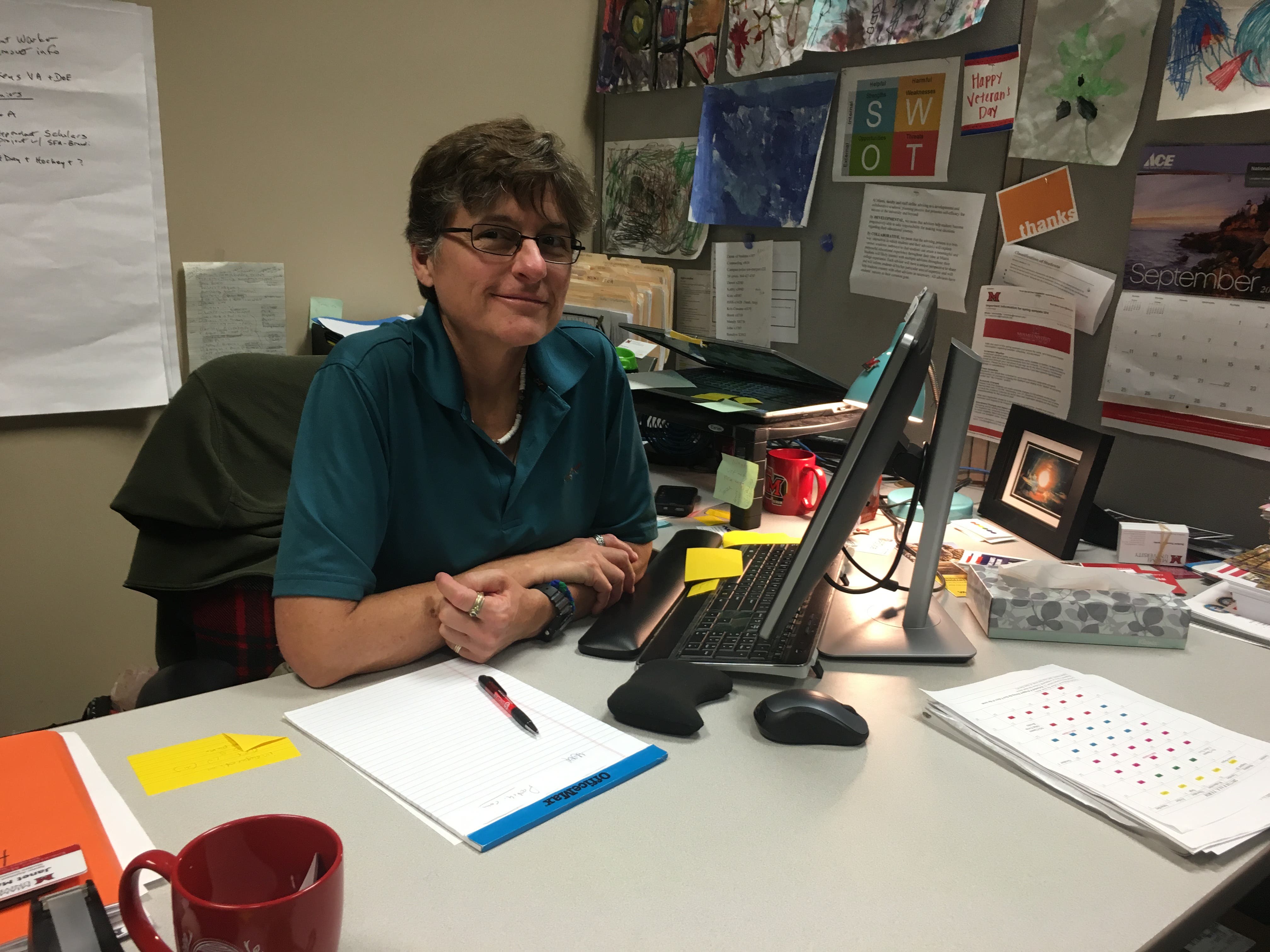
“When you look at a student who is in the classroom, there’s the academic challenge that you necessarily should have in college, that’s why you’re here. But there’s all that other stuff that’s around them that might be affecting their academics,” said Janet Mallen, senior assistant director of the SSC. “If you’re sitting in a classroom and you’re hungry, then that’s going to be a little difficult.”
'Institutional switchboard'
SSC Director Kim Ernsting said students may have to visit multiple offices in Miami to get an issue resolved, and some may not even know what resources are available to them. The SSC acts as an institutional switchboard, guiding students to resources they need and keeping in touch with them until the issue has been resolved.
“We want this to be a place where you can come back,” Ernsting said. “We want to be a checkpoint for students.”
Senior javelin thrower, Tessa Brooks, said she thinks the center is a great idea.
“It’s a good resource for students who are in need of some direction,” Brooks said.
Of the undergraduate degree-seeking students who entered the school as freshmen in the fall of 2014, 90.3 percent returned for official enrollment in fall 2015, according to Miami data.
In an effort to increase those numbers, the SCS has instituted a process for students who are planning to withdraw during or after the semester from Miami and give them an exit interview of sorts.
“What we are trying to do is ask ‘Is there anything we could do to help you stay?’ ” Ernsting said. “We want to try and make sure that you can leave well, so if you choose to return it’s easy.”
This process has allowed the SSC to gather a year’s worth of data about why students are choosing to leave Miami, as well as analyze trends, to see if any changes need to be made to keep students at the university.
Retention is goal
The SSC is currently analyzing the data.
“We are trying to pay attention to what the students are experiencing along the way,” Ernsting said. “With the goal of finding out, when possible, can we make it better. So that it enables students to stay here and graduate.”
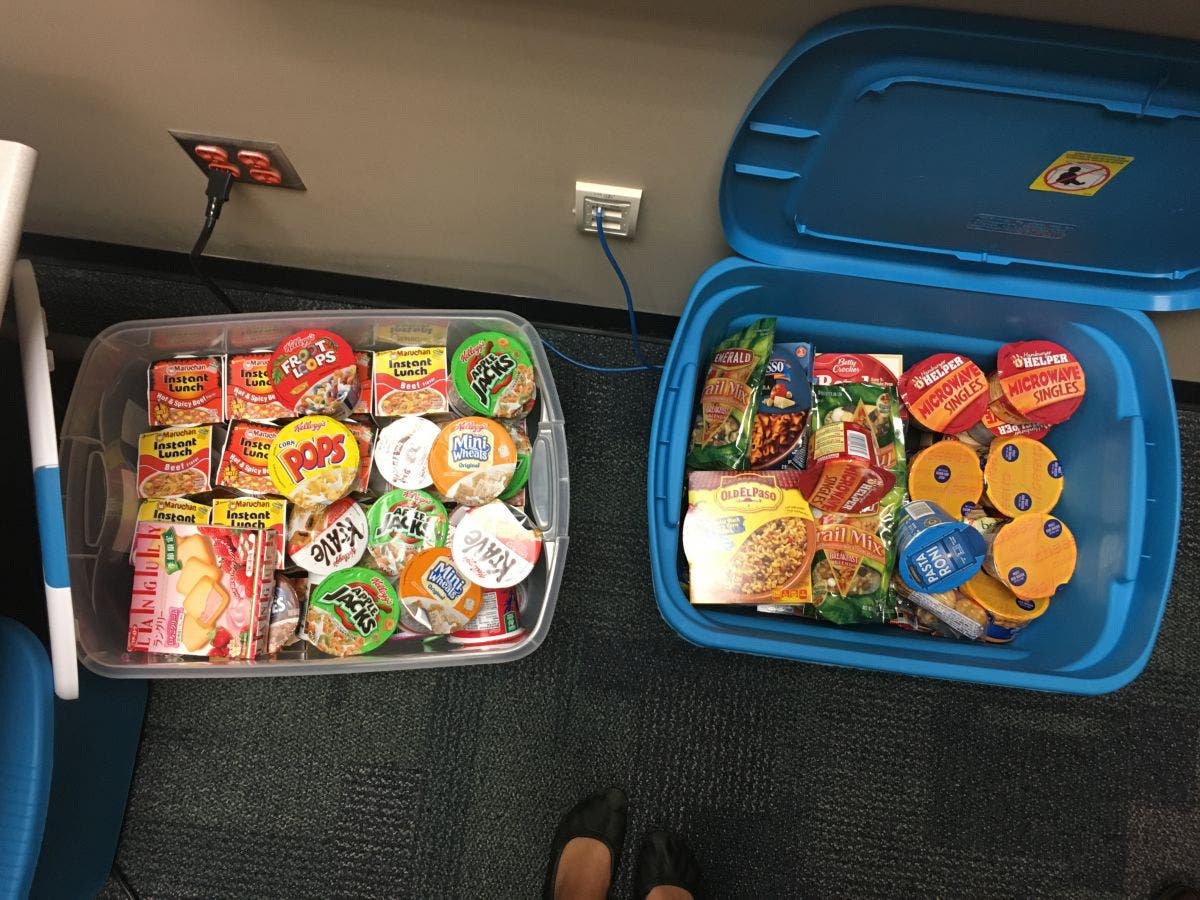
As part of its mission to keep students enrolled at Miami, the SSC has also instituted a food pantry for students with immediate food needs.
The food pantry, created by Miami’s Summer Scholars students who money left over from their food allotments to good use, is located in Mallen’s office.
Mallen said there is a need for the food pantry, even though the number of students with food insecurity is not large.
“One of the questions I ask students regularly is, ‘Have you eaten today?’ ‘Do you have food?’ ” Mallen said.
Local pantry can help
While the SSC food pantry can solve students immediate need for food, the program would direct those with long-term food insecurity issues to resources such as the Oxford Community Choice pantry, Mallen said. That group currently serves about 300 families in the Talawanda school district, according to its website.
Local churches also provide free dinners on Wednesday nights, for anyone in the community, no questions asked, Mallen said.
Mallen and the SSC are also concerned about students who have dependent children.
“They’re a pretty resilient bunch that I have encountered,” Mallen said. “My concern is with the ones that are feeling overwhelmed and how can I get them at least maybe counseling. Can I get them resources for child care? Do they need to connect to the family resource center in town?”
Children change equation
Mallen noted that students with children typically present with a multitude of complex issues, such as housing insecurity, GPA issues and struggles to graduate on time. While many such students can figure out such challenges, some seek assistance.
“When it gets to be overwhelming, I hope they can get connected to resources and if I am one of those resource hubs for them, great,” Mallen said.
Although helping these populations of students is incredibly important to the SSC, the center is available for any student in need of getting in touch with resources on and off campus, to make their time at Miami better.
“People ask us all the time what kind of people we see here,” Mallen said. “We see them all. There’s no one story.”
Photo: Miami's Student Success Center maintains a small food pantry in its offices. -- Photo by Carleigh Turner