Neighbor News
Working Past Obstacles During Oxford-Butler County Dispatch Merger
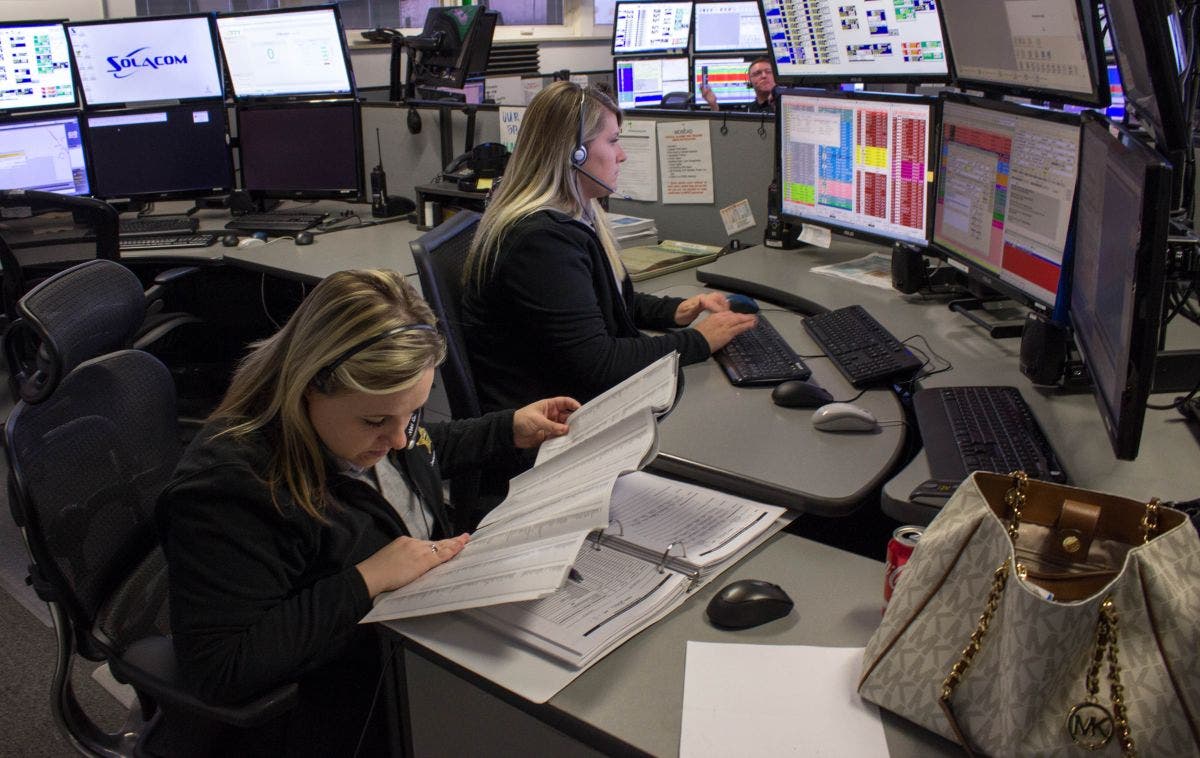
After a change at the state level, OPD merged its dispatch with the Butler County Sheriff's.
By Tyler Pistor
Miami University journalism student
When you dial 9-1-1, your call isn’t always going where you expect it to go.
Find out what's happening in Oxford-Miami Universityfor free with the latest updates from Patch.
"In January 2016, Butler County began receiving all of Oxford’s 9-1-1 calls," says Oxford Police Chief John Jones.
With 9-1-1 calls being taken outside of Oxford, residents don’t experience the familiarity that a local dispatch offers, which is one of several obstacles that both Oxford and Butler County have had to work through.
Find out what's happening in Oxford-Miami Universityfor free with the latest updates from Patch.
"For those folks who have regularly used or regularly deal with dispatch, it may seem a little bit different because they’re talking to someone from the sheriff’s office down in Hamilton versus a person here in Oxford," says Jones.
Another obstacle that Oxford and Butler County face are community relations.
"There are many citizens who just have a greater sense of community when they call their local police department and they talk to that local dispatcher," Jones says.
Response time to non-emergency calls can also become an issue with a centralized dispatch office.
"You’re calling a big call center, they’re pending that call -- the dispatcher is busy dispatching police agencies that have a higher priority call first, and then they’ll get to our call and see it, and send it to us, and maybe in that time, that response time has slowed down," Jones says.
Where Are You Calling From?
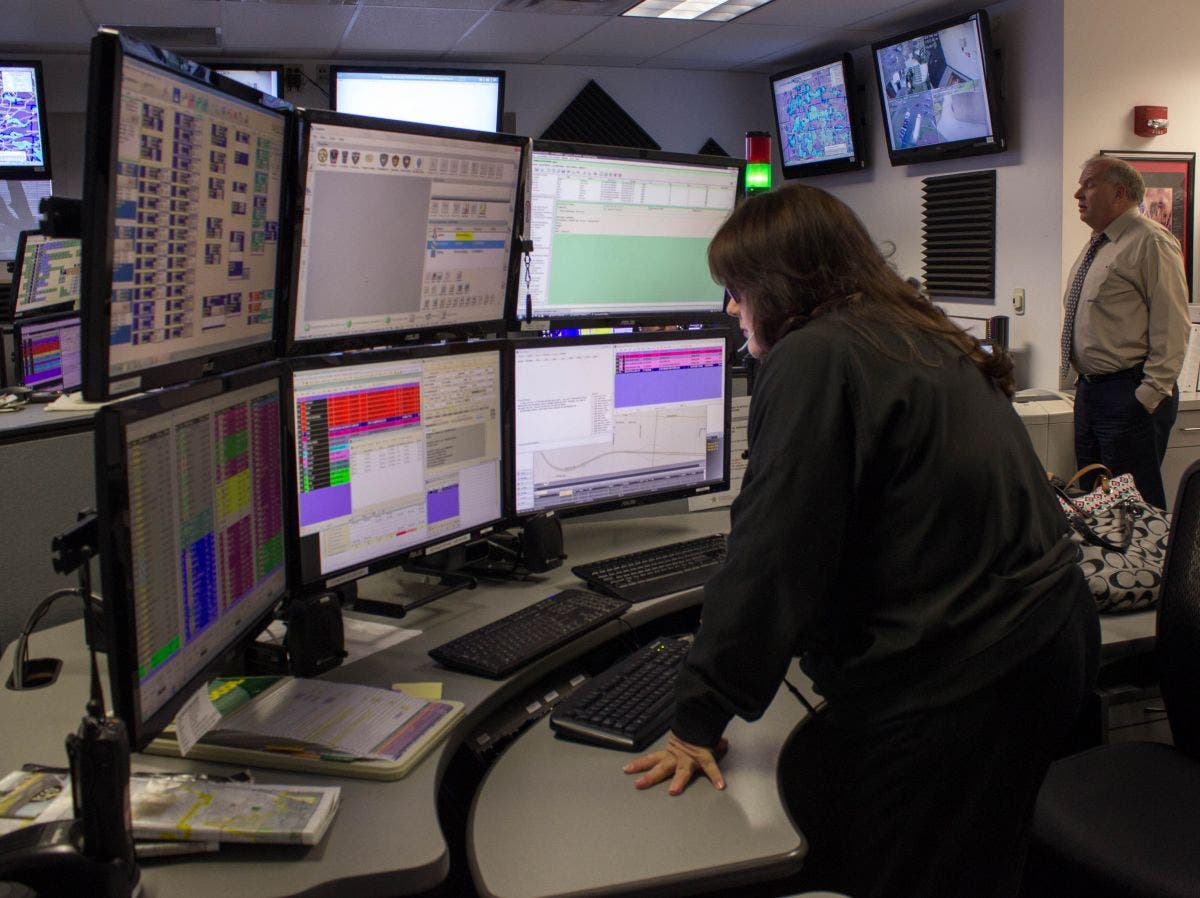
Understanding the geography of the caller’s location is another obstacle that the Butler County dispatch has had to face.
Knowing the location of a caller isn’t as easy as it used to be -- police dispatchers could pinpoint someone’s location with landlines, but now with cellphones, it’s not as easy to track down where a caller is.
"The things that probably work against us most is, number one -- everybody has a cellphone and everybody assumes we know where they are when they call 9-1-1 on their cellphone," says Butler County Captain Matthew Franke. "The fact of the matter is, more often than not, we don’t know your location when you call us on a cellphone."
Oxford police and the Butler County Sheriff's Office say it’s more important than ever for those calling 9-1-1 to understand that dispatchers won’t automatically know where you are.
"The biggest thing I can stress, is just know where you are. That’s the first question we ask—where is your emergency—just know where you’re at," says dispatcher Debbie Rednour.
Language Barriers
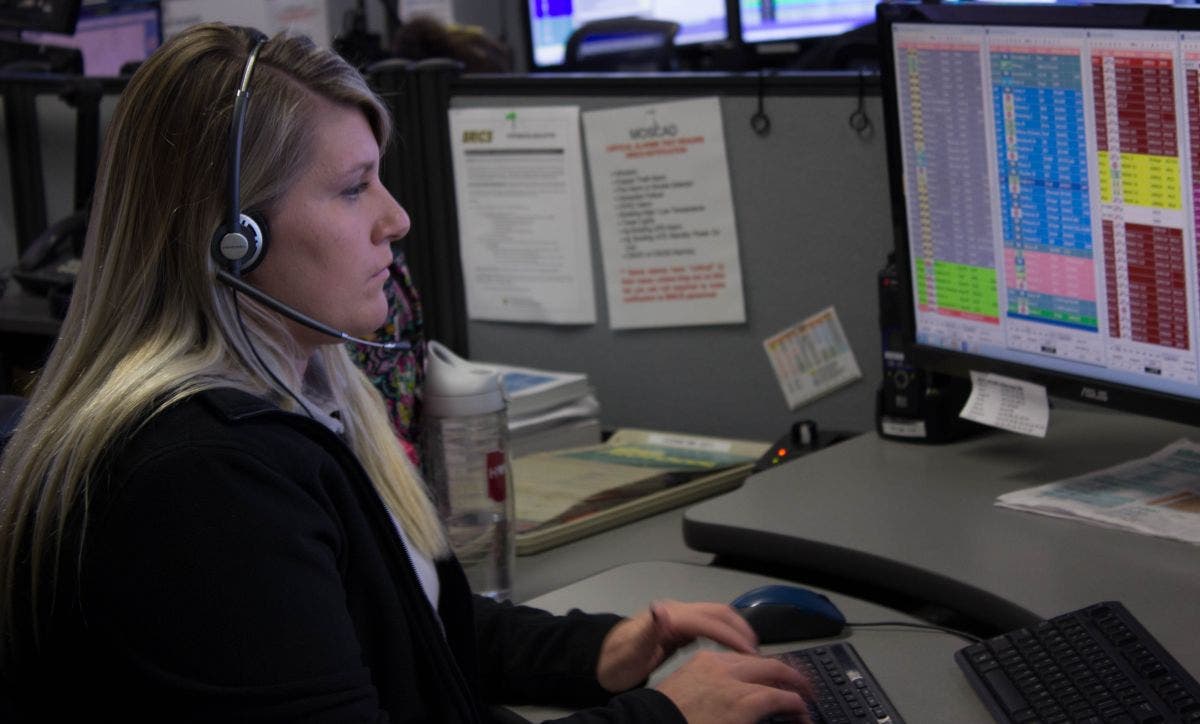
While understanding the geography of Oxford is one obstacle to overcome during the transition with the Butler County dispatch -- the language barrier with international students and residents from Oxford is another issue that dispatchers have to deal with.
"The university community brings a lot of languages, and a lot of English as a second language, which makes it even more difficult because when you learn a foreign language, very rarely do they teach you the kind of things you need to know for a 9-1-1 call," Franke says.
Having mutual understanding of what the caller and dispatcher are saying is key for dispatchers to appropriately respond to an emergency.
"We have a translation line service that we use," says Rednour, which helps them understand what callers are saying if there is a language barrier.
The cultural differences of foreign callers can also cause issues for dispatchers.
"People from other countries have a tendency to describe things or provide directions differently," says Franke.
Franke says that sometimes people provide directions using kilometers instead of miles, which can be confusing for dispatchers since they don’t use the metric system.
Advantages Of The Merger
Despite the obstacles that Oxford and Butler County are working through, there are several advantages to the merging of the dispatch centers.
"Now when you call 9-1-1, there is a larger group of call-takers available to take your call," Jones says.
With a larger amount of dispatchers able to take calls, more urgent calls can be addressed, which means a quicker response time to emergencies.
"The bigger things are where we’re seeing the biggest benefit. I would like to think we would consider it a success, because the true emergencies are handled more effectively," says Franke.
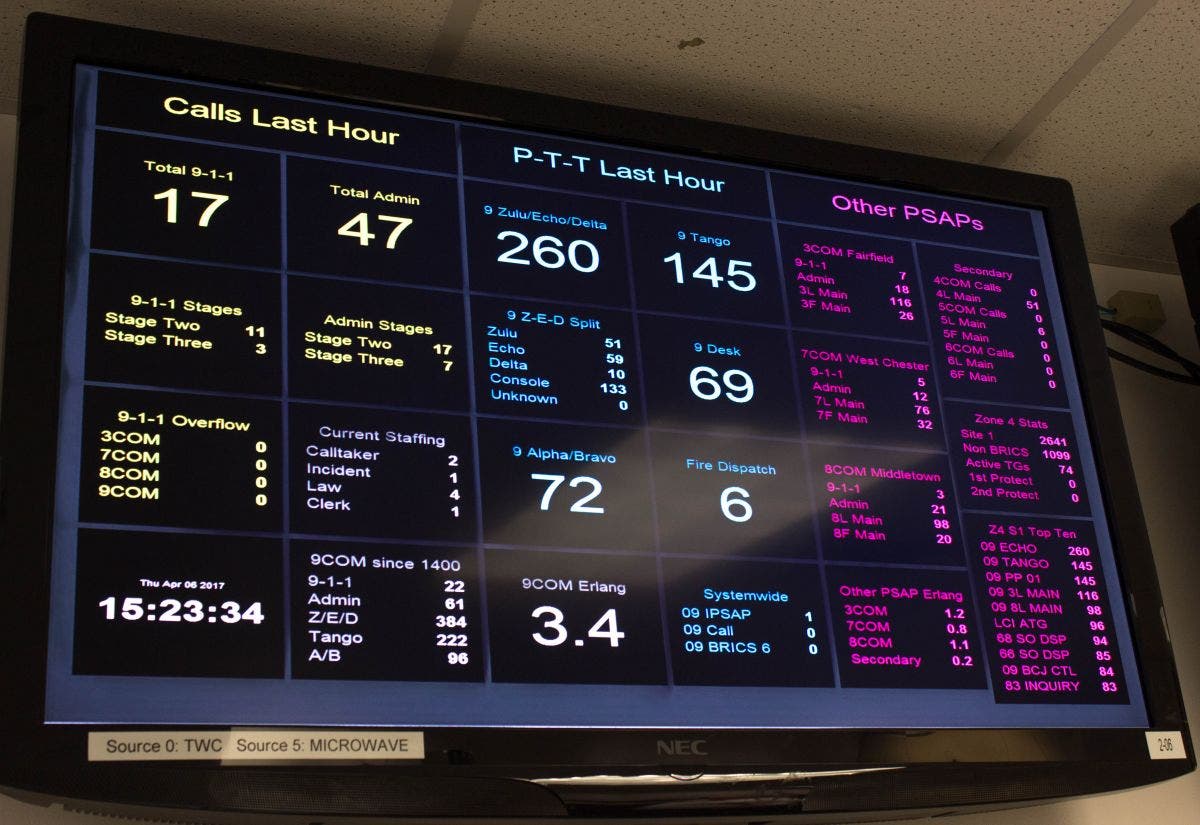
"The other advantage," says Jones, "is that they have training for emergency medical dispatch, so they can stay on the line with the person while someone else is dispatching the ambulance, and they can continue to provide instructions. That’s not to say that we weren’t able to do that when we had our own dispatch center, but they are much more efficient at it and also trained in it."
Why Make The Merge?
Several factors were in play for the decision to merge the Oxford dispatch with Butler County Sheriff's.
"State legislators changed the law, and there was a big push to reduce the number of PSAPs in the county," Jones says.
PSAPs are public safety answering points, which in day-to-day terminology, is a police dispatch center. With the new law in effect, it was up to the Butler County 9-1-1 planning committee to comply with the law or not. Had they not made the decision to merge, they could have lost state funding for the 9-1-1 system.
"Out of the PSAPs in the county, Oxford had the lowest volume of calls, and it looked like the committee was certainly looking at the number of 9-1-1 calls as a deciding factor," Jones says. "So, rather than having that committee force us into some situation that might not have been productive, we said ‘Let’s try to contract with the sheriff’s office to provide this service.'"
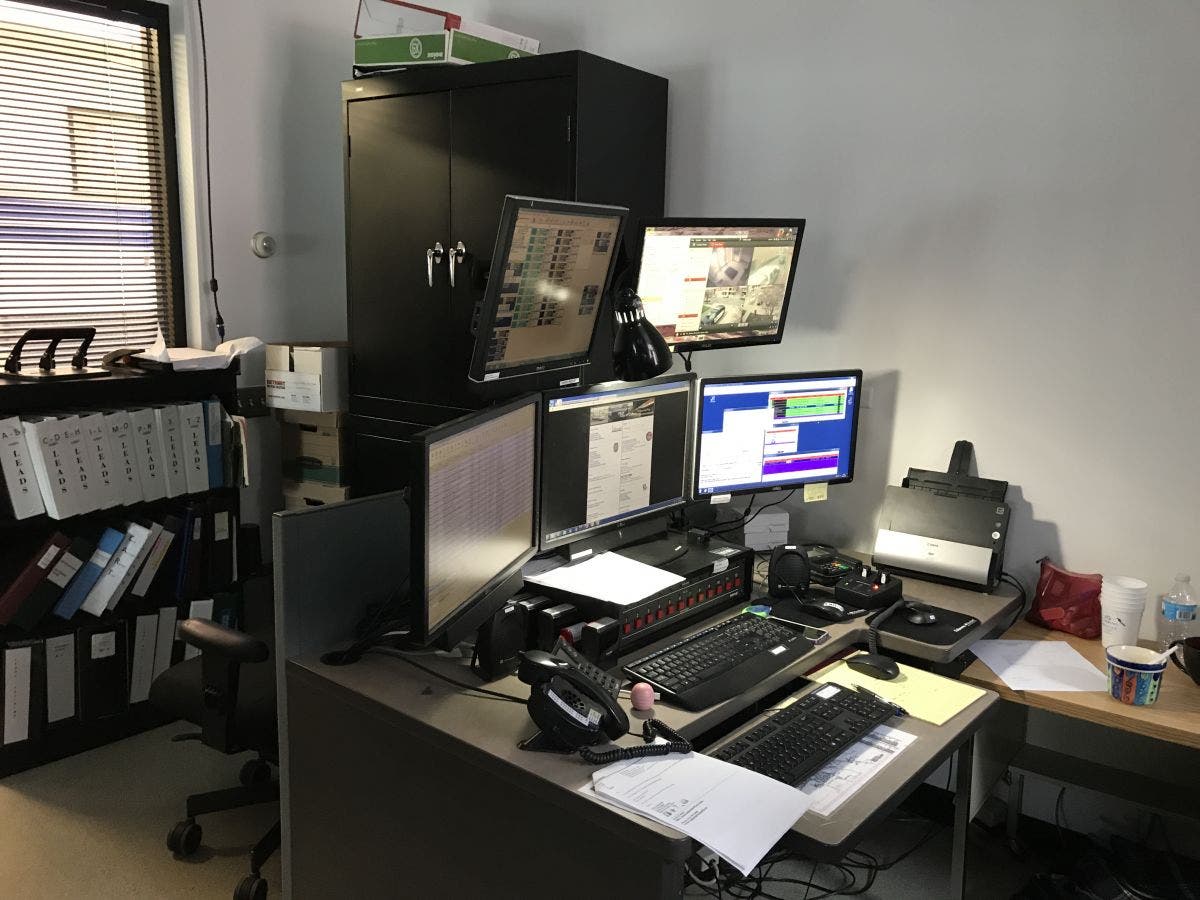
Though Oxford's dispatch center merged with Butler County’s, none of the dispatchers at the Oxford Police Department were laid off.
"We had a few people retire, and we had some people leave for other jobs," says Jones, adding that "we’ve retained six jobs here. What they do now is they’ve improved other areas of operation."
None of the former dispatchers chose to work at the Butler County dispatch. The six who did not retire chose to stay at Oxford and move on to positions with parking enforcement or the records department.
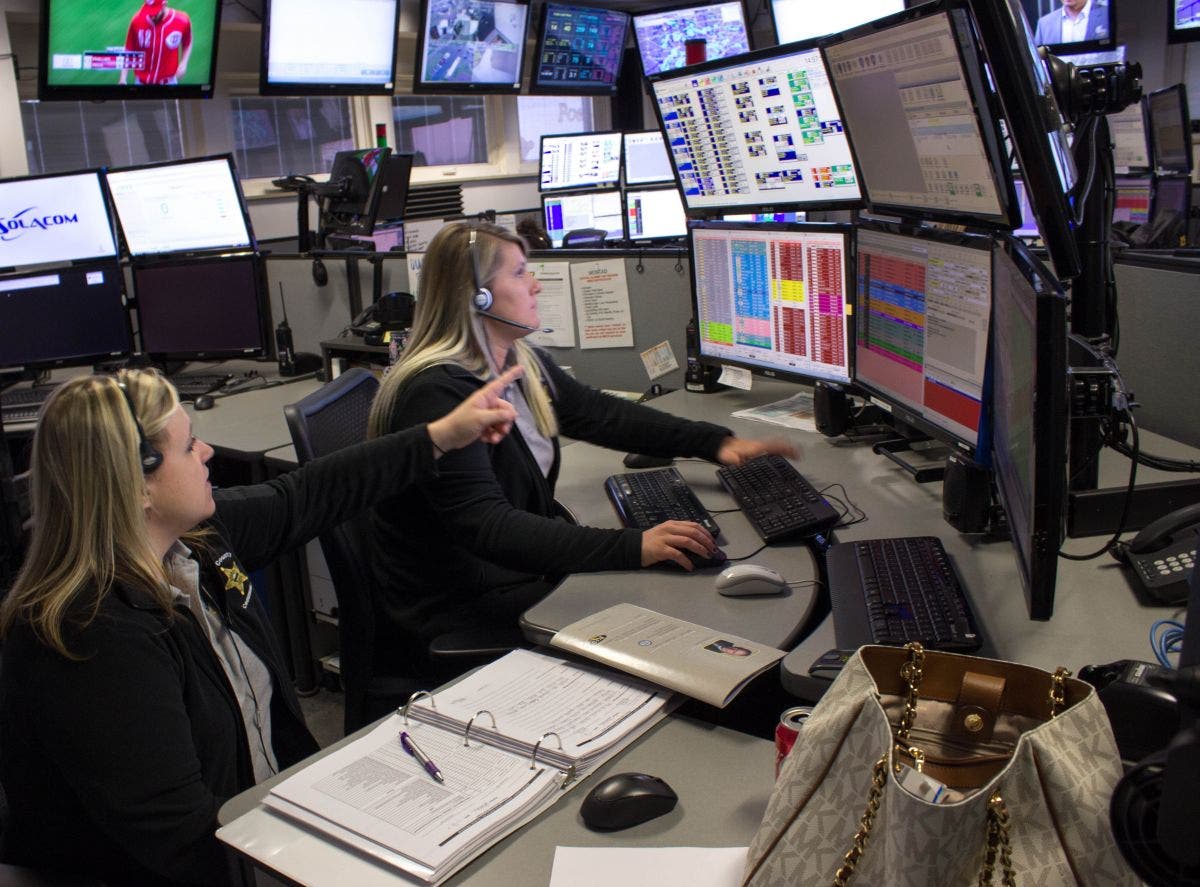
Photo: A dispatcher and a dispatcher-in-training work together to answer calls, one dealing with the call and the other looking at a map to help locate the caller. --Photo by Tyler Pistor