Politics & Government
Change in Cable TV Law Could Cost City Thousands
Time Warner may charge an estimated $70,000 a year to use network


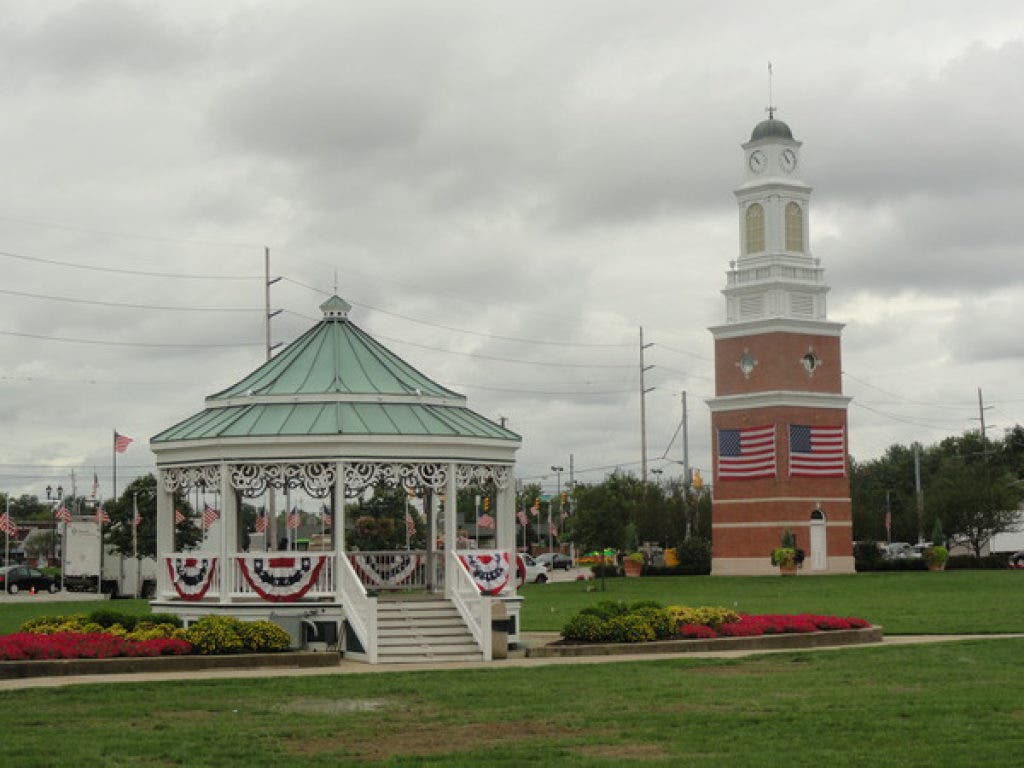
A fiber optic network the city has been using free of charge for the last few decades is now expected to cost $70,000 a year.
Deregulation of the cable TV industry means Time Warner can start charging cities for use of the INet, a fiber optic network in the city's buildings that is used for Internet, phones, data, video surveillance and energy management.
The free use was part of a franchise agreement Strongsville hammered out with the city's previous cable TV providers.
Find out what's happening in Strongsvillefor free with the latest updates from Patch.
But Ohio has since done away with franchise agreements between cities and cable firms.
"One of the casualties of that process is . . . we lose the services they have been providing for us," Law Director Ken Kraus said.
Find out what's happening in Strongsvillefor free with the latest updates from Patch.
Mayor Tom Perciak said he and John Bedford, the city's technology director, testified in Columbus on the issue.
"At the end of the day, they had the votes and it's costing us 70 grand," Perciak said.
Time Warner is poised to begin charging a fee for using the fiber optics to all area cities.
"The provision providing for a complimentary institutional network to the City of Strongsville is expiring," said Travis Reynolds, Time Warner spokesman. "We are currently discussing options with the city to continue the service but we are no longer providing this service at no cost."
Bedford said the city is still in negotiations with Time Warner over the fee, but budgeted for $70,000 based on what the company is charging other cities.
Still, he said Time Warner has been a good business partner and the charge is not excessive.
"AT&T would charge $1 million a year for use of their fiber," Bedford said.
His gripe is with the state for creating a statewide cable franchise.
"The local cities had been doing a fine job meeting the needs of residents and businesses," Bedford said. "Now you're going to have to get the state to iron out your issues."
Reynolds said the company still won't charge schools and safety forces for some of the services that are now free, like basic cable.
"As part of our commitment to the communities we service, we continue to offer complimentary video services to schools, libraries, police stations and fire stations, as well as Internet service to K-12 schools which are passed by our cable system," he said.
Get more local news delivered straight to your inbox. Sign up for free Patch newsletters and alerts.