Politics & Government
City Rebuilds Its Demolition Code
After the closing of the Chrysler plant, Twinsburg officials knew changes to demolition applications needed to be refined


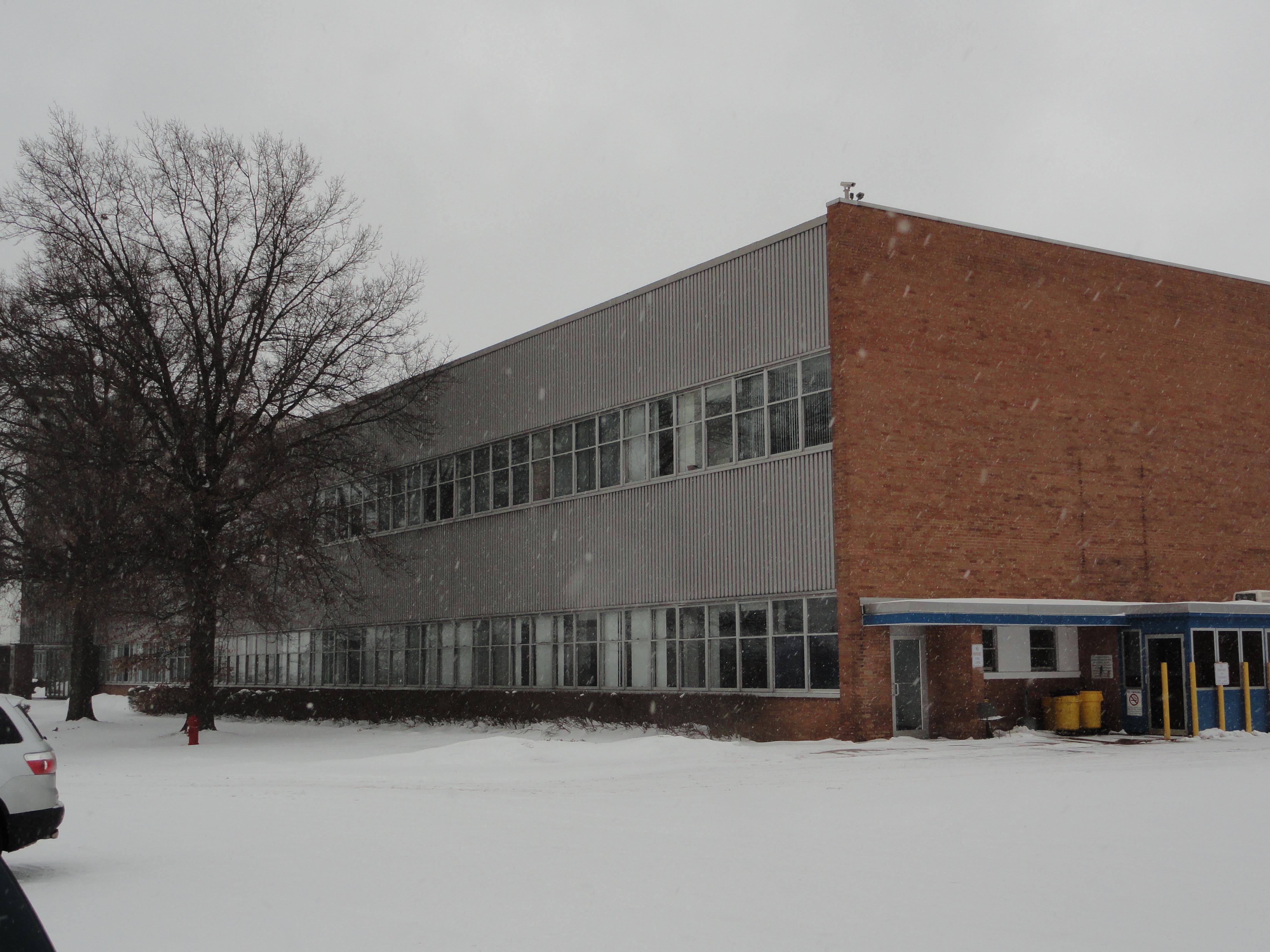
When the Chrysler plant closed last summer, it affected more than the Twinsburg economy.
It also brought to light changes that needed to be made in legislation regarding demolition requirements, said Larry Finch, the director of community and planning development.
“When the Chrysler facility became vacant, that brought some other issues to the table including those that apply specifically to large buildings, and ones that may have asbestos in them,” Finch said. “While we were considering it prior to that, it was the final incentive.”
While there are no plans to demolish the plant, built in 1957, it contains asbestos and other materials that could be harmful to the environment if brought down. That realization prompted the city to look into its 23-year-old permit process.
“We’ve never had a specific fix on the code of building demolition,” Finch said. “There was nothing in that demolition permit application that dealt with any of the environmental requirements. This will make our permit compliant with demolition regulations.”
The new process, unanimously passed by City Council this week, will require applicants to have a detailed site plan with lot lines and utility locations, site restoration plans, measures to protect utilities, and notification of asbestos to be removed according to federal guidelines.
“It’s going to require compliance and notification,” Finch said. “Before we didn’t have those requirements in the permit application process. There was nothing at the local level that said, ‘We’re going to hold you accountable.’ This does.”
These regulations apply to buildings and structures larger than 500 square feet and require a permit fee and a surety bond of $10,000 for areas larger than 5,000 square feet to cover any damage to municipal property such as sidewalks or waterlines. Applicants who comply would get the bond returned.
The permits will expire if work isn’t started within 90 days of application or if not completed in one year, a stipulation Finch said the city will be lenient on.
“As long as there’s progress being made, it won’t cause their permit to expire,” Finch said.
Whether it is a building as expansive as the Chrysler plant or a house down the street, Finch said the demolition process needed to be restricted for the health and safety of residents.
“We need to be able to protect the public’s health, safety and welfare,” Finch said. “Part of that is making sure when the building’s demolished, it’s not releasing asbestos into the atmosphere for the adjacent property owner to breathe in.”
Get more local news delivered straight to your inbox. Sign up for free Patch newsletters and alerts.